







Skip to content

Cart

Your cart is empty

Article: Is Carrot Good for Diabetes?

Carrot Diabetes

Is Carrot Good for Diabetes?

Diabetes is a common health issue in India and around the world, where the body cannot properly control blood sugar levels. This can lead to problems like heart disease, kidney damage, and nerve issues if not managed well. For people with diabetes, choosing the right foods is key to keeping blood sugar stable. 

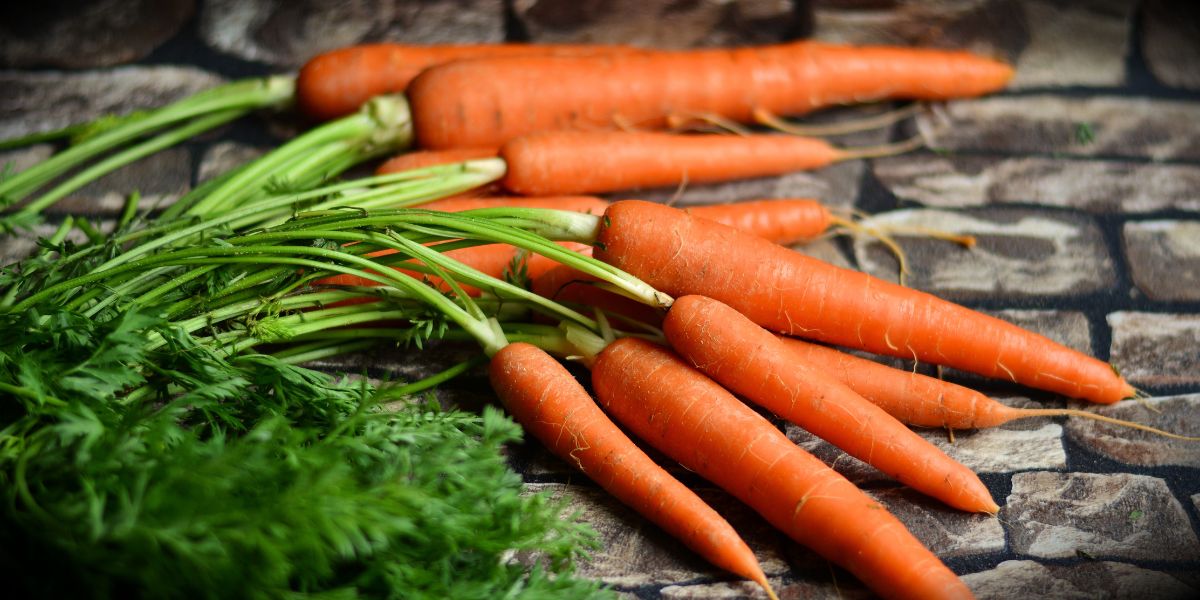
Carrots, a popular root vegetable in Indian diets, are crunchy, sweet, and colourful. They are used in salads, curries, and juices. But with their natural sweetness, many wonder if carrots are safe for diabetes. The good news is that carrots can be a helpful addition to a diabetic diet when eaten in moderation. 

In this article, we will explore how carrots benefit diabetes management, any risks involved, and tips for including them. By the end, you'll know if carrots are a smart choice for your health.

Benefits of Carrots for Diabetes

Carrots are low in calories and packed with nutrients like fibre, vitamins, and antioxidants. A medium carrot has about 25 calories, 6 grams of carbs, and 2 grams of fibre. These qualities make carrots suitable for diabetes. Let's explore the benefits in detail.

1. Low Glycemic Index Helps Steady Blood Sugar

The glycemic index (GI) shows how quickly a food raises blood sugar. Low-GI foods release sugar slowly, preventing spikes that can be harmful for diabetics. Raw carrots have a low GI of around 16-41, while cooked ones are 32-49. This means carrots don't cause rapid blood sugar rises, unlike high-GI foods like white rice (GI 73).

The fibre in carrots slows digestion, trapping sugars and releasing them gradually. This keeps energy levels even and reduces the need for extra insulin. For type 2 diabetes, common in India, stable blood sugar lowers HbA1c levels, a measure of long-term control.

An Indian study from G.B. Pant University of Agriculture and Technology, Pantnagar, tested the GI of carrot-enriched foods like chapati and dalia. Study on Glycemic Indices of Carrot Enriched Food Products. 

Researchers found that chapati with 15% carrot powder had a GI of 53.48, similar to plain chapati (48.37), showing no big increase in blood sugar. Salty dalia with carrot grits had a GI of 49.81, thanks to fibre from carrots and grains. 

The study concluded that adding dehydrated carrots to Indian meals boosts nutrition without harming blood sugar, making it ideal for diabetics.

2. High Fibre Content Aids Digestion and Insulin Sensitivity

Fibre is like a broom for the gut, helping to digest food slowly and controlling blood sugar. Carrots provide soluble fibre (pectin), which forms a gel in the stomach, slowing sugar absorption. One cup of chopped carrots has 3.6 grams of fibre, meeting part of the daily needs (25-30 grams for adults).

This fibre also improves insulin sensitivity, where cells use insulin better to take in sugar. Poor sensitivity leads to high blood sugar in type 2 diabetes. Regular fibre intake can reduce this by 10-20% over time.

In Indian diets, where carbs like roti are common, carrots add fibre to balance meals. A study from the ICAR-Indian Institute of Vegetable Research, Varanasi, looked at black carrots' fibre and phenolics for diabetes.

Anti-diabetic Phenolic Compounds of Black Carrot. Black carrots, grown in India, showed strong anti-diabetic effects in lab tests, with fibre and antioxidants inhibiting enzymes that break down carbs into sugar. This reduced glucose release by up to 60%, suggesting black carrots improve insulin response and gut health for better diabetes control.

3. Antioxidants Fight Oxidative Stress and Complications

Diabetes causes oxidative stress, where free radicals damage cells, leading to complications like eye problems (retinopathy) or heart disease. Carrots are rich in beta-carotene (a form of vitamin A) and other antioxidants, which neutralise free radicals. One carrot provides over 100% of daily vitamin A needs, protecting eyes, a big plus since diabetes affects vision.

Antioxidants also reduce inflammation, linked to insulin resistance. Eating antioxidant-rich foods can lower complication risks by 15-30%.

Black carrots, popular in Indian pickles and juices, have anthocyanins, powerful antioxidants, giving their purple colour. The Varanasi study mentioned above found that these compounds from black carrots had anti-diabetic activity, reducing oxidative stress in diabetes models. The research highlighted how Indian black carrot extracts could prevent cell damage, supporting overall health for diabetics.

4. Supports Weight Management and Heart Health

Many diabetics are overweight, which worsens blood sugar control. Carrots are low-calorie and filling due to water (88%) and fibre, helping with portion control. Eating carrots can aid weight loss, improving insulin use.

Carrots also have potassium (320 mg per carrot), which lowers blood pressure—a common diabetes issue. High blood pressure raises heart disease risk, so this is vital.

A study from the Heliyon journal, involving Indian researchers, developed black carrot-enriched bread. Development and Quality Evaluation of Polyphenols Enriched Black Carrot Bread. The bread had higher antioxidants and fibre, with low GI, helping manage weight and cholesterol in diabetic diets. It showed black carrot addition increased polyphenols by 40%, reducing inflammation and supporting heart health in Indian meal plans.

5. Improves Gut Health and Nutrient Absorption

A healthy gut microbiome helps regulate blood sugar by breaking down food properly. Carrots' fibre acts as a prebiotic, feeding good bacteria and reducing bad ones that cause inflammation.

In India, where gut issues like IBS are common with diabetes, carrots promote balance. Their vitamin K and folate support red blood cell production, preventing anaemia, which is often seen in diabetics.

The Pantnagar study noted that carrot-enriched foods improved nutrient absorption due to fibre, benefiting gut health and steady energy for diabetics.

Risks of Carrot for Diabetes

Carrots are generally safe, but there are some risks to consider.

1. Higher GI When Cooked

Raw carrots have a low GI, but boiling or frying can raise it to 85, causing faster sugar release. Overcooking breaks down fibre, so diabetics should prefer raw or lightly steamed carrots.

2. Natural Sugars in Large Amounts

Carrots have 4-6 grams of sugar per serving. Eating too many (over 2 cups) could add up carbs, affecting blood sugar. Portion control is key; stick to 1/2 to 1 cup daily.

3. Digestive Issues for Some

High fibre can cause bloating or gas if introduced suddenly, especially for those with gut sensitivities. Start small and drink water to ease this.

4. Pesticide Residue

Indian carrots may have pesticides; wash thoroughly or choose organic to avoid toxins that stress the liver, already burdened in diabetes.

5. Interaction with Medications

Carrots' vitamin A is safe, but excess (rare from food) could affect blood thinners. Consult a doctor if on meds.

Including Carrots in Your Diet

Carrots fit easily into Indian meals. Here are ways to add them safely.

  1. Raw in Salads: Grate 1/2 cup carrots into kachumber salad with cucumber and lemon. The raw form keeps GI low; add moong dal for protein.
  2. Lightly Cooked: Steam or stir-fry thinly sliced carrots in sabzi with spices. Avoid deep-frying to preserve fibre. Pair with roti and dal for balance.
  3. Juice or Soup: Blend 1 small carrot with ginger and amla for juice (100 ml max). Dilute to avoid sugar concentration. Try carrot-gajar halwa with less jaggery.
  4. Snacks: Eat carrot sticks with hummus or chaat. For kids or elders, make carrot raita with low-fat curd.
  5. Enriched Recipes: Use carrot powder in chapati or porridge, as per the Pantnagar study, for a nutrition boost.

Tips: Buy fresh, firm carrots; store in fridge up to 2 weeks. Monitor blood sugar after meals. Aim for 1-2 servings daily, combined with exercise.

Conclusion 

Carrots are good for diabetes due to their low GI, fibre, antioxidants, and low calories. They help steady blood sugar, fight complications, and support weight and heart health. Indian studies from Pantnagar and Varanasi confirm carrots, especially black varieties, enhance diabetic diets without spikes. ]

However, cook lightly, watch portions, and wash well to avoid risks. Include carrots in salads, sabzi, or juices for tasty, healthy meals. They're not a cure but a great natural aid. Consult a doctor or dietitian for personalised advice, alongside medicine and lifestyle changes.

References:

1. Study on Glycemic Indices of Carrot Enriched Food Products - Pratibha Singh et al., G.B. Pant University of Agriculture and Technology, Pantnagar, India.

https://www.researchgate.net/publication/322020601_Study_on_glycemic_indices_of_carrot_enriched_food_products

2. Anti-diabetic Phenolic Compounds of Black Carrot - ICAR-Indian Institute of Vegetable Research, Varanasi, India.

https://pubmed.ncbi.nlm.nih.gov/29493459/

3. Development and Quality Evaluation of Polyphenols Enriched Black Carrot Bread - Researchers from India, Heliyon Journal.

https://www.sciencedirect.com/science/article/pii/S240584402401140X

Diabetes is a common health issue in India and around the world, where the body cannot properly control blood sugar levels. This can lead to problems like heart disease, kidney damage, and nerve issues if not managed well. For people with diabetes, choosing the right foods is key to keeping blood sugar stable. 

Carrots, a popular root vegetable in Indian diets, are crunchy, sweet, and colourful. They are used in salads, curries, and juices. But with their natural sweetness, many wonder if carrots are safe for diabetes. The good news is that carrots can be a helpful addition to a diabetic diet when eaten in moderation. 

In this article, we will explore how carrots benefit diabetes management, any risks involved, and tips for including them. By the end, you'll know if carrots are a smart choice for your health.

Benefits of Carrots for Diabetes

Carrots are low in calories and packed with nutrients like fibre, vitamins, and antioxidants. A medium carrot has about 25 calories, 6 grams of carbs, and 2 grams of fibre. These qualities make carrots suitable for diabetes. Let's explore the benefits in detail.

1. Low Glycemic Index Helps Steady Blood Sugar

The glycemic index (GI) shows how quickly a food raises blood sugar. Low-GI foods release sugar slowly, preventing spikes that can be harmful for diabetics. Raw carrots have a low GI of around 16-41, while cooked ones are 32-49. This means carrots don't cause rapid blood sugar rises, unlike high-GI foods like white rice (GI 73).

The fibre in carrots slows digestion, trapping sugars and releasing them gradually. This keeps energy levels even and reduces the need for extra insulin. For type 2 diabetes, common in India, stable blood sugar lowers HbA1c levels, a measure of long-term control.

An Indian study from G.B. Pant University of Agriculture and Technology, Pantnagar, tested the GI of carrot-enriched foods like chapati and dalia. Study on Glycemic Indices of Carrot Enriched Food Products. 

Researchers found that chapati with 15% carrot powder had a GI of 53.48, similar to plain chapati (48.37), showing no big increase in blood sugar. Salty dalia with carrot grits had a GI of 49.81, thanks to fibre from carrots and grains. 

The study concluded that adding dehydrated carrots to Indian meals boosts nutrition without harming blood sugar, making it ideal for diabetics.

2. High Fibre Content Aids Digestion and Insulin Sensitivity

Fibre is like a broom for the gut, helping to digest food slowly and controlling blood sugar. Carrots provide soluble fibre (pectin), which forms a gel in the stomach, slowing sugar absorption. One cup of chopped carrots has 3.6 grams of fibre, meeting part of the daily needs (25-30 grams for adults).

This fibre also improves insulin sensitivity, where cells use insulin better to take in sugar. Poor sensitivity leads to high blood sugar in type 2 diabetes. Regular fibre intake can reduce this by 10-20% over time.

In Indian diets, where carbs like roti are common, carrots add fibre to balance meals. A study from the ICAR-Indian Institute of Vegetable Research, Varanasi, looked at black carrots' fibre and phenolics for diabetes.

Anti-diabetic Phenolic Compounds of Black Carrot. Black carrots, grown in India, showed strong anti-diabetic effects in lab tests, with fibre and antioxidants inhibiting enzymes that break down carbs into sugar. This reduced glucose release by up to 60%, suggesting black carrots improve insulin response and gut health for better diabetes control.

3. Antioxidants Fight Oxidative Stress and Complications

Diabetes causes oxidative stress, where free radicals damage cells, leading to complications like eye problems (retinopathy) or heart disease. Carrots are rich in beta-carotene (a form of vitamin A) and other antioxidants, which neutralise free radicals. One carrot provides over 100% of daily vitamin A needs, protecting eyes, a big plus since diabetes affects vision.

Antioxidants also reduce inflammation, linked to insulin resistance. Eating antioxidant-rich foods can lower complication risks by 15-30%.

Black carrots, popular in Indian pickles and juices, have anthocyanins, powerful antioxidants, giving their purple colour. The Varanasi study mentioned above found that these compounds from black carrots had anti-diabetic activity, reducing oxidative stress in diabetes models. The research highlighted how Indian black carrot extracts could prevent cell damage, supporting overall health for diabetics.

4. Supports Weight Management and Heart Health

Many diabetics are overweight, which worsens blood sugar control. Carrots are low-calorie and filling due to water (88%) and fibre, helping with portion control. Eating carrots can aid weight loss, improving insulin use.

Carrots also have potassium (320 mg per carrot), which lowers blood pressure—a common diabetes issue. High blood pressure raises heart disease risk, so this is vital.

A study from the Heliyon journal, involving Indian researchers, developed black carrot-enriched bread. Development and Quality Evaluation of Polyphenols Enriched Black Carrot Bread. The bread had higher antioxidants and fibre, with low GI, helping manage weight and cholesterol in diabetic diets. It showed black carrot addition increased polyphenols by 40%, reducing inflammation and supporting heart health in Indian meal plans.

5. Improves Gut Health and Nutrient Absorption

A healthy gut microbiome helps regulate blood sugar by breaking down food properly. Carrots' fibre acts as a prebiotic, feeding good bacteria and reducing bad ones that cause inflammation.

In India, where gut issues like IBS are common with diabetes, carrots promote balance. Their vitamin K and folate support red blood cell production, preventing anaemia, which is often seen in diabetics.

The Pantnagar study noted that carrot-enriched foods improved nutrient absorption due to fibre, benefiting gut health and steady energy for diabetics.

Risks of Carrot for Diabetes

Carrots are generally safe, but there are some risks to consider.

1. Higher GI When Cooked

Raw carrots have a low GI, but boiling or frying can raise it to 85, causing faster sugar release. Overcooking breaks down fibre, so diabetics should prefer raw or lightly steamed carrots.

2. Natural Sugars in Large Amounts

Carrots have 4-6 grams of sugar per serving. Eating too many (over 2 cups) could add up carbs, affecting blood sugar. Portion control is key; stick to 1/2 to 1 cup daily.

3. Digestive Issues for Some

High fibre can cause bloating or gas if introduced suddenly, especially for those with gut sensitivities. Start small and drink water to ease this.

4. Pesticide Residue

Indian carrots may have pesticides; wash thoroughly or choose organic to avoid toxins that stress the liver, already burdened in diabetes.

5. Interaction with Medications

Carrots' vitamin A is safe, but excess (rare from food) could affect blood thinners. Consult a doctor if on meds.

Including Carrots in Your Diet

Carrots fit easily into Indian meals. Here are ways to add them safely.

  1. Raw in Salads: Grate 1/2 cup carrots into kachumber salad with cucumber and lemon. The raw form keeps GI low; add moong dal for protein.
  2. Lightly Cooked: Steam or stir-fry thinly sliced carrots in sabzi with spices. Avoid deep-frying to preserve fibre. Pair with roti and dal for balance.
  3. Juice or Soup: Blend 1 small carrot with ginger and amla for juice (100 ml max). Dilute to avoid sugar concentration. Try carrot-gajar halwa with less jaggery.
  4. Snacks: Eat carrot sticks with hummus or chaat. For kids or elders, make carrot raita with low-fat curd.
  5. Enriched Recipes: Use carrot powder in chapati or porridge, as per the Pantnagar study, for a nutrition boost.

Tips: Buy fresh, firm carrots; store in fridge up to 2 weeks. Monitor blood sugar after meals. Aim for 1-2 servings daily, combined with exercise.

Conclusion 

Carrots are good for diabetes due to their low GI, fibre, antioxidants, and low calories. They help steady blood sugar, fight complications, and support weight and heart health. Indian studies from Pantnagar and Varanasi confirm carrots, especially black varieties, enhance diabetic diets without spikes. ]

However, cook lightly, watch portions, and wash well to avoid risks. Include carrots in salads, sabzi, or juices for tasty, healthy meals. They're not a cure but a great natural aid. Consult a doctor or dietitian for personalised advice, alongside medicine and lifestyle changes.

References:

1. Study on Glycemic Indices of Carrot Enriched Food Products - Pratibha Singh et al., G.B. Pant University of Agriculture and Technology, Pantnagar, India.

https://www.researchgate.net/publication/322020601_Study_on_glycemic_indices_of_carrot_enriched_food_products

2. Anti-diabetic Phenolic Compounds of Black Carrot - ICAR-Indian Institute of Vegetable Research, Varanasi, India.

https://pubmed.ncbi.nlm.nih.gov/29493459/

3. Development and Quality Evaluation of Polyphenols Enriched Black Carrot Bread - Researchers from India, Heliyon Journal.

https://www.sciencedirect.com/science/article/pii/S240584402401140X

Related Articles

Is Watermelon Good for Diabetes?

Is Watermelon Good for Diabetes?

Diabetes is a condition where the body struggles to control blood sugar levels, leading to high or low blood sugar that can cause serious health problems like heart disease, kidney damage, or nerve...

Read more
Is Guava Good for Diabetes?

Is Guava Good for Diabetes?

Diabetes affects millions in India and worldwide, making it hard for the body to control blood sugar levels. This can lead to problems like heart issues, kidney damage, or poor wound healing if not...

Read more