Diabetes is a common health issue in India and around the world, where the body cannot properly use or produce insulin, leading to high blood sugar levels. This can cause problems like heart disease, kidney damage, and poor wound healing if not managed well.
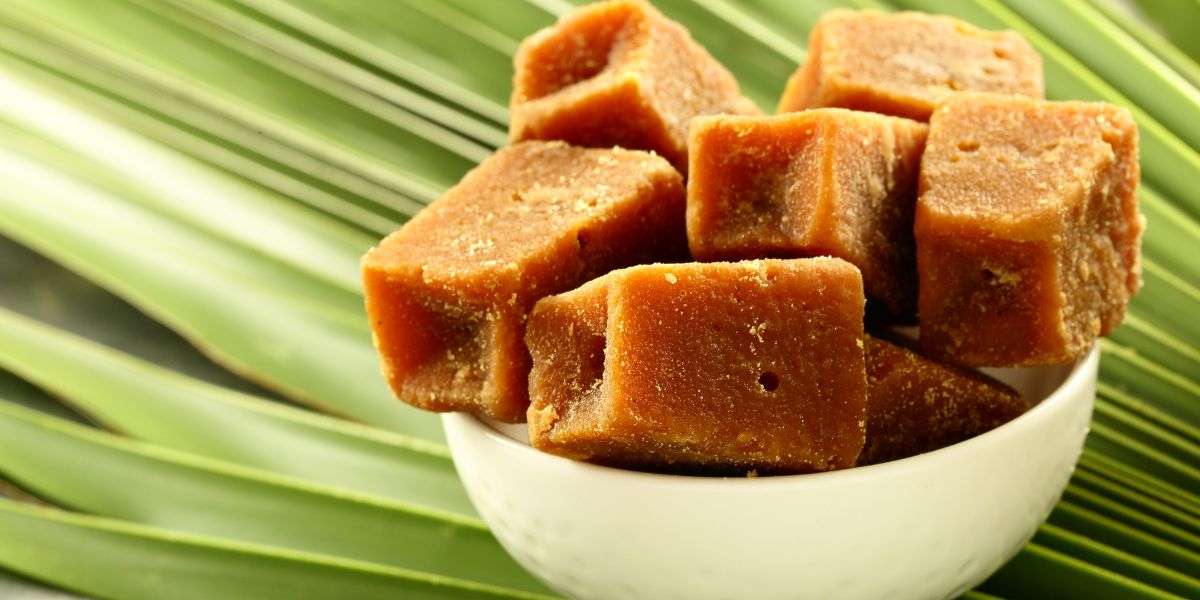
People with diabetes must watch their sugar intake to avoid blood sugar spikes. Jaggery, also known as gur, is a traditional Indian sweetener made by boiling sugarcane juice until it thickens into a solid block. It is unrefined and has a rich, caramel-like taste.
Unlike white sugar, jaggery retains minerals and nutrients from the sugarcane. Many Indians believe jaggery is healthier for diabetes because it is natural. But is jaggery really good for diabetes?
In this article, we will explore its benefits and risks for diabetes, how it affects blood sugar, and ways to use it safely. By the end, you will know if jaggery can be part of a diabetic diet.
What is Jaggery and How Does it Compare to Sugar?
Jaggery is made from fresh sugarcane juice that is filtered and boiled slowly. This process keeps the natural goodness of the plant, like iron, magnesium, potassium, and vitamins. One piece of jaggery (about 10 grams) has around 38 calories, 9 grams of carbs, and small amounts of fibre.
White sugar, on the other hand, is refined and has empty calories with no nutrients. Jaggery has a glycemic index (GI) of about 84, which is higher than sugar's GI of 65. The GI tells how fast a food raises blood sugar. A high GI means quick spikes, which is bad for diabetes.
However, jaggery's fibre and minerals may slow down sugar absorption a bit. In India, jaggery is used in sweets, tea, and rotis, especially during winter for warmth and energy. But for diabetics, the key is moderation because it is still mostly sugar (sucrose).
An Indian study from Banaras Hindu University explains why jaggery might be better than sugar. The benefit of Indian jaggery over sugar on human health. Researchers found that jaggery digests more slowly due to longer sucrose chains and minerals, releasing energy gradually.
This could mean less sudden blood sugar rises compared to refined sugar, which links to insulin resistance and type 2 diabetes. The study notes that Indians have higher insulin resistance, so jaggery's nutrients like iron and potassium may help overall health, but it warns against excess use.
Benefits of Jaggery for Diabetes
Jaggery has some potential benefits for people with diabetes because of its natural composition. Let's explain each one in detail.
1. Rich in Minerals and Antioxidants
Jaggery contains iron (11 mg per 100 grams), which helps prevent anaemia, common in diabetics due to kidney issues. It also has magnesium and potassium, which support heart health, which is essential since diabetes raises heart disease risk. Antioxidants in jaggery fight free radicals, reducing oxidative stress that worsens diabetes complications like nerve damage.
The same Banaras Hindu University study highlights jaggery's vitamins (like vitamin C and E) that boost immunity and detoxify the body. For diabetics, this could mean better resistance to infections. The researchers point out that jaggery's mineral salts cleanse the lungs and stomach, potentially helping with respiratory issues linked to diabetes.
2. Slower Digestion and Energy Release
Unlike refined sugar, jaggery has some fibre and unrefined carbs that slow digestion. This gradual release of sugar into the blood may prevent sharp spikes. A small amount can provide steady energy without crashing blood sugar later.
A study by Indian researchers on replacing sugar with jaggery in food shows this benefit. Effect of replacement of sugar with jaggery on pasting properties of wheat flour. Authors Archana G. Lamdande and team from Indian institutions found that jaggery increases pasting temperature in dough, meaning it thickens more slowly, mimicking slower digestion in the body.
They note jaggery is called "medicinal sugar" in Ayurveda and releases energy slowly due to fibre, which could be helpful for blood sugar control in diabetics. The study also mentions jaggery's iron content aids health, though it doesn't test on diabetics directly.
3. Lower Risk in Traditional Diets
In areas of India where jaggery is used instead of white sugar, diabetes rates may be lower. This is because jaggery is part of balanced diets with whole grains and veggies.
An ongoing Indian clinical trial supports exploring jaggery's GI. Comparative Evaluation of Glycemic Index of Different Types of Jaggery. Sponsored by Apollo Hospitals in Chennai, India, this study measures how different jaggery types (sugarcane, palm) affect blood sugar in healthy and diabetic volunteers.
Early details suggest some jaggery varieties have moderate GI, potentially better than sugar for slow sugar release. The trial aims to find if jaggery can be a safe substitute, testing 50 participants over meals with jaggery. This could provide evidence for diabetics in India, where jaggery is cultural.
4. Improves Digestion and Gut Health
Jaggery acts as a mild laxative, helping digestion, which is often poor in diabetics due to high blood sugar. It's probiotics from fermentation in some types that support gut bacteria, reducing inflammation that affects insulin sensitivity.
The Banaras study mentions jaggery cleanses the intestines, preventing constipation common in diabetes.
5. Boosts Metabolism
Potassium in jaggery helps control blood pressure, a key diabetes complication. Iron improves oxygen flow, aiding exercise tolerance for weight management.
Overall, these benefits make jaggery appealing, but only in small amounts.
Risks of Jaggery for Diabetes
Jaggery is not a free pass for diabetics. Here are the risks, explained point by point.
1. High Glycemic Index
Jaggery's GI of 84 means it raises blood sugar quickly, similar to or worse than sugar. For type 2 diabetics, this can lead to poor HbA1c control.
The Apollo Hospitals trial will confirm GI variations, but current data show high GI risk spikes.
2. High Calorie and Carb Content
10 grams of jaggery have 9 grams of carbs, the same as sugar. Excess can cause weight gain and worsening insulin resistance. Diabetics need to limit to 1-2 teaspoons daily.
3. Not a Low-Sugar Alternative
Jaggery is 70% sucrose, so it's still sugar. Myths say it's "diabetes-friendly," but studies show it's not.
The Indian replacement study notes that jaggery has lower total sugar than refined sugar, but it is still high, and overeating can harm.
4. Contamination and Adulteration
In India, jaggery may have chemicals or impurities from poor processing, affecting health. Diabetics with kidney issues risk mineral overload.
5. Digestive Issues in Excess
Too much jaggery can cause bloating or diarrhoea, stressing the body.
Consult a doctor before using, especially with medications.
Including Jaggery in Your Diet
If your doctor approves, use jaggery sparingly. Here's how, with Indian tips.
Small Portions: Limit to 5-10 grams (1 teaspoon) daily. Add to tea instead of sugar.
In Traditional Foods: Use in besan laddoo with nuts for fibre balance. Or mix in dalia for breakfast.
With Low-GI Foods: Pair with yoghurt or roti to slow absorption. Avoid alone.
Types of Jaggery: Choose organic sugarcane jaggery; palm jaggery may have lower GI per the trial.
Monitor Blood Sugar: Test before and after to see effects.
Store in a cool place; use fresh.
Conclusion
Jaggery offers benefits like minerals, slower energy release, and digestion aid, making it better than white sugar in some ways. Indian studies from Banaras Hindu University and others show its nutritional edge and potential for moderate blood sugar control. The benefit of Indian jaggery over sugar, Sugar replacement with jaggery, Jaggery GI trial.
However, its high GI and carb content pose risks of spikes for diabetics. It's not a cure or safe substitute; use tiny amounts, monitor levels, and pair with healthy foods. In Indian diets, jaggery adds tradition, but the focus is on overall low-carb eating, exercise, and medicine for diabetes management. Talk to a doctor for personal advice.
Diabetes is a common health issue in India and around the world, where the body cannot properly use or produce insulin, leading to high blood sugar levels. This can cause problems like heart disease, kidney damage, and poor wound healing if not managed well.
People with diabetes must watch their sugar intake to avoid blood sugar spikes. Jaggery, also known as gur, is a traditional Indian sweetener made by boiling sugarcane juice until it thickens into a solid block. It is unrefined and has a rich, caramel-like taste.
Unlike white sugar, jaggery retains minerals and nutrients from the sugarcane. Many Indians believe jaggery is healthier for diabetes because it is natural. But is jaggery really good for diabetes?
In this article, we will explore its benefits and risks for diabetes, how it affects blood sugar, and ways to use it safely. By the end, you will know if jaggery can be part of a diabetic diet.
What is Jaggery and How Does it Compare to Sugar?
Jaggery is made from fresh sugarcane juice that is filtered and boiled slowly. This process keeps the natural goodness of the plant, like iron, magnesium, potassium, and vitamins. One piece of jaggery (about 10 grams) has around 38 calories, 9 grams of carbs, and small amounts of fibre.
White sugar, on the other hand, is refined and has empty calories with no nutrients. Jaggery has a glycemic index (GI) of about 84, which is higher than sugar's GI of 65. The GI tells how fast a food raises blood sugar. A high GI means quick spikes, which is bad for diabetes.
However, jaggery's fibre and minerals may slow down sugar absorption a bit. In India, jaggery is used in sweets, tea, and rotis, especially during winter for warmth and energy. But for diabetics, the key is moderation because it is still mostly sugar (sucrose).
An Indian study from Banaras Hindu University explains why jaggery might be better than sugar. The benefit of Indian jaggery over sugar on human health. Researchers found that jaggery digests more slowly due to longer sucrose chains and minerals, releasing energy gradually.
This could mean less sudden blood sugar rises compared to refined sugar, which links to insulin resistance and type 2 diabetes. The study notes that Indians have higher insulin resistance, so jaggery's nutrients like iron and potassium may help overall health, but it warns against excess use.
Benefits of Jaggery for Diabetes
Jaggery has some potential benefits for people with diabetes because of its natural composition. Let's explain each one in detail.
1. Rich in Minerals and Antioxidants
Jaggery contains iron (11 mg per 100 grams), which helps prevent anaemia, common in diabetics due to kidney issues. It also has magnesium and potassium, which support heart health, which is essential since diabetes raises heart disease risk. Antioxidants in jaggery fight free radicals, reducing oxidative stress that worsens diabetes complications like nerve damage.
The same Banaras Hindu University study highlights jaggery's vitamins (like vitamin C and E) that boost immunity and detoxify the body. For diabetics, this could mean better resistance to infections. The researchers point out that jaggery's mineral salts cleanse the lungs and stomach, potentially helping with respiratory issues linked to diabetes.
2. Slower Digestion and Energy Release
Unlike refined sugar, jaggery has some fibre and unrefined carbs that slow digestion. This gradual release of sugar into the blood may prevent sharp spikes. A small amount can provide steady energy without crashing blood sugar later.
A study by Indian researchers on replacing sugar with jaggery in food shows this benefit. Effect of replacement of sugar with jaggery on pasting properties of wheat flour. Authors Archana G. Lamdande and team from Indian institutions found that jaggery increases pasting temperature in dough, meaning it thickens more slowly, mimicking slower digestion in the body.
They note jaggery is called "medicinal sugar" in Ayurveda and releases energy slowly due to fibre, which could be helpful for blood sugar control in diabetics. The study also mentions jaggery's iron content aids health, though it doesn't test on diabetics directly.
3. Lower Risk in Traditional Diets
In areas of India where jaggery is used instead of white sugar, diabetes rates may be lower. This is because jaggery is part of balanced diets with whole grains and veggies.
An ongoing Indian clinical trial supports exploring jaggery's GI. Comparative Evaluation of Glycemic Index of Different Types of Jaggery. Sponsored by Apollo Hospitals in Chennai, India, this study measures how different jaggery types (sugarcane, palm) affect blood sugar in healthy and diabetic volunteers.
Early details suggest some jaggery varieties have moderate GI, potentially better than sugar for slow sugar release. The trial aims to find if jaggery can be a safe substitute, testing 50 participants over meals with jaggery. This could provide evidence for diabetics in India, where jaggery is cultural.
4. Improves Digestion and Gut Health
Jaggery acts as a mild laxative, helping digestion, which is often poor in diabetics due to high blood sugar. It's probiotics from fermentation in some types that support gut bacteria, reducing inflammation that affects insulin sensitivity.
The Banaras study mentions jaggery cleanses the intestines, preventing constipation common in diabetes.
5. Boosts Metabolism
Potassium in jaggery helps control blood pressure, a key diabetes complication. Iron improves oxygen flow, aiding exercise tolerance for weight management.
Overall, these benefits make jaggery appealing, but only in small amounts.
Risks of Jaggery for Diabetes
Jaggery is not a free pass for diabetics. Here are the risks, explained point by point.
1. High Glycemic Index
Jaggery's GI of 84 means it raises blood sugar quickly, similar to or worse than sugar. For type 2 diabetics, this can lead to poor HbA1c control.
The Apollo Hospitals trial will confirm GI variations, but current data show high GI risk spikes.
2. High Calorie and Carb Content
10 grams of jaggery have 9 grams of carbs, the same as sugar. Excess can cause weight gain and worsening insulin resistance. Diabetics need to limit to 1-2 teaspoons daily.
3. Not a Low-Sugar Alternative
Jaggery is 70% sucrose, so it's still sugar. Myths say it's "diabetes-friendly," but studies show it's not.
The Indian replacement study notes that jaggery has lower total sugar than refined sugar, but it is still high, and overeating can harm.
4. Contamination and Adulteration
In India, jaggery may have chemicals or impurities from poor processing, affecting health. Diabetics with kidney issues risk mineral overload.
5. Digestive Issues in Excess
Too much jaggery can cause bloating or diarrhoea, stressing the body.
Consult a doctor before using, especially with medications.
Including Jaggery in Your Diet
If your doctor approves, use jaggery sparingly. Here's how, with Indian tips.
Small Portions: Limit to 5-10 grams (1 teaspoon) daily. Add to tea instead of sugar.
In Traditional Foods: Use in besan laddoo with nuts for fibre balance. Or mix in dalia for breakfast.
With Low-GI Foods: Pair with yoghurt or roti to slow absorption. Avoid alone.
Types of Jaggery: Choose organic sugarcane jaggery; palm jaggery may have lower GI per the trial.
Monitor Blood Sugar: Test before and after to see effects.
Store in a cool place; use fresh.
Conclusion
Jaggery offers benefits like minerals, slower energy release, and digestion aid, making it better than white sugar in some ways. Indian studies from Banaras Hindu University and others show its nutritional edge and potential for moderate blood sugar control. The benefit of Indian jaggery over sugar, Sugar replacement with jaggery, Jaggery GI trial.
However, its high GI and carb content pose risks of spikes for diabetics. It's not a cure or safe substitute; use tiny amounts, monitor levels, and pair with healthy foods. In Indian diets, jaggery adds tradition, but the focus is on overall low-carb eating, exercise, and medicine for diabetes management. Talk to a doctor for personal advice.
Diabetes is a health condition where the body struggles to regulate blood sugar levels, leading to potential highs and lows that can harm the body over time. Managing diabetes requires careful atte...
Diabetes is a condition where the body struggles to control blood sugar levels, leading to high or low blood sugar that can cause serious health problems like heart disease, kidney damage, or nerve...