
















Is Honey Good for Diabetes?
Diabetes is a health condition where the body struggles to regulate blood sugar levels, leading to potential highs and lows that can harm the body over time. Managing diabetes requires careful attention to diet, especially when it comes to sweeteners.
Honey, a natural sweetener widely used in India and around the world, is often considered a healthier alternative to table sugar. But is it safe and beneficial for people with diabetes?
In this article, we’ll explore the benefits, risks, and practical ways to include honey in a diabetes-friendly diet.
Benefits of Honey for Diabetes
Honey is a substance created by bees from the nectar of flowers, and it contains fructose, glucose, water and a little bit of vitamins, minerals, and antioxidants. Although it is a type of sugar, honey possesses distinct characteristics that can be helpful to diabetics, provided it is taken in moderation. These advantages can be divided into pieces.
1. Slower Impact on Blood Sugar
Honey has a lower glycemic index (GI) of about 50 compared to table sugar’s GI of over 80. The GI measures how quickly a food raises blood sugar levels. A lower GI means honey causes a slower, steadier rise in blood sugar, which is better for diabetes management.
This is due to honey’s mix of fructose and glucose, where fructose has a lower GI than the sucrose found in table sugar.
A study from the University of Agricultural Sciences, Bangalore, tested honey’s effect on blood sugar in diabetic rats. The results showed honey caused a milder blood sugar increase compared to table sugar, with a significant difference (p<0.05).
The researchers attributed this to honey’s fructose content and antioxidants, which help regulate glucose release, making it a potential sweetener option for diabetics in small amounts.
2. Antioxidant Power
Natural antioxidants in honey, such as flavonoids and phenolic compounds, fight oxidative stress. During diabetes, oxidative stress arises when the cells are damaged by free radicals, making the body more insulin resistant and exposing it to more complications, such as heart complications or nerve damage. Antioxidants neutralize these harmful molecules to save the body.
Research from Banaras Hindu University, Varanasi, examined the antioxidant properties of Indian honey varieties, such as those from mustard or lychee flowers. The study found that raw honey reduced oxidative stress in diabetic models, potentially lowering complication risks. This makes honey a supportive addition to a diabetic diet when used sparingly.
3. Quick Fix for Low Blood Sugar
Low blood sugar (hypoglycemia) is a concern for people with diabetes, especially those using insulin or certain medications. Honey acts as a fast-acting carbohydrate, quickly raising blood sugar during a hypoglycemic episode.
One tablespoon provides about 17 grams of carbohydrates, enough to boost blood sugar without causing a significant spike.
A study from AIIMS, New Delhi, explored natural sweeteners for managing hypoglycemia in type 1 diabetes. It found that 15 grams of honey raised blood sugar effectively within 15 minutes, similar to glucose tablets.
This is particularly useful in India, where honey is widely available, even in rural areas, making it a practical choice for emergencies.
4. Sweeter Taste, Less Quantity
Honey’s high fructose content makes it sweeter than table sugar, so you can use less to achieve the same sweetness. For example, 1 tablespoon of honey (64 calories, 17 grams carbs) might replace 1.5 tablespoons of table sugar (46 calories, 12 grams carbs per tablespoon). This helps diabetics control portion sizes and reduce overall sugar intake.
5. Gut Health Support
Raw or unprocessed honey contains trace amounts of prebiotics, which feed beneficial gut bacteria. A healthy gut microbiome improves digestion and reduces inflammation, potentially enhancing insulin sensitivity. In India, honey is often used in traditional recipes that support gut health, like fermented drinks or curd-based dishes.
A study from JSS Academy of Higher Education and Research, Mysore, investigated the prebiotic effects of Indian honey. It found that raw honey promoted the growth of beneficial bacteria like Lactobacillus, improving glucose metabolism in diabetic models. This suggests honey could indirectly aid blood sugar control through gut health.
Risks of Honey for Diabetes
Despite its benefits, honey is still a sugar and carries risks for people with diabetes. Here’s a detailed look at what to watch out for.
1. Blood Sugar Spikes
Honey contains 17 grams of carbohydrates per tablespoon, which breaks down into glucose and raises blood sugar. Even with a lower GI, overconsumption can lead to spikes, especially if not paired with other foods.
Diabetics should test their blood sugar after using honey to understand its impact. For instance, 1 teaspoon might be safe, but larger amounts could disrupt control.
2. Higher Calories and Carbs
Compared to table sugar, honey has more calories and carbohydrates: 64 calories and 17 grams of carbs per tablespoon versus 46 calories and 12 grams of carbs for table sugar.
This can contribute to weight gain if not carefully managed, and excess weight worsens insulin resistance in type 2 diabetes.
3. Adulteration Concerns
In India, some commercial honeys are mixed with high-fructose corn syrup or other sugars, increasing their GI and making them less suitable for diabetics. These adulterated products can cause faster blood sugar spikes.
A study from the Indian Institute of Technology, Delhi, analysed commercial honey samples and found that 30% contained added sugars, posing risks for diabetics. Choosing raw or organic honey from trusted sources is crucial to avoid this issue.
4. Limited Nutritional Value
Honey’s nutritional benefits, like antioxidants, are minimal compared to foods like fruits, vegetables, or nuts, which offer similar benefits without the sugar. If you don’t already use honey, there’s no compelling reason to start, as its health advantages are not significant enough to justify adding sugar to a diabetic diet.
5. Allergies and Contamination
Though rare, some people may be allergic to honey or its pollen, experiencing symptoms like itching or swelling. Raw honey can also carry bacteria like Clostridium botulinum, which is risky for those with weakened immune systems, though less so for adults. Pasteurised honey is safer for diabetics with health concerns.
Including Honey in Your Diet
Honey can fit into a diabetes-friendly diet if used thoughtfully. Here are practical ways to incorporate it, tailored for Indian cuisine:
- In Beverages: Add 1 teaspoon of honey to herbal tea, green tea, or warm water with lemon instead of sugar. This adds flavour without overloading carbs. In India, honey is popular in tulsi tea or kadha, traditional drinks that support health.
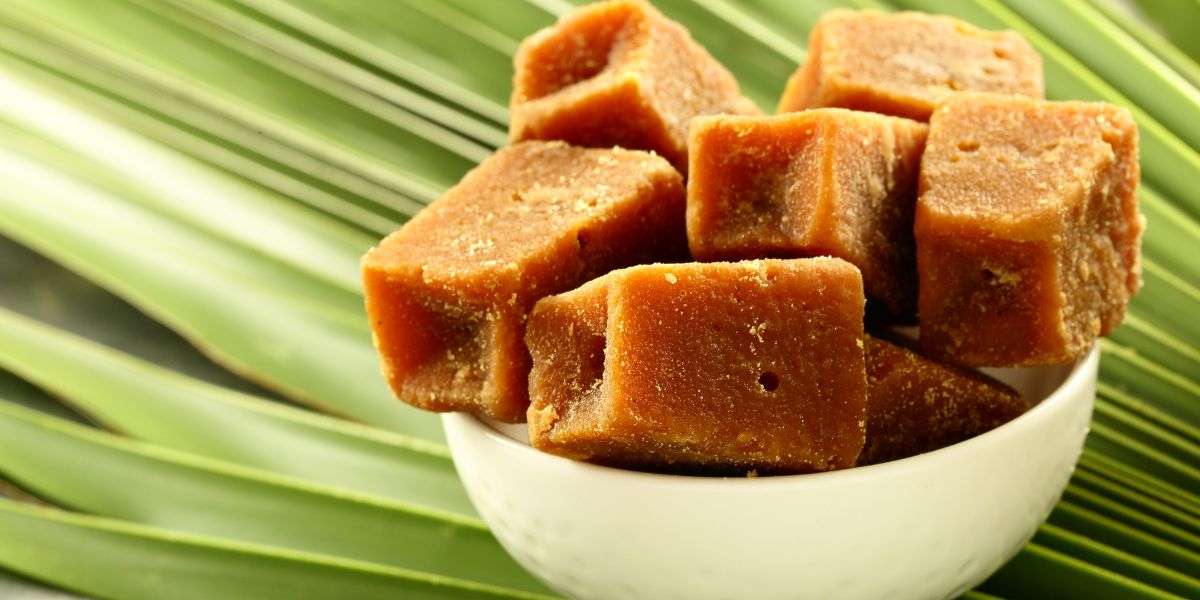
- Cooking or Baking: Use honey sparingly in recipes like whole-grain porridge or baked goods. For example, drizzle a small amount over oats with nuts and seeds for a balanced meal. In Indian cuisine, try a teaspoon of homemade energy laddoos made with nuts and jaggery.
- For Hypoglycemia: Keep a small jar of pure honey for low blood sugar episodes. One tablespoon (15 grams) can quickly raise blood sugar. Pair with a snack like almonds to stabilise levels.
- With Curd: Mix a teaspoon of honey into plain, unsweetened curd for a probiotic-rich snack. This is common in Indian diets and supports gut health while keeping sugar low.
- Choosing Quality Honey: Select raw, unfiltered, or organic honey from trusted brands. In India, opt for honey from mustard, lychee, or forest flowers. Always check labels to avoid adulterated products with added syrups.
Tips for Safe Use:
- Start with 1 teaspoon daily and monitor blood sugar with a glucometer.
- Follow the American Diabetes Association’s advice to spread carb intake evenly throughout the day.
- Pair honey with low-GI foods like whole grains or nuts to minimise blood sugar impact.
- Store honey in a cool, dry place to maintain quality.
Conclusion
Honey can be part of a balanced diet for people with diabetes when used in small amounts. Its lower GI, antioxidant properties, and ability to treat low blood sugar make it a better option than table sugar in some cases. Indian studies from Bangalore, Varanasi, and Mysore support honey’s potential to regulate blood sugar, reduce oxidative stress, and improve gut health.
However, honey is still an added sugar with higher calories and carbs than table sugar, and risks like adulteration require caution.
Use it sparingly, monitor blood sugar, and consult a dietitian to set personalized carb goals. In Indian diets, honey can add flavor to tea, curd, or healthy snacks, but focus on the overall meal’s GI for better diabetes management.
Diabetes is a health condition where the body struggles to regulate blood sugar levels, leading to potential highs and lows that can harm the body over time. Managing diabetes requires careful attention to diet, especially when it comes to sweeteners.
Honey, a natural sweetener widely used in India and around the world, is often considered a healthier alternative to table sugar. But is it safe and beneficial for people with diabetes?
In this article, we’ll explore the benefits, risks, and practical ways to include honey in a diabetes-friendly diet.
Benefits of Honey for Diabetes
Honey is a substance created by bees from the nectar of flowers, and it contains fructose, glucose, water and a little bit of vitamins, minerals, and antioxidants. Although it is a type of sugar, honey possesses distinct characteristics that can be helpful to diabetics, provided it is taken in moderation. These advantages can be divided into pieces.
1. Slower Impact on Blood Sugar
Honey has a lower glycemic index (GI) of about 50 compared to table sugar’s GI of over 80. The GI measures how quickly a food raises blood sugar levels. A lower GI means honey causes a slower, steadier rise in blood sugar, which is better for diabetes management.
This is due to honey’s mix of fructose and glucose, where fructose has a lower GI than the sucrose found in table sugar.
A study from the University of Agricultural Sciences, Bangalore, tested honey’s effect on blood sugar in diabetic rats. The results showed honey caused a milder blood sugar increase compared to table sugar, with a significant difference (p<0.05).
The researchers attributed this to honey’s fructose content and antioxidants, which help regulate glucose release, making it a potential sweetener option for diabetics in small amounts.
2. Antioxidant Power
Natural antioxidants in honey, such as flavonoids and phenolic compounds, fight oxidative stress. During diabetes, oxidative stress arises when the cells are damaged by free radicals, making the body more insulin resistant and exposing it to more complications, such as heart complications or nerve damage. Antioxidants neutralize these harmful molecules to save the body.
Research from Banaras Hindu University, Varanasi, examined the antioxidant properties of Indian honey varieties, such as those from mustard or lychee flowers. The study found that raw honey reduced oxidative stress in diabetic models, potentially lowering complication risks. This makes honey a supportive addition to a diabetic diet when used sparingly.
3. Quick Fix for Low Blood Sugar
Low blood sugar (hypoglycemia) is a concern for people with diabetes, especially those using insulin or certain medications. Honey acts as a fast-acting carbohydrate, quickly raising blood sugar during a hypoglycemic episode.
One tablespoon provides about 17 grams of carbohydrates, enough to boost blood sugar without causing a significant spike.
A study from AIIMS, New Delhi, explored natural sweeteners for managing hypoglycemia in type 1 diabetes. It found that 15 grams of honey raised blood sugar effectively within 15 minutes, similar to glucose tablets.
This is particularly useful in India, where honey is widely available, even in rural areas, making it a practical choice for emergencies.
4. Sweeter Taste, Less Quantity
Honey’s high fructose content makes it sweeter than table sugar, so you can use less to achieve the same sweetness. For example, 1 tablespoon of honey (64 calories, 17 grams carbs) might replace 1.5 tablespoons of table sugar (46 calories, 12 grams carbs per tablespoon). This helps diabetics control portion sizes and reduce overall sugar intake.
5. Gut Health Support
Raw or unprocessed honey contains trace amounts of prebiotics, which feed beneficial gut bacteria. A healthy gut microbiome improves digestion and reduces inflammation, potentially enhancing insulin sensitivity. In India, honey is often used in traditional recipes that support gut health, like fermented drinks or curd-based dishes.
A study from JSS Academy of Higher Education and Research, Mysore, investigated the prebiotic effects of Indian honey. It found that raw honey promoted the growth of beneficial bacteria like Lactobacillus, improving glucose metabolism in diabetic models. This suggests honey could indirectly aid blood sugar control through gut health.
Risks of Honey for Diabetes
Despite its benefits, honey is still a sugar and carries risks for people with diabetes. Here’s a detailed look at what to watch out for.
1. Blood Sugar Spikes
Honey contains 17 grams of carbohydrates per tablespoon, which breaks down into glucose and raises blood sugar. Even with a lower GI, overconsumption can lead to spikes, especially if not paired with other foods.
Diabetics should test their blood sugar after using honey to understand its impact. For instance, 1 teaspoon might be safe, but larger amounts could disrupt control.
2. Higher Calories and Carbs
Compared to table sugar, honey has more calories and carbohydrates: 64 calories and 17 grams of carbs per tablespoon versus 46 calories and 12 grams of carbs for table sugar.
This can contribute to weight gain if not carefully managed, and excess weight worsens insulin resistance in type 2 diabetes.
3. Adulteration Concerns
In India, some commercial honeys are mixed with high-fructose corn syrup or other sugars, increasing their GI and making them less suitable for diabetics. These adulterated products can cause faster blood sugar spikes.
A study from the Indian Institute of Technology, Delhi, analysed commercial honey samples and found that 30% contained added sugars, posing risks for diabetics. Choosing raw or organic honey from trusted sources is crucial to avoid this issue.
4. Limited Nutritional Value
Honey’s nutritional benefits, like antioxidants, are minimal compared to foods like fruits, vegetables, or nuts, which offer similar benefits without the sugar. If you don’t already use honey, there’s no compelling reason to start, as its health advantages are not significant enough to justify adding sugar to a diabetic diet.
5. Allergies and Contamination
Though rare, some people may be allergic to honey or its pollen, experiencing symptoms like itching or swelling. Raw honey can also carry bacteria like Clostridium botulinum, which is risky for those with weakened immune systems, though less so for adults. Pasteurised honey is safer for diabetics with health concerns.
Including Honey in Your Diet
Honey can fit into a diabetes-friendly diet if used thoughtfully. Here are practical ways to incorporate it, tailored for Indian cuisine:
- In Beverages: Add 1 teaspoon of honey to herbal tea, green tea, or warm water with lemon instead of sugar. This adds flavour without overloading carbs. In India, honey is popular in tulsi tea or kadha, traditional drinks that support health.
- Cooking or Baking: Use honey sparingly in recipes like whole-grain porridge or baked goods. For example, drizzle a small amount over oats with nuts and seeds for a balanced meal. In Indian cuisine, try a teaspoon of homemade energy laddoos made with nuts and jaggery.
- For Hypoglycemia: Keep a small jar of pure honey for low blood sugar episodes. One tablespoon (15 grams) can quickly raise blood sugar. Pair with a snack like almonds to stabilise levels.
- With Curd: Mix a teaspoon of honey into plain, unsweetened curd for a probiotic-rich snack. This is common in Indian diets and supports gut health while keeping sugar low.
- Choosing Quality Honey: Select raw, unfiltered, or organic honey from trusted brands. In India, opt for honey from mustard, lychee, or forest flowers. Always check labels to avoid adulterated products with added syrups.
Tips for Safe Use:
- Start with 1 teaspoon daily and monitor blood sugar with a glucometer.
- Follow the American Diabetes Association’s advice to spread carb intake evenly throughout the day.
- Pair honey with low-GI foods like whole grains or nuts to minimise blood sugar impact.
- Store honey in a cool, dry place to maintain quality.
Conclusion
Honey can be part of a balanced diet for people with diabetes when used in small amounts. Its lower GI, antioxidant properties, and ability to treat low blood sugar make it a better option than table sugar in some cases. Indian studies from Bangalore, Varanasi, and Mysore support honey’s potential to regulate blood sugar, reduce oxidative stress, and improve gut health.
However, honey is still an added sugar with higher calories and carbs than table sugar, and risks like adulteration require caution.
Use it sparingly, monitor blood sugar, and consult a dietitian to set personalized carb goals. In Indian diets, honey can add flavor to tea, curd, or healthy snacks, but focus on the overall meal’s GI for better diabetes management.
References:
1. Study on Honey and Blood Sugar
https://pmc.ncbi.nlm.nih.gov/articles/PMC5817209/
2. Antioxidant Properties of Indian Honey
https://www.sciencedirect.com/science/article/abs/pii/S0308814609006207
3. Honey for Hypoglycemia
https://pmc.ncbi.nlm.nih.gov/articles/PMC5817209/
4. Prebiotic Effects of Honey
Written by

Zanducare
India’s trusted name in Ayurvedic wellness, offering time-tested solutions for today’s health and lifestyle needs. With formulations rooted in classical Ayurvedic texts and crafted using pure natural ingredients, we bring holistic care into your everyday routine.
Research by


Leave a comment
This site is protected by hCaptcha and the hCaptcha Privacy Policy and Terms of Service apply.