










Unlocking Cashew Benefits for Diabetes Management: Low GI, High Nutrition
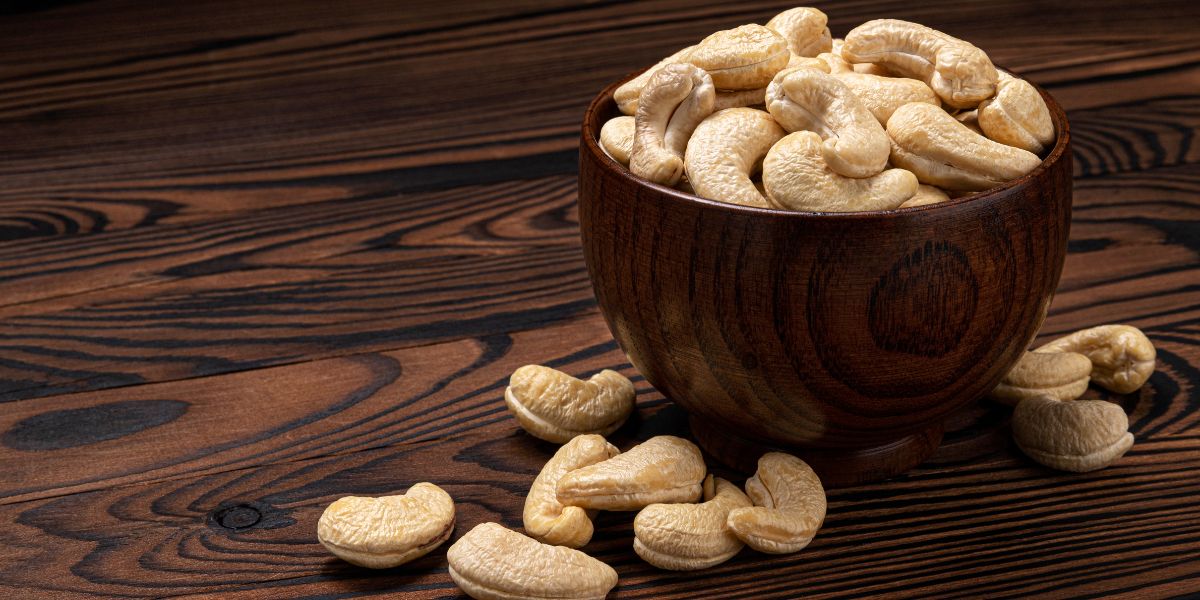
Yes, cashews are good for diabetes. These kidney-shaped nuts have a low glycaemic index and provide healthy fats, fibre, and protein. Together, these nutrients help stabilise blood sugar, improve insulin sensitivity, and support heart health, which is essential for managing type 2 diabetes.
Indian government-linked research, including a 12-week ICMR-affiliated trial, shows that moderate cashew intake (30 g daily) can lower systolic blood pressure and raise HDL cholesterol. It does so without spiking blood glucose levels.
This article dives into the details, drawing from global and Indian studies, to show why cashews deserve a spot in your diabetic diet.
Nutritional Profile of Cashews: Why They Matter for Diabetics
Cashews pack a nutrient punch that's tailor-made for blood sugar control. Here's a breakdown:
- Low Glycemic Index (GI): Cashews have a GI of just 22, meaning they cause minimal blood sugar spikes compared to high-GI foods like white rice (GI 73). This makes them ideal for steady energy release.
- Healthy Fats: About 75% of cashew fats are heart-friendly monounsaturated (like oleic acid) and polyunsaturated fats, which lower bad LDL cholesterol and reduce inflammation – key risks in diabetes.
- Fibre Content: One ounce (28g) provides 1g of fibre, aiding digestion and slowing carb absorption to prevent post-meal glucose surges.
- Protein Boost: 5g per serving supports satiety, helping control portion sizes and curb cravings for sugary snacks.
- Minerals and Antioxidants: Rich in magnesium (83mg per ounce, 20% DV), which enhances insulin function, plus copper, zinc, and antioxidants like zeaxanthin for eye health – vital as diabetes raises retinopathy risk.
- Calorie Check: At 157 calories per ounce, they're energy-dense but nutrient-rich; portion control keeps them waistline-friendly.
In short, cashews aren't just tasty – their profile counters diabetes hallmarks like insulin resistance and oxidative stress.
How Cashews Help Manage Blood Sugar: Key Mechanisms
Cashews influence diabetes through multiple pathways. Let's unpack them point by point:
- Stabilising Glucose Levels: Their low carb content (9g per ounce, mostly complex) and fibre combo delays gastric emptying, leading to gradual sugar release. A study found that cashew consumption over eight weeks lowered fasting insulin by 15% in type 2 diabetics.
- Improving Insulin Sensitivity: Magnesium in cashews activates insulin receptors. Research shows nut-rich diets (including cashews) cut HOMA-IR (an insulin resistance marker) by up to 20%.
- Reducing Inflammation: Polyphenols in cashews combat chronic inflammation, a diabetes driver. Daily intake lowered hs-CRP (inflammation marker) in trials, though more data is needed.
- Weight Management Aid: Despite calories, cashews promote fullness via fats and proteins, aiding modest weight loss, which boosts HbA1c by 0.5-1% in diabetics.
- Antioxidant Protection: They neutralise free radicals that damage beta cells, preserving insulin production. One serving covers 10% of daily antioxidant needs.
These mechanisms make cashews a proactive tool, not just a snack.
Indian Studies: Government-Backed Evidence from ICMR and NIN
India, with 77 million diabetics (projected 134 million by 2045), needs localised research. Fortunately, ICMR (Indian Council of Medical Research) and NIN (National Institute of Nutrition, Hyderabad) provide strong data on cashews.
- ICMR-Affiliated 12-Week RCT (2018): Led by Dr Viswanathan Mohan (Madras Diabetes Research Foundation, with NIN collaboration), this trial involved 300 Asian Indians with type 2 diabetes. Participants ate 30g of cashews daily alongside a standard diabetic diet (60-65% carbs). Results: Systolic BP dropped 4.9 mmHg (vs. 1.7 mmHg in controls; P=0.04), HDL rose 1.7 mg/dL (P=0.01), with no changes in weight, BMI, or glycemia. Compliance was high, confirmed by plasma oleic acid levels. Conclusion: Cashews safely enhance cardiovascular markers in Indian diabetics.
- NIN Dietary Guidelines (2024 Update): NIN recommends 2 teaspoons (8 pieces) of cashews daily in balanced plates for diabetics. They highlight nuts' role in replacing refined carbs, reducing type 2 diabetes risk by 15-20%. The guidelines note cashews' MUFA content aligns with Indian diets high in carbs (62% calories, per ICMR-INDIAB study), countering obesity links.
- ICMR-INDIAB Insights (2025): This national survey (18,090 adults) links high-carb Indian diets to diabetes surges but praises nut inclusion. Replacing 5% carbs with nuts like cashews could lower risk by 10-15%, emphasising affordable local options like Kerala cashews.
- Supporting NIN Food Composition Data (2017): Cashews score high on protein (18g/100g) and low sugars (3g/100g), ideal for glycemic control. ICMR uses this for diabetic meal planning.
These studies underscore cashews' relevance in India's context, where affordable nuts combat genetic predispositions.
Global Evidence Reinforcing Indian Findings
Beyond India, trials align:
- NIH-Funded Study (2019): 43 type 2 diabetics ate 28g of cashews daily for 8 weeks. Insulin fell significantly (P=0.01), LDL/HDL ratio improved (P=0.04), with no oxidative stress changes.
- Cleveland Clinic Review (2024): Cashews top lists for diabetics due to magnesium aiding glucose uptake; 1oz daily cuts heart disease risk by 20%.
- Meta-Analysis (2021): 9 RCTs showed nuts (cashews included) reduce fasting insulin by 0.8 μU/mL, no HbA1c impact, but better long-term control.
Consistency across borders validates cashews' role.
Practical Ways to Include Cashews in a Diabetic Indian Diet
Incorporate cashews seamlessly – aim for 20-30g (15-20 nuts) daily. Tips in points:
- Breakfast Boost: Add 5-6 chopped cashews to oats or besan cheela for fibre synergy.
- Mid-Morning Snack: Handful of roasted unsalted cashews with green tea; pairs with Indian chai minus sugar.
- Lunch/Dinner Sides: Toss into vegetable stir-fries or dal; enhances sabzi without extra oil.
- Dessert Hack: Blend into kheer using stevia, or make cashew butter for whole-grain rotis.
- Portion Hacks: Pre-measure into small bowls; track via apps like HealthifyMe for carb balance.
- Indian Recipes: Try cashew-coconut chutney or badam-kaju laddoo (sugar-free) from NIN guidelines.
Combine with walks (30min daily) for amplified effects.
Precautions and Who Should Avoid Cashews
Cashews aren't for everyone. Key cautions:
- Allergy Risk: Tree nut allergy affects 1% Indians; start small if unsure.
- Calorie Density: Overeating (beyond 30g) adds 500+ calories; diabetics monitor for weight gain.
- Kidney Concerns: High oxalate (49mg/oz) may worsen stones; consult a nephrologist.
- Processed Traps: Skip salted/fried versions – sodium spikes BP; choose raw/unsalted.
- Medication Interactions: Rare, but magnesium may enhance metformin; doctor approval needed.
- Quality Check: Opt for Indian-sourced (Kerala/Goa) to avoid aflatoxins; store cool/dry.
Moderation ensures benefits outweigh risks.
Cashews in Broader Diabetes Prevention: Lifestyle Integration
Cashews fit into holistic management:
- Diet Synergy: Pair with ICMR's low-GI plate: 50% veggies, 25% whole grains, 25% proteins/nuts.
- Exercise Link: Nuts fuel workouts; post-gym cashews replenish without crashes.
- Mental Health Perk: Omega-6s support mood, reducing stress-eating in diabetics.
- Economic Angle: At ₹600/kg in India, 30g/day costs ₹5 – cheaper than supplements.
- Long-Term Outlook: Studies predict a 10% lower complication risk with consistent nut intake.
Conclusion: Make Cashews Your Diabetes Superfood Today
Cashews prove a simple, effective ally for diabetes – stabilising sugar, shielding hearts, and fitting Indian plates. From ICMR's rigorous trials to daily handfuls, evidence is clear: Yes, they're good for you. Start small, consult your doctor, and track your glucometer. Your health journey just got nuttier – and healthier.
References
1. Cashew Nut Consumption Increases HDL Cholesterol and Reduces Systolic Blood Pressure in Asian Indians with Type 2 Diabetes. https://www.sciencedirect.com/science/article/pii/S0022316622108667
2. The effect of nuts on markers of glycemic control. https://pmc.ncbi.nlm.nih.gov/articles/PMC7307437/
Written by

Zanducare
India’s trusted name in Ayurvedic wellness, offering time-tested solutions for today’s health and lifestyle needs. With formulations rooted in classical Ayurvedic texts and crafted using pure natural ingredients, we bring holistic care into your everyday routine.
Research by




Leave a comment
This site is protected by hCaptcha and the hCaptcha Privacy Policy and Terms of Service apply.