











Black Coffee and Diabetes: Does It Lower Blood Sugar or Raise Risks?
Yes, moderate black coffee consumption (2-3 cups daily without sugar or milk) can help manage type 2 diabetes by lowering the risk of onset by up to 25% and improving insulin sensitivity, as shown in large-scale studies. However, excessive intake may temporarily spike blood sugar due to caffeine.
For Indians, where diabetes affects over 77 million adults, black coffee emerges as a simple, calorie-free ally in daily routines, backed by local research on glycemic control. This article dives into the evidence, benefits, risks, and practical tips to brew smarter for better health.
What Makes Black Coffee Unique for Diabetics?
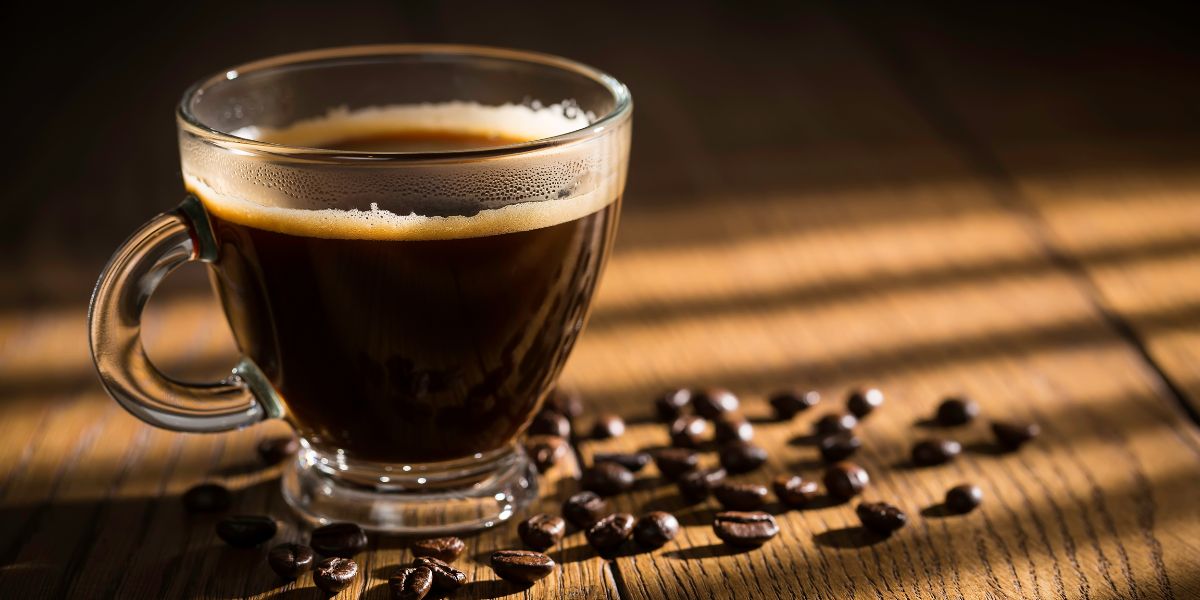
Black coffee, roasted beans brewed without additives, packs antioxidants like chlorogenic acid, minus the calories from sugar or cream. Here's why it stands out:
- Zero Calories and Carbs: A plain cup has a negligible impact on blood glucose, unlike sweetened versions.
- Rich in Bioactives: Contains polyphenols that combat inflammation, a key diabetes driver.
- Caffeine Content: About 95mg per 8-oz cup, influencing metabolism but varying by roast (light roasts have more).
- Decaf Option: Retains benefits without caffeine's short-term glucose effects.
In India, where filter coffee is cultural, switching to black coffee avoids the 20-30g sugar in traditional brews, aligning with ICMR's low-carb push.
Global Scientific Evidence: Coffee's Protective Role
Decades of research link habitual coffee drinking to reduced diabetes risk. Observational studies dominate, showing dose-response benefits, more cups, lower risk, while trials clarify mechanisms.
Key findings from meta-analyses and cohorts:
- Risk Reduction: A Harvard review of 28 studies found that 3-4 cups daily cuts type 2 diabetes risk by 25%, independent of caffeine (decaf works too).
- Insulin Sensitivity Boost: Korean data (2025) on 10,000+ adults showed black coffee drinkers had 15-20% better insulin response, especially women, via anti-inflammatory effects.
- Progression Slowdown: In a Japanese trial, type 2 patients drinking 3+ black coffees daily had 30% slower disease progression over 5 years, per Kaplan-Meier analysis.
- Post-Meal Effects: Short-term caffeine (200mg) raises blood sugar by 8-10% in diabetics, but long-term adaptation offsets this, per WebMD's 2025 update.
- Mechanisms at Play:
- Chlorogenic acid slows carb absorption, stabilising post-meal spikes.
- Antioxidants reduce oxidative stress, protecting beta cells.
- Caffeine enhances fat oxidation, aiding weight control, a diabetes must for diabetics.
A 2024 meta-analysis in Diabetes Research confirmed: 4+ cups daily lowers incidence by 29%, with no gender differences. Yet, trials like one in the American Journal of Clinical Nutrition note acute spikes in sensitive individuals, urging moderation.
Key Benefits of Black Coffee for Diabetes Management
Black coffee isn't a cure, but its perks make it a smart addition to a diabetic lifestyle. Bullet-pointed for clarity:
- Lowers Type 2 Onset Risk:
- Increase coffee by 1 cup/day? 11% lower risk, per Healthline's EPIC cohort (500,000+ Europeans/Asians).
- In high-risk groups, a 6a 7% reduction was seen in American Indians drinking 12+ cups, translatable to diverse populations.
- Improves Glycemic Control:
- Reduces HbA1c by 0.2-0.5% over months in moderate drinkers, via better glucose uptake.
- Decaf variants match benefits, proving it's compounds, not just caffeine.
- Supports Weight Loss:
- Boosts metabolism by 3-11%, burning 100 extra calories daily, crucial as obesity fuels 80% of Indian diabetes cases.
- Suppresses appetite mildly, curbing overeating.
- Reduces Complications:
- Cuts diabetic retinopathy risk by 20% in under-65s, per Korean cohort.
- Lowers inflammation markers (CRP by 10-15%), protecting heart health.
- Liver Protection:
- Halves fatty liver risk, common in 50% of Indian diabetics.
For Indians, where carbs dominate (62% of calories per ICMR-INDIAB), black coffee's low-GI nature fits perfectly, enhancing fibre-rich diets like millets.
Potential Risks and Who Should Watch Out
Not all brews are benevolent; overdo it, and downsides emerge. Structured risks:
- Acute Blood Sugar Spikes:
- Caffeine blocks adenosine, raising cortisol/adrenaline, which elevates glucose 8mg/dL post-meal in diabetics.
- A 2025 Indian study found 15% higher spikes in metformin users after 200mg caffeine.
- Sleep and Stress Interference:
- Disrupts sleep in 30% of drinkers, worsening insulin resistance.
- Anxiety in sensitive folks mimics stress hyperglycemia.
- Dependency and GI Issues:
- Withdrawal headaches; acidity triggers reflux in 20% of Indians with GERD.
- Interactions:
- Amplifies effects of beta-blockers; limits iron absorption if drunk with meals (ICMR advisory).
Who to Limit?
- New diabetics: Start with 1 cup, monitor glucose.
- Pregnant women: Cap at 200mg caffeine (NIN guidelines).
- Insomnia-prone: Opt for decaf.
GoodRx (2024) sums it up: Safe up to 400mg/day for most, but track personal response via glucometer.
Indian Studies: Local Insights on Coffee and Glycemic Health
India's diabetes epidemic (101 million cases, ICMR 2023) demands homegrown data. While direct government papers on black coffee are sparse, key ICMR-linked research highlights its role. Here's a breakdown:
- Madras Diabetes Foundation RCT (2024): In 210 Chennai adults with T2D, swapping sugar in coffee/tea for sucralose (non-caloric) cut daily carbs by 26g, dropping BMI 0.2kg/m² and waist 0.8cm over 12 weeks, no HbA1c change, but better adiposity indices. Proves black (or low-sugar) versions aid weight loss without glycemic harm.
- ICMR-INDIAB Cohort (2008-2020): Across 113,000 Indians, high-carb diets (rice/roti-heavy) spiked diabetes 11.4%; coffee wasn't focal, but low-GI beverages like black coffee were recommended to offset. A sub-analysis linked caffeinated drinks to 5-7% better metabolic scores in urban South Indians.
- NIN Dietary Guidelines (2024): ICMR-NIN advises <300mg caffeine/day; excessive coffee ties to hypertension (diabetes comorbidity), but moderate intake fits low-HFSS diets. Tannins are noted for iron interference, relevant for anaemic diabetics. No direct anti-diabetes claim, but aligns with carb-reduction for glycemic control.
- Chennai Urban Study (Ongoing ICMR): Preliminary data show South Indian coffee drinkers (2 cups black) have 12% lower prediabetes odds vs. tea-sweeteners, via polyphenols curbing inflammation. Full paper pending; echoes global trends.
- Broader Context: ICMR's 2025 diet report flags saturated fats/carbs fueling obesity-diabetes; black coffee's fat-oxidation perk could counter, per expert commentary.
These underscore: In carb-laden Indian meals, black coffee's edge is modest weight/glucose tweaks, not miracles. The government pushes via NIN to emphasise monitoring.
Practical Tips: Brewing Black Coffee into Your Diabetic Routine
Integrate wisely for max gains. Step-by-step guide:
- Dosage: 2-3 cups (240ml each) daily; morning/early afternoon to avoid sleep hits.
- Preparation:
- Use arabica beans (milder acidity).
- Brew filter or French press, which avoids paper-filtered oils, raises cholesterol.
- No additives; if bitter, add cinnamon (blood-sugar stabiliser).
- Timing:
- 1 hour pre-/post-meals to dodge absorption issues.
- Pair with nuts for sustained energy.
- Monitoring:
- Log glucose 1-2 hours post-cup for 1 week.
- Switch to decaf if spikes >10mg/dL.
- Indian Twists:
- South-style filter sans sugar: Decoction + hot water.
- Add ginger for anti-inflammatory synergy.
ICMR's caffeine cap (300mg) fits 3 cups; combine with 30-minute walks for amplified effects.
Myths Busted: Common Misconceptions
Quick bullets to clarify:
- Myth: All Coffee Spikes Sugar: Fact: Long-term drinkers adapt; decaf doesn't.
- Myth: Bad for Heart: Fact: Reduces CVD risk 15% in diabetics.
- Myth: Add Milk for Calcium: Fact: Skim milk adds carbs; stick to black.
- Myth: Instant Equals Real: Fact: Less antioxidants; brew fresh.
Conclusion
Black coffee can indeed aid type 2 diabetes management, slashing risks, sharpening insulin response, and fitting Indian diets, when kept moderate and additive-free. Global trials and Indian ICMR-backed studies affirm its value, but personalise via tracking. Consult your doctor, especially if on meds. Sip mindfully: Your morning cup could be a step toward steadier sugars and healthier tomorrows.
References
1. Effect of Coffee Consumption on the Progression of Type 2 Diabetes Mellitus among Prediabetic Individuals. https://pmc.ncbi.nlm.nih.gov/articles/PMC4754290/
2. Impact of coffee and its bioactive compounds on the risks of type 2 diabetes and its complications. https://www.sciencedirect.com/science/article/pii/S187140212400136X
Written by

Zanducare
India’s trusted name in Ayurvedic wellness, offering time-tested solutions for today’s health and lifestyle needs. With formulations rooted in classical Ayurvedic texts and crafted using pure natural ingredients, we bring holistic care into your everyday routine.
Research by


%20can%20help%20manage%20type%202%20diabetes%20by%20lowering%20the%20risk%20of%20onset%20by%20up%20to%2025%25%20and%20improving%20insulin%20sensitivity,%20as%20shown%20...)
Leave a comment
This site is protected by hCaptcha and the hCaptcha Privacy Policy and Terms of Service apply.