Diabetes is a condition of the body that has difficulties in regulating the level of sugar in the blood, resulting in possible health complications such as cardiac disease, kidney ailments, or neural injury. Many individuals are increasingly using natural foods to control diabetes, and beetroot is one of the natural foods that has attracted attention.
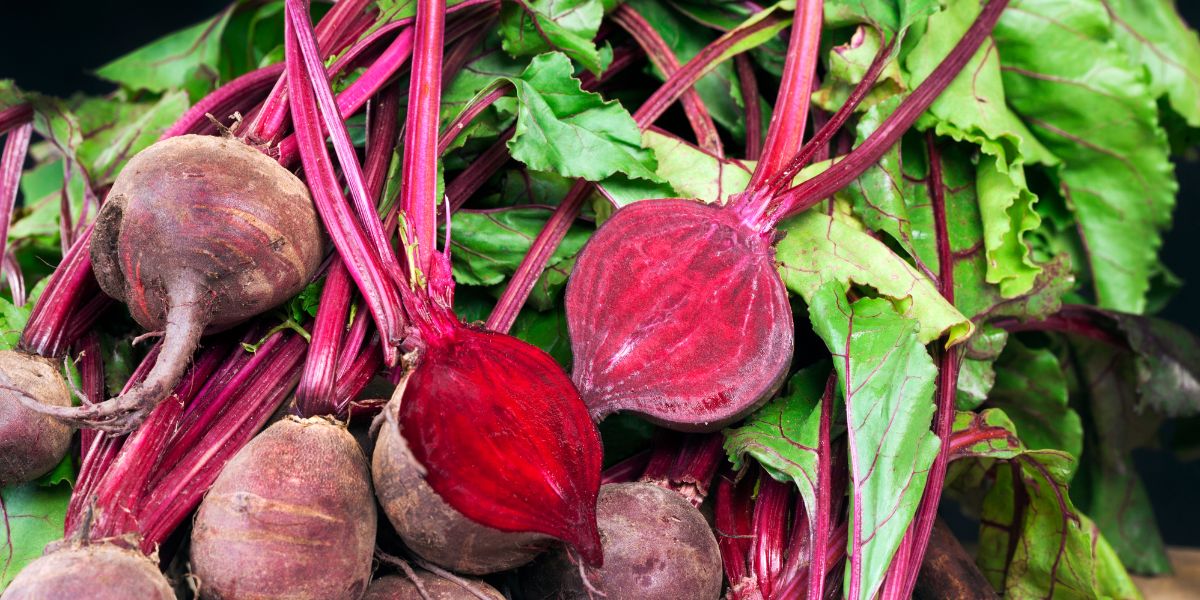
Beetroot is a deep red root vegetable that has an earthy flavour and is a common ingredient in India as well as globally.
It is consumed raw, cooked, juiced or even fermented. However, is beetroot healthy to diabetics? We are going to discuss the benefits, risks, and how to incorporate beetroot in your diet in this article with the support of Indian research studies.
Benefits of Beetroot for Diabetes
Beetroot is often called a superfood because it is packed with nutrients that can support health, especially for people with diabetes. Here’s a detailed look at how beetroot can help.
1. Helps Control Blood Sugar and Insulin
Beetroot contains phytochemicals, which are natural compounds that may help regulate blood sugar and insulin levels. These compounds slow down how quickly sugar enters the bloodstream, preventing sudden spikes that can be harmful for diabetics.
For example, fiber in beetroot (about 2.8 grams per 100 grams) acts like a sponge, slowing digestion and sugar absorption. This keeps blood sugar steady.
An Indian study conducted by researchers at LN Mithila University explored beetroot juice’s effect on blood sugar in diabetic rats. Study on Beetroot Juice and Blood Sugar. They gave rats with induced diabetes beetroot juice for 28 days and found a significant drop in fasting blood sugar levels, almost matching insulin’s effects (p<0.001).
The study suggested that beetroot’s betalains and fiber improve insulin production and reduce oxidative stress, which damages cells in diabetes. While this study was on animals, it shows promise for humans, especially in India, where beetroot is affordable and widely available.
2. Lowers Risk of Chronic Diseases
Beetroot is rich in antioxidants, which fight free radicals, unstable molecules that damage cells and lead to chronic diseases like heart disease and cancer.
Oxidative stress, caused by free radicals, is a big issue in diabetes because it worsens insulin resistance and increases the risk of complications. Beetroot’s antioxidants, called betalains, give it its red color and help reduce this stress. They also lower inflammation, which is linked to serious conditions.
According to research, beetroot contains up to 1.7 millimoles of antioxidants per 100 grams. A study from India on beetroot’s flavonoid-rich extract showed it could inhibit enzymes that raise blood sugar, helping prevent chronic diseases.
Indian Study on Beetroot Flavonoids. Conducted by JSS Academy, this study found the extract reduced enzyme activity by up to 72%, suggesting benefits for diabetes and even Alzheimer’s, which is linked to diabetes through inflammation.
3. Reduces Diabetes Complications
Diabetes can damage small blood vessels (microvascular) and large blood vessels (macrovascular), leading to complications like retinopathy (eye damage), kidney disease, neuropathy (nerve damage), and heart disease.
Beetroot’s antioxidants, especially betalains, reduce oxidative stress and free radicals, lowering the risk of these issues. Its nitrates also improve blood flow by widening blood vessels, which helps deliver oxygen and nutrients to organs, reducing complications like poor circulation in the feet.
An Indian study on fermented beetroot’s probiotic bacteria showed benefits for gut health, which is linked to fewer diabetes complications.
Probiotic Beetroot Study. Conducted by JSS Academy in Mysore, it found that Lactobacillus from fermented beetroot inhibited sugar-digesting enzymes by up to 57.15%, slowing sugar absorption and reducing complication risks.
This is especially relevant in India, where fermented beetroot is used in pickles and traditional recipes.
4. Improves Insulin Sensitivity
Insulin resistance, where cells don’t respond well to insulin, is a key problem in type 2 diabetes. Beetroot’s nitrates may help improve insulin sensitivity, allowing cells to use blood sugar better. This lowers overall blood sugar levels. For example, nitrates turn into nitric oxide, which helps cells absorb glucose more effectively.
An Indian study on beetroot extract’s antidiabetic potential found it improved insulin sensitivity by inhibiting sugar-digesting enzymes.
Beetroot Extract Study. The study showed that flavonoids in beetroot worked better than some drugs, with up to 68% enzyme inhibition. This suggests beetroot could help manage insulin resistance, though more human studies are needed.
5. Lowers Blood Pressure
High blood pressure is common in people with diabetes and increases the risk of heart disease. Beetroot’s nitrates relax blood vessels, improving blood flow and lowering blood pressure. This is crucial for diabetics, as it reduces strain on the heart and blood vessels.
A 2017 study found that beetroot juice reduced central blood pressure in some people with type 2 diabetes. While not Indian, this aligns with Indian research suggesting nitrates’ benefits.
The Mysore study on fermented beetroot also noted improved vascular health due to probiotics, which could complement nitrate effects. Probiotic Beetroot Study.
Risks of Eating Beetroot for Diabetes
While beetroot has many benefits, there are some risks to consider, especially for people with diabetes.
1. Beeturia
Beetroot can cause beeturia, where urine or stools turn pink or red after eating it. This happens because of betalains, the pigments that give beetroot its color. About 10-14% of people experience beeturia, and while it’s harmless, it can be alarming.
For diabetics, who may already worry about health changes, this can cause unnecessary stress. If you notice red urine, check with a doctor to rule out other issues, but it’s usually not a concern.
2. Oxalates and Kidney Health
Beetroot contains oxalates, compounds that can form kidney stones in some people. Diabetics with kidney disease, a common complication, should be cautious.
Eating large amounts of beetroot could increase oxalate levels, raising the risk of stones. If you have kidney issues, talk to your doctor before adding beetroot to your diet.
3. Natural Sugars
Beetroot has natural sugars, with about 7 grams of carbohydrates per beet. While its fiber slows sugar absorption, eating too much, especially as juice, could raise blood sugar.
For example, juicing removes some fibre, concentrating sugars, and potentially causing quicker spikes. Diabetics should monitor portions and test their blood sugar after eating beetroot to see how it affects them.
4. Blood Pressure Concerns
Beetroot’s ability to lower blood pressure is a benefit, but it could be a risk if you’re on blood pressure medication. Combining beetroot with these drugs might lower blood pressure too much, causing dizziness or fainting. Always consult your doctor if you’re on medication.
Including Beets in Your Diet
Beetroot is versatile and easy to add to a diabetes-friendly diet. Here are practical ways to enjoy it, especially in Indian cuisine:
Raw in Salads: Grate or thinly slice raw beetroot for salads. Mix with cucumber, carrots, and a squeeze of lemon for a low-calorie, high-fibre dish. The fibre helps control blood sugar spikes. Try an Indian-style salad with chaat masala for flavour.
Cooked as a Side: Boil or steam beetroot to keep nutrients intact. Add to sabzi with spices like cumin and coriander, or make beetroot raita with yoghurt for a cooling, probiotic-rich dish. Cooking softens the texture while keeping the fibre.
Roasted Beets: Roast beetroot in the oven with a bit of salt and pepper. Slice for a side dish or add to wraps with whole-grain roti. Roasting enhances sweetness without adding extra sugar.
Beetroot Juice: Juice beetroot with ginger or amla for a nutrient-packed drink. Limit to 100-200 ml daily and dilute with water to reduce sugar concentration. Pair with a protein like nuts to balance sugar release.
Use the Greens: Beetroot greens are like spinach, rich in vitamins and minerals. Sauté with garlic or add to dal for a nutritious boost. In India, greens are often used in traditional dishes.
Tips for Buying and Storing:
Choose firm, smooth beets with bright red-purple colour and intact greens.
Store beets with greens in the fridge for 3-4 days, or without greens for 2-4 weeks.
Wash thoroughly to remove dirt, and peel if preferred.
Start with small portions (100 grams daily) and monitor blood sugar to find the right amount for you. Combine with protein or healthy fats to balance meals.
Conclusion
Beetroot is a healthy vegetable and may help diabetic patients. Its fibre, antioxidants and nitrates assist in regulating sugar in the blood, increasing insulin sensitivity, decreasing blood pressure, and also minimising the chances of complications such as heart disease and nerve damage.
These benefits have been confirmed by Indian studies, including those conducted at LN Mithila University and JSS Academy and indicate that beetroot has potential in naturally managing diabetes. Study on Beetroot Juice, Probiotic Beetroot Study, Beetroot Extract Study.
Nevertheless, risks such as beeturia, oxalates and possible blood pressure problems are involved; therefore, moderation is essential. Always consult a doctor, particularly when you have problems with your kidneys or when you are taking medication.
The benefits of beetroot can be enjoyed, and at the same time, blood sugar can be maintained by incorporating the beetroot in small and measured portions, such as salads, sabzi or watered-down juice. Beetroot is not a medicine; it is just a delicious, inexpensive option to supplement the management of diabetes with the help of a healthy lifestyle.
Diabetes is a condition of the body that has difficulties in regulating the level of sugar in the blood, resulting in possible health complications such as cardiac disease, kidney ailments, or neural injury. Many individuals are increasingly using natural foods to control diabetes, and beetroot is one of the natural foods that has attracted attention.
Beetroot is a deep red root vegetable that has an earthy flavour and is a common ingredient in India as well as globally.
It is consumed raw, cooked, juiced or even fermented. However, is beetroot healthy to diabetics? We are going to discuss the benefits, risks, and how to incorporate beetroot in your diet in this article with the support of Indian research studies.
Benefits of Beetroot for Diabetes
Beetroot is often called a superfood because it is packed with nutrients that can support health, especially for people with diabetes. Here’s a detailed look at how beetroot can help.
1. Helps Control Blood Sugar and Insulin
Beetroot contains phytochemicals, which are natural compounds that may help regulate blood sugar and insulin levels. These compounds slow down how quickly sugar enters the bloodstream, preventing sudden spikes that can be harmful for diabetics.
For example, fiber in beetroot (about 2.8 grams per 100 grams) acts like a sponge, slowing digestion and sugar absorption. This keeps blood sugar steady.
An Indian study conducted by researchers at LN Mithila University explored beetroot juice’s effect on blood sugar in diabetic rats. Study on Beetroot Juice and Blood Sugar. They gave rats with induced diabetes beetroot juice for 28 days and found a significant drop in fasting blood sugar levels, almost matching insulin’s effects (p<0.001).
The study suggested that beetroot’s betalains and fiber improve insulin production and reduce oxidative stress, which damages cells in diabetes. While this study was on animals, it shows promise for humans, especially in India, where beetroot is affordable and widely available.
2. Lowers Risk of Chronic Diseases
Beetroot is rich in antioxidants, which fight free radicals, unstable molecules that damage cells and lead to chronic diseases like heart disease and cancer.
Oxidative stress, caused by free radicals, is a big issue in diabetes because it worsens insulin resistance and increases the risk of complications. Beetroot’s antioxidants, called betalains, give it its red color and help reduce this stress. They also lower inflammation, which is linked to serious conditions.
According to research, beetroot contains up to 1.7 millimoles of antioxidants per 100 grams. A study from India on beetroot’s flavonoid-rich extract showed it could inhibit enzymes that raise blood sugar, helping prevent chronic diseases.
Indian Study on Beetroot Flavonoids. Conducted by JSS Academy, this study found the extract reduced enzyme activity by up to 72%, suggesting benefits for diabetes and even Alzheimer’s, which is linked to diabetes through inflammation.
3. Reduces Diabetes Complications
Diabetes can damage small blood vessels (microvascular) and large blood vessels (macrovascular), leading to complications like retinopathy (eye damage), kidney disease, neuropathy (nerve damage), and heart disease.
Beetroot’s antioxidants, especially betalains, reduce oxidative stress and free radicals, lowering the risk of these issues. Its nitrates also improve blood flow by widening blood vessels, which helps deliver oxygen and nutrients to organs, reducing complications like poor circulation in the feet.
An Indian study on fermented beetroot’s probiotic bacteria showed benefits for gut health, which is linked to fewer diabetes complications.
Probiotic Beetroot Study. Conducted by JSS Academy in Mysore, it found that Lactobacillus from fermented beetroot inhibited sugar-digesting enzymes by up to 57.15%, slowing sugar absorption and reducing complication risks.
This is especially relevant in India, where fermented beetroot is used in pickles and traditional recipes.
4. Improves Insulin Sensitivity
Insulin resistance, where cells don’t respond well to insulin, is a key problem in type 2 diabetes. Beetroot’s nitrates may help improve insulin sensitivity, allowing cells to use blood sugar better. This lowers overall blood sugar levels. For example, nitrates turn into nitric oxide, which helps cells absorb glucose more effectively.
An Indian study on beetroot extract’s antidiabetic potential found it improved insulin sensitivity by inhibiting sugar-digesting enzymes.
Beetroot Extract Study. The study showed that flavonoids in beetroot worked better than some drugs, with up to 68% enzyme inhibition. This suggests beetroot could help manage insulin resistance, though more human studies are needed.
5. Lowers Blood Pressure
High blood pressure is common in people with diabetes and increases the risk of heart disease. Beetroot’s nitrates relax blood vessels, improving blood flow and lowering blood pressure. This is crucial for diabetics, as it reduces strain on the heart and blood vessels.
A 2017 study found that beetroot juice reduced central blood pressure in some people with type 2 diabetes. While not Indian, this aligns with Indian research suggesting nitrates’ benefits.
The Mysore study on fermented beetroot also noted improved vascular health due to probiotics, which could complement nitrate effects. Probiotic Beetroot Study.
Risks of Eating Beetroot for Diabetes
While beetroot has many benefits, there are some risks to consider, especially for people with diabetes.
1. Beeturia
Beetroot can cause beeturia, where urine or stools turn pink or red after eating it. This happens because of betalains, the pigments that give beetroot its color. About 10-14% of people experience beeturia, and while it’s harmless, it can be alarming.
For diabetics, who may already worry about health changes, this can cause unnecessary stress. If you notice red urine, check with a doctor to rule out other issues, but it’s usually not a concern.
2. Oxalates and Kidney Health
Beetroot contains oxalates, compounds that can form kidney stones in some people. Diabetics with kidney disease, a common complication, should be cautious.
Eating large amounts of beetroot could increase oxalate levels, raising the risk of stones. If you have kidney issues, talk to your doctor before adding beetroot to your diet.
3. Natural Sugars
Beetroot has natural sugars, with about 7 grams of carbohydrates per beet. While its fiber slows sugar absorption, eating too much, especially as juice, could raise blood sugar.
For example, juicing removes some fibre, concentrating sugars, and potentially causing quicker spikes. Diabetics should monitor portions and test their blood sugar after eating beetroot to see how it affects them.
4. Blood Pressure Concerns
Beetroot’s ability to lower blood pressure is a benefit, but it could be a risk if you’re on blood pressure medication. Combining beetroot with these drugs might lower blood pressure too much, causing dizziness or fainting. Always consult your doctor if you’re on medication.
Including Beets in Your Diet
Beetroot is versatile and easy to add to a diabetes-friendly diet. Here are practical ways to enjoy it, especially in Indian cuisine:
Raw in Salads: Grate or thinly slice raw beetroot for salads. Mix with cucumber, carrots, and a squeeze of lemon for a low-calorie, high-fibre dish. The fibre helps control blood sugar spikes. Try an Indian-style salad with chaat masala for flavour.
Cooked as a Side: Boil or steam beetroot to keep nutrients intact. Add to sabzi with spices like cumin and coriander, or make beetroot raita with yoghurt for a cooling, probiotic-rich dish. Cooking softens the texture while keeping the fibre.
Roasted Beets: Roast beetroot in the oven with a bit of salt and pepper. Slice for a side dish or add to wraps with whole-grain roti. Roasting enhances sweetness without adding extra sugar.
Beetroot Juice: Juice beetroot with ginger or amla for a nutrient-packed drink. Limit to 100-200 ml daily and dilute with water to reduce sugar concentration. Pair with a protein like nuts to balance sugar release.
Use the Greens: Beetroot greens are like spinach, rich in vitamins and minerals. Sauté with garlic or add to dal for a nutritious boost. In India, greens are often used in traditional dishes.
Tips for Buying and Storing:
Choose firm, smooth beets with bright red-purple colour and intact greens.
Store beets with greens in the fridge for 3-4 days, or without greens for 2-4 weeks.
Wash thoroughly to remove dirt, and peel if preferred.
Start with small portions (100 grams daily) and monitor blood sugar to find the right amount for you. Combine with protein or healthy fats to balance meals.
Conclusion
Beetroot is a healthy vegetable and may help diabetic patients. Its fibre, antioxidants and nitrates assist in regulating sugar in the blood, increasing insulin sensitivity, decreasing blood pressure, and also minimising the chances of complications such as heart disease and nerve damage.
These benefits have been confirmed by Indian studies, including those conducted at LN Mithila University and JSS Academy and indicate that beetroot has potential in naturally managing diabetes. Study on Beetroot Juice, Probiotic Beetroot Study, Beetroot Extract Study.
Nevertheless, risks such as beeturia, oxalates and possible blood pressure problems are involved; therefore, moderation is essential. Always consult a doctor, particularly when you have problems with your kidneys or when you are taking medication.
The benefits of beetroot can be enjoyed, and at the same time, blood sugar can be maintained by incorporating the beetroot in small and measured portions, such as salads, sabzi or watered-down juice. Beetroot is not a medicine; it is just a delicious, inexpensive option to supplement the management of diabetes with the help of a healthy lifestyle.
Diabetes is a health condition where the body struggles to control blood sugar levels, either because it doesn't produce enough insulin (type 1) or doesn't use insulin effectively (type 2).
With I...
Diabetes is a health condition where the body struggles to regulate blood sugar levels, leading to potential highs and lows that can harm the body over time. Managing diabetes requires careful atte...