Diabetes is a health condition where the body struggles to control blood sugar levels, either because it doesn't produce enough insulin (type 1) or doesn't use insulin effectively (type 2).
With India facing a high diabetes burden, many people look for natural dietary options to manage it. Bananas, a widely available, affordable, and popular fruit in India, are sweet and packed with nutrients.
But are they safe and beneficial for people with diabetes? This article explores bananas’ nutritional profile, their effects on blood sugar, supporting Indian research with direct links to studies, and precautions.
Understanding Diabetes and Dietary Choices
Managing diabetes involves careful attention to diet to maintain stable blood sugar levels. Foods that release sugar slowly into the bloodstream are preferred to avoid sudden spikes, which can worsen diabetes.
Fruits, due to their natural sugars, require careful selection. The glycemic index (GI) measures how quickly a food raises blood sugar. Low-GI foods (below 55) are best, medium-GI (55–69) can be eaten in moderation, and high-GI (70+) should be limited.
Bananas have a GI ranging from 42 to 62, depending on ripeness; greener bananas score lower, ripe ones higher. This makes them a medium-GI fruit, suitable for diabetics if consumed carefully.
A balanced diet rich in fibre, low in calories, and high in nutrients like potassium supports diabetes management by improving insulin sensitivity and reducing complications like heart disease.
Nutritional Profile of Bananas
Bananas are nutrient-dense, offering several benefits for people with diabetes. A medium banana (120–150 grams) contains:
Vitamin B6: 0.5 mg (20% of daily needs, aids metabolism)
Magnesium: 30–40 mg (supports muscle and nerve function)
Antioxidants: Catechins and dopamine (fight cell damage)
With about 75% water content, bananas are filling. They have minimal fat (0.3 grams) and no cholesterol, supporting heart health, which is vital since diabetes increases heart disease risk.
The fibre includes soluble fibre, which slows sugar absorption, and insoluble fibre, which promotes healthy digestion.
However, ripe bananas have higher sugar content (fructose and glucose), so portion size and ripeness are important considerations.
How Bananas Support Diabetes Management
Bananas can benefit diabetes management when consumed thoughtfully. Here’s a detailed breakdown of their advantages:
1. Medium Glycemic Index with Fibre
The GI of bananas varies by ripeness. Green or slightly underripe bananas (GI ~42–50) release sugar more slowly than fully ripe ones (GI ~58–62). The fibre content (2–3 grams per medium banana) further slows sugar absorption.
For example, eating half a medium banana causes a smaller blood sugar spike compared to high-GI foods like white rice (GI ~89). Choosing less ripe bananas is better for blood sugar control.
2. High Fibre Content
Fibre is essential for diabetes management. Soluble fibre in bananas forms a gel in the digestive tract, slowing carbohydrate breakdown and preventing rapid blood sugar spikes.
Insoluble fibre supports regular bowel movements, addressing digestive issues common in diabetes. A medium banana provides about 10% of daily fibre needs, helping stabilise glucose levels after meals.
3. Potassium for Heart Health
Diabetes often leads to high blood pressure, increasing heart disease. Bananas are rich in potassium (400–450 mg per medium fruit), which helps regulate blood pressure by balancing sodium levels. This supports cardiovascular health, a critical concern for diabetics.
4. Antioxidants to Combat Oxidative Stress
Diabetes increases oxidative stress, where free radicals damage cells, including those in the pancreas that produce insulin. Bananas contain antioxidants like vitamin C, catechins, and dopamine, which neutralise free radicals.
For example, 10–15 mg of vitamin C per banana reduces inflammation, potentially improving insulin function and lowering complication risks.
5. Supports Energy and Metabolism
Vitamin B6 (0.5 mg per medium banana) aids carbohydrate metabolism, helping the body process sugars efficiently. This is important for diabetics, as poor metabolism can worsen blood sugar control. B6 also reduces fatigue, a common issue in diabetes.
6. Aids Weight Management
Excess weight worsens insulin resistance. Bananas are moderately low in calories and filling due to their fibre and water content. A small banana as a snack can reduce cravings for sugary foods, supporting weight control. However, overeating bananas can add calories, so portion control is essential.
7. Improves Insulin Sensitivity
Compounds like pectin (a soluble fibre) in bananas may enhance insulin sensitivity, allowing cells to use sugar more effectively. This helps lower blood glucose levels. Animal studies suggest bananas improve glucose uptake, though human evidence is limited.
8. Promotes Gut Health
Green bananas, in particular, contain resistant starch, a fibre that acts as a prebiotic, feeding beneficial gut bacteria. A healthy gut improves nutrient absorption and reduces inflammation, supporting better diabetes management.
9. Natural Sweetness as a Healthier Alternative
Bananas’ natural sweetness makes them a good substitute for processed sweets. For diabetics craving dessert, a small banana paired with protein (e.g., yoghurt) satisfies without significantly impacting blood sugar.
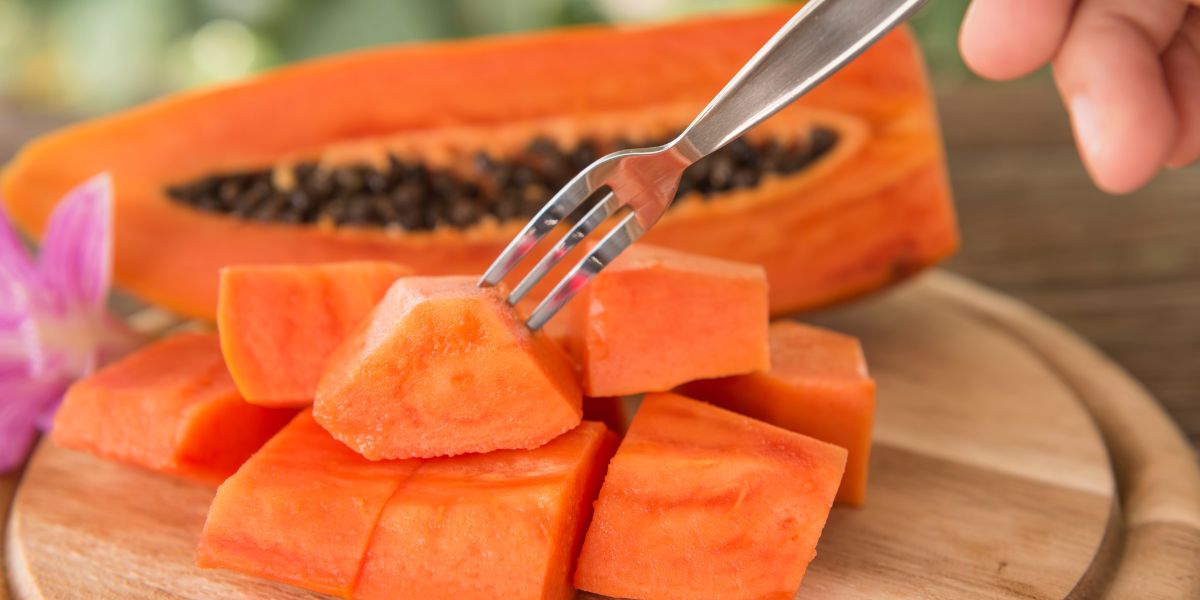
What Research Says About Papaya and Diabetes
India, with over 77 million diabetes cases, has conducted research on bananas’ potential for diabetes management. Below are key studies with direct links:
Study on Banana Peel Extract: A study investigated banana peel extract's antidiabetic activity, showing effects on hyperglycemia, hyperlipidemia, and oxidative stress in diabetes models. It highlighted the role of pectin and other compounds in reducing blood glucose.
Review on Banana’s Medicinal Uses: A review from the Pharmacognosy Research Laboratory discussed antidiabetic medicinal plants, including bananas, attributing benefits to polyphenols, flavonoids, and other constituents that reduce blood glucose levels.
Study on Resistant Starch: Research characterised the functional properties of green banana starch from the Mysore variety, noting its high resistant starch content, which supports diabetes control by slowing digestion and improving insulin sensitivity.
Antioxidant Properties: A study compared physico-chemical characteristics and antioxidant properties of eleven banana varieties from ICAR-NRCB (affiliated with ICAR Lucknow), showing low glycemic response and high antioxidant activity beneficial for diabetes.
These studies, primarily on animals or theoretical, indicate bananas’ potential for diabetes management. More human clinical trials are needed for conclusive evidence.
Precautions When Consuming Bananas
While bananas are generally safe, diabetics should take these precautions:
Portion Control: A medium banana contains 23–30 grams of carbs, which can raise blood sugar if overconsumed. Limit to half or one small banana (100–120 grams) per serving.
Ripeness Matters: Opt for green or slightly underripe bananas for lower GI and reduced sugar content. Overripe bananas have higher sugar levels.
Medication Interactions: Bananas’ sugar-lowering effects may enhance diabetes medications, risking low blood sugar (hypoglycemia). Monitor blood sugar and consult a doctor.
Allergies: Though rare, some may experience allergic reactions to bananas, such as itching or swelling.
Kidney Concerns: Diabetics with kidney issues should limit potassium-rich foods like bananas, as excess potassium can be harmful. Consult a doctor.
Avoid Processed Banana Products: Banana chips or smoothies with added sugar can spike blood sugar due to low fibre and high carbs.
How to Include Bananas in a Diabetic Diet
To safely incorporate bananas into a diabetic diet:
Choose Green Bananas: Slightly underripe bananas have lower GI and more resistant starch.
Control Portion Size: Eat half a medium banana or one small banana (100–120 grams) as a snack or with meals.
Pair with Protein or Fat: Combine with yoghurt, nuts, or peanut butter to slow sugar absorption.
Avoid Juices or Smoothies: These lack fibre, leading to faster sugar spikes.
Moderate Frequency: Include bananas 2–3 times a week, balanced with low-GI foods like vegetables.
Conclusion
Bananas can be a beneficial addition to a diabetic diet when consumed in moderation, particularly if slightly underripe. Their fibre, potassium, antioxidants, and resistant starch help control blood sugar, support heart health, and reduce inflammation.
Indian research from institutions like Annamalai University and Banaras Hindu University supports these benefits, showing bananas’ potential to lower glucose and improve insulin sensitivity.
However, careful portion control, choosing less ripe bananas, and consulting a doctor are essential to avoid risks. Incorporating bananas into a balanced diet, alongside exercise and medication, offers a nutritious and tasty option for diabetes management.
Diabetes is a health condition where the body struggles to control blood sugar levels, either because it doesn't produce enough insulin (type 1) or doesn't use insulin effectively (type 2).
With India facing a high diabetes burden, many people look for natural dietary options to manage it. Bananas, a widely available, affordable, and popular fruit in India, are sweet and packed with nutrients.
But are they safe and beneficial for people with diabetes? This article explores bananas’ nutritional profile, their effects on blood sugar, supporting Indian research with direct links to studies, and precautions.
Understanding Diabetes and Dietary Choices
Managing diabetes involves careful attention to diet to maintain stable blood sugar levels. Foods that release sugar slowly into the bloodstream are preferred to avoid sudden spikes, which can worsen diabetes.
Fruits, due to their natural sugars, require careful selection. The glycemic index (GI) measures how quickly a food raises blood sugar. Low-GI foods (below 55) are best, medium-GI (55–69) can be eaten in moderation, and high-GI (70+) should be limited.
Bananas have a GI ranging from 42 to 62, depending on ripeness; greener bananas score lower, ripe ones higher. This makes them a medium-GI fruit, suitable for diabetics if consumed carefully.
A balanced diet rich in fibre, low in calories, and high in nutrients like potassium supports diabetes management by improving insulin sensitivity and reducing complications like heart disease.
Nutritional Profile of Bananas
Bananas are nutrient-dense, offering several benefits for people with diabetes. A medium banana (120–150 grams) contains:
Vitamin B6: 0.5 mg (20% of daily needs, aids metabolism)
Magnesium: 30–40 mg (supports muscle and nerve function)
Antioxidants: Catechins and dopamine (fight cell damage)
With about 75% water content, bananas are filling. They have minimal fat (0.3 grams) and no cholesterol, supporting heart health, which is vital since diabetes increases heart disease risk.
The fibre includes soluble fibre, which slows sugar absorption, and insoluble fibre, which promotes healthy digestion.
However, ripe bananas have higher sugar content (fructose and glucose), so portion size and ripeness are important considerations.
How Bananas Support Diabetes Management
Bananas can benefit diabetes management when consumed thoughtfully. Here’s a detailed breakdown of their advantages:
1. Medium Glycemic Index with Fibre
The GI of bananas varies by ripeness. Green or slightly underripe bananas (GI ~42–50) release sugar more slowly than fully ripe ones (GI ~58–62). The fibre content (2–3 grams per medium banana) further slows sugar absorption.
For example, eating half a medium banana causes a smaller blood sugar spike compared to high-GI foods like white rice (GI ~89). Choosing less ripe bananas is better for blood sugar control.
2. High Fibre Content
Fibre is essential for diabetes management. Soluble fibre in bananas forms a gel in the digestive tract, slowing carbohydrate breakdown and preventing rapid blood sugar spikes.
Insoluble fibre supports regular bowel movements, addressing digestive issues common in diabetes. A medium banana provides about 10% of daily fibre needs, helping stabilise glucose levels after meals.
3. Potassium for Heart Health
Diabetes often leads to high blood pressure, increasing heart disease. Bananas are rich in potassium (400–450 mg per medium fruit), which helps regulate blood pressure by balancing sodium levels. This supports cardiovascular health, a critical concern for diabetics.
4. Antioxidants to Combat Oxidative Stress
Diabetes increases oxidative stress, where free radicals damage cells, including those in the pancreas that produce insulin. Bananas contain antioxidants like vitamin C, catechins, and dopamine, which neutralise free radicals.
For example, 10–15 mg of vitamin C per banana reduces inflammation, potentially improving insulin function and lowering complication risks.
5. Supports Energy and Metabolism
Vitamin B6 (0.5 mg per medium banana) aids carbohydrate metabolism, helping the body process sugars efficiently. This is important for diabetics, as poor metabolism can worsen blood sugar control. B6 also reduces fatigue, a common issue in diabetes.
6. Aids Weight Management
Excess weight worsens insulin resistance. Bananas are moderately low in calories and filling due to their fibre and water content. A small banana as a snack can reduce cravings for sugary foods, supporting weight control. However, overeating bananas can add calories, so portion control is essential.
7. Improves Insulin Sensitivity
Compounds like pectin (a soluble fibre) in bananas may enhance insulin sensitivity, allowing cells to use sugar more effectively. This helps lower blood glucose levels. Animal studies suggest bananas improve glucose uptake, though human evidence is limited.
8. Promotes Gut Health
Green bananas, in particular, contain resistant starch, a fibre that acts as a prebiotic, feeding beneficial gut bacteria. A healthy gut improves nutrient absorption and reduces inflammation, supporting better diabetes management.
9. Natural Sweetness as a Healthier Alternative
Bananas’ natural sweetness makes them a good substitute for processed sweets. For diabetics craving dessert, a small banana paired with protein (e.g., yoghurt) satisfies without significantly impacting blood sugar.
What Research Says About Papaya and Diabetes
India, with over 77 million diabetes cases, has conducted research on bananas’ potential for diabetes management. Below are key studies with direct links:
Study on Banana Peel Extract: A study investigated banana peel extract's antidiabetic activity, showing effects on hyperglycemia, hyperlipidemia, and oxidative stress in diabetes models. It highlighted the role of pectin and other compounds in reducing blood glucose.
Review on Banana’s Medicinal Uses: A review from the Pharmacognosy Research Laboratory discussed antidiabetic medicinal plants, including bananas, attributing benefits to polyphenols, flavonoids, and other constituents that reduce blood glucose levels.
Study on Resistant Starch: Research characterised the functional properties of green banana starch from the Mysore variety, noting its high resistant starch content, which supports diabetes control by slowing digestion and improving insulin sensitivity.
Antioxidant Properties: A study compared physico-chemical characteristics and antioxidant properties of eleven banana varieties from ICAR-NRCB (affiliated with ICAR Lucknow), showing low glycemic response and high antioxidant activity beneficial for diabetes.
These studies, primarily on animals or theoretical, indicate bananas’ potential for diabetes management. More human clinical trials are needed for conclusive evidence.
Precautions When Consuming Bananas
While bananas are generally safe, diabetics should take these precautions:
Portion Control: A medium banana contains 23–30 grams of carbs, which can raise blood sugar if overconsumed. Limit to half or one small banana (100–120 grams) per serving.
Ripeness Matters: Opt for green or slightly underripe bananas for lower GI and reduced sugar content. Overripe bananas have higher sugar levels.
Medication Interactions: Bananas’ sugar-lowering effects may enhance diabetes medications, risking low blood sugar (hypoglycemia). Monitor blood sugar and consult a doctor.
Allergies: Though rare, some may experience allergic reactions to bananas, such as itching or swelling.
Kidney Concerns: Diabetics with kidney issues should limit potassium-rich foods like bananas, as excess potassium can be harmful. Consult a doctor.
Avoid Processed Banana Products: Banana chips or smoothies with added sugar can spike blood sugar due to low fibre and high carbs.
How to Include Bananas in a Diabetic Diet
To safely incorporate bananas into a diabetic diet:
Choose Green Bananas: Slightly underripe bananas have lower GI and more resistant starch.
Control Portion Size: Eat half a medium banana or one small banana (100–120 grams) as a snack or with meals.
Pair with Protein or Fat: Combine with yoghurt, nuts, or peanut butter to slow sugar absorption.
Avoid Juices or Smoothies: These lack fibre, leading to faster sugar spikes.
Moderate Frequency: Include bananas 2–3 times a week, balanced with low-GI foods like vegetables.
Conclusion
Bananas can be a beneficial addition to a diabetic diet when consumed in moderation, particularly if slightly underripe. Their fibre, potassium, antioxidants, and resistant starch help control blood sugar, support heart health, and reduce inflammation.
Indian research from institutions like Annamalai University and Banaras Hindu University supports these benefits, showing bananas’ potential to lower glucose and improve insulin sensitivity.
However, careful portion control, choosing less ripe bananas, and consulting a doctor are essential to avoid risks. Incorporating bananas into a balanced diet, alongside exercise and medication, offers a nutritious and tasty option for diabetes management.
Diabetes is a condition where the body struggles to manage blood sugar levels, either due to insufficient insulin production (type 1) or ineffective insulin use (type 2). With millions of people in...
Diabetes is a condition of the body that has difficulties in regulating the level of sugar in the blood, resulting in possible health complications such as cardiac disease, kidney ailments, or neur...




%20or%20doesn't%20use%20insulin%20effectively%20(type%202).%C2%A0%0AWith%20I...)