
















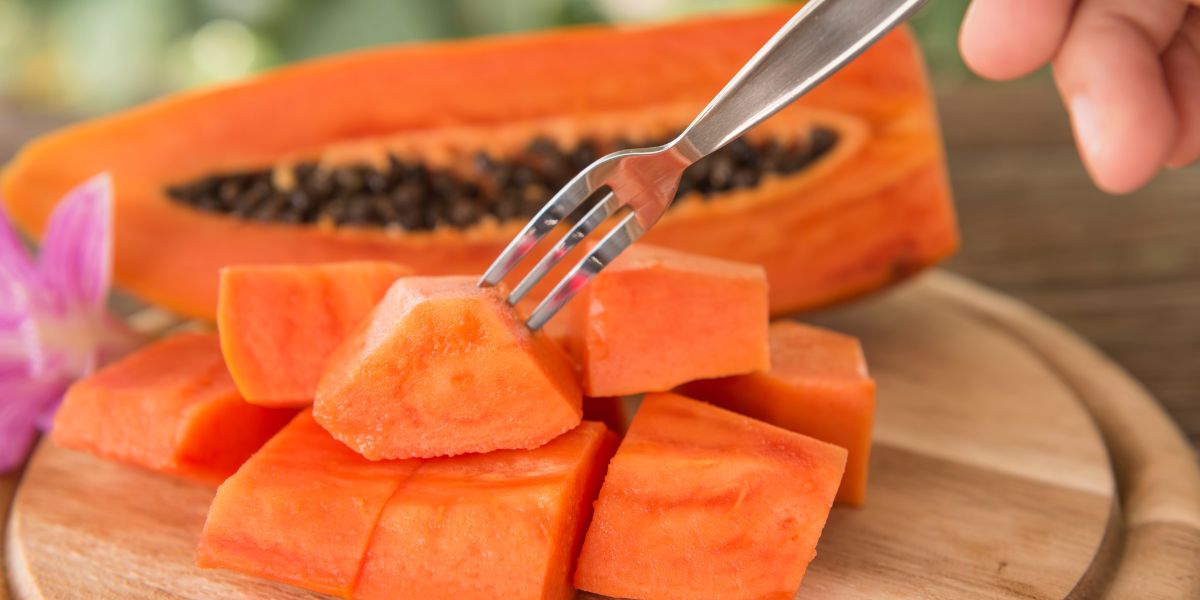
Is Papaya Good for Diabetes?
Diabetes is a condition where the body struggles to manage blood sugar levels, either due to insufficient insulin production (type 1) or ineffective insulin use (type 2). With millions of people in India affected by diabetes, many seek natural remedies to complement medical treatments. Papaya, a tropical fruit widely grown in India, is often praised for its health benefits.
But is it good for diabetes? This article explores papaya’s nutritional profile, its effects on blood sugar, supporting Indian research, and precautions.
Understanding Diabetes and Diet
Diabetes is a disease that has to be carefully handled with a diet to maintain blood sugar. Foods that do not cause a sudden increase in blood sugar are the best because sudden increases aggravate diabetes. Especially, fruits need to be selected reasonably.
The glycemic index (GI) is a measure of the rate of increase in blood sugar of a food. Foods with low GI (less than 55) are healthier in diabetes; meanwhile, medium-GI foods (5569) are safe to eat moderately.
The GI of papaya is approximately 60, which is a medium-GI fruit, though the fruit contains a lot of fibre, which slows down sugar absorption, so it is safe provided one eats it in moderate amounts.
Diabetes management using a balanced diet containing fibre, antioxidants, and low-calorie foods helps in increasing insulin sensitivity and decreasing complications such as heart disease.
Nutritional Profile of Papaya
Papaya is packed with nutrients that can benefit people with diabetes. A 100-gram serving of ripe papaya contains:
- Calories: 43 kcal (low, suitable for weight control)
- Carbohydrates: 11 grams (mostly natural sugars and fibre)
- Fibre: 1.7 grams (aids digestion and slows sugar absorption)
- Vitamin C: 61 mg (over 100% of daily needs, fights inflammation)
- Vitamin A: 950 IU (supports eye health, vital for diabetics)
- Folate: 37 mcg (helps energy levels)
- Potassium: 182 mg (controls blood pressure)
- Antioxidants: Beta-carotene and lycopene (protect cells from damage)
The high water content (88%) keeps you full without adding calories, aiding weight management. Papaya has negligible fat (0.3 grams) and no cholesterol, supporting heart health, which is crucial since diabetes increases heart disease risk.
The fibre includes both soluble (slows sugar absorption) and insoluble (improves digestion) types, making papaya a digestion-friendly fruit.
How Papaya Supports Diabetes Management
Papaya helps manage diabetes in several ways, thanks to its unique properties:
1. Low to Medium Glycemic Index
Papaya’s GI of 60 means it raises blood sugar gradually, especially when paired with its fibre. For example, eating half a small papaya (about 150 grams) provides sweetness without causing sharp sugar spikes, unlike high-GI foods like white bread (GI ~75).
2. High Fibre Content
Fibre is a key player in diabetes control. Soluble fibre forms a gel in the stomach, slowing carbohydrate breakdown and sugar release into the blood. Insoluble fibre promotes regular bowel movements, preventing digestive issues common in diabetes.
A 150-gram serving of papaya offers about 2.5 grams of fibre, contributing to daily needs.
3. Rich in Antioxidants
Diabetes increases oxidative stress, where harmful molecules (free radicals) damage cells, including those that produce insulin. Papaya’s antioxidants, like vitamin C and beta-carotene, neutralise free radicals.
For instance, 100 grams of papaya provides 61 mg of vitamin C, which reduces inflammation and supports insulin function by protecting pancreatic cells.
4. Improves Insulin Sensitivity
Papaya may enhance how the body uses insulin. Compounds in papaya, especially in its leaves and seeds, increase insulin receptor activity and glucose transporter proteins (GLUT4), which move sugar into cells.
Better insulin sensitivity means lower blood sugar levels.
5. Supports Weight Management
Excess weight worsens insulin resistance. Papaya’s low calories (43 kcal per 100 grams) and high fibre make it filling, reducing the urge to eat sugary snacks.
Maintaining a healthy weight improves diabetes control.
6. Anti-Inflammatory Properties
Chronic inflammation in diabetes can lead to complications like nerve damage. Papaya contains enzymes like papain and chymopapain, which reduce inflammation.
Lower inflammation improves insulin response and overall health.
7. Aids Digestion
Papain, an enzyme in papaya, helps break down proteins, improving digestion. A healthy gut prevents rapid sugar absorption, stabilising blood sugar.
Papaya’s water and fibre also support regular digestion, reducing bloating or constipation.
8. Regulates Liver Sugar Production
In type 2 diabetes, the liver often produces excess glucose. Some compounds in papaya may inhibit enzymes that trigger this, helping maintain balanced blood sugar.
9. Benefits of Papaya Seeds and Leaves
Papaya seeds contain alkaloids that inhibit carbohydrate-digesting enzymes (alpha-amylase and alpha-glucosidase), slowing sugar release.
This mimics the action of some diabetes medications. Papaya leaf tea, used in traditional Indian medicine, has hypoglycemic (sugar-lowering) effects.
What Research Says About Papaya and Diabetes
India, with over 77 million diabetes cases, has explored papaya’s potential through scientific studies. Below are key findings with links to the research:
- Study on Papaya Leaf Extract (Chennai, Tamil Nadu): A 2022 study at Saveetha Dental College tested papaya leaf extract on diabetic rats. At 600 mg/kg for 45 days, it lowered blood glucose, improved insulin levels, and enhanced lipid profiles. It increased insulin receptor and GLUT4 proteins, reducing insulin resistance.
- Review of Papaya’s Medicinal Properties (Nirma University, Gujarat): A comprehensive review highlighted papaya’s anti-diabetic effects due to flavonoids and alkaloids. It noted improved blood sugar control and reduced complications, supporting its use in Ayurveda.
- Antioxidant Study (Guru Ghasidas Vishwavidyalaya, Chhattisgarh): This study found papaya leaves rich in polyphenols like kaempferol, which combat oxidative stress in diabetes. These antioxidants may lower blood sugar and protect against complications.
- Papaya Seeds and Heart Health (Maharashtra Animal and Fishery Sciences University, Nagpur): A thesis explored papaya seeds’ effects on heart parameters but noted their hypoglycemic activity. Seeds lowered lipids, benefiting diabetic heart health.
These studies, while often on animals or theoretical, suggest papaya’s potential for human diabetes management. More clinical trials on humans are needed for more substantial evidence.
Precautions When Consuming Papaya
While papaya is generally safe, consider these precautions:
- Portion Control: Overeating papaya can increase sugar intake due to its natural fructose. Stick to 100–150 grams (half a small papaya) per serving.
- Unripe Papaya: Contains latex, which may cause allergies or stomach upset. Pregnant women should avoid it due to possible uterine contractions.
- Medication Interactions: Papaya’s sugar-lowering effects may add to diabetes medications, risking low blood sugar (hypoglycemia). Monitor levels and consult a doctor.
- Seeds and Leaves: Seeds are bitter; start with small amounts. Leaf tea should be consumed in moderation to avoid side effects like nausea.
- Allergies: Rare, but some may be allergic to papaya, especially its latex.
How to Include Papaya in a Diabetic Diet
To safely enjoy papaya:
- Eat Ripe Papaya: Choose bright orange, soft fruits for sweetness and nutrients.
- Portion Size: Half a small papaya (150 grams) as a snack or with meals.
- Pair Wisely: Combine with protein (e.g., yoghurt) or healthy fats (e.g., nuts) to further slow sugar absorption.
- Try Seeds or Leaves: Sprinkle a few crushed seeds on salads or sip papaya leaf tea (consult a doctor first).
- Avoid Juices: Papaya juice removes fibre, causing faster sugar spikes.
Conclusion
Papaya is a nutritious, diabetes-friendly fruit when consumed in moderation. It's low to medium GI, high fibre, antioxidants, and enzymes like papain help control blood sugar, reduce inflammation, and support overall health.
Indian studies, such as those from Chennai and Gujarat, confirm papaya’s potential in lowering glucose and improving insulin sensitivity. However, portion control and medical advice are key to avoiding risks. Adding papaya to a balanced diet, alongside exercise and medication, can support diabetes management naturally.
References:
1. Study on Papaya Leaf Extract (Chennai, Tamil Nadu)
https://pmc.ncbi.nlm.nih.gov/articles/PMC9598374/
2. Review of Papaya’s Medicinal Properties (Nirma University, Gujarat)
https://repository.nirmauni.ac.in/jspui/bitstream/123456789/1084/1/5.pdf
3. Antioxidant Study (Guru Ghasidas Vishwavidyalaya, Chhattisgarh)
https://onlinelibrary.wiley.com/doi/10.1155/2022/2451733
4. Papaya Seeds and Heart Health (Maharashtra Animal and Fishery Sciences University, Nagpur)
Written by

Zanducare
India’s trusted name in Ayurvedic wellness, offering time-tested solutions for today’s health and lifestyle needs. With formulations rooted in classical Ayurvedic texts and crafted using pure natural ingredients, we bring holistic care into your everyday routine.
Research by


%20or%20ineffective%20insulin%20use%20(type%202).%20With%20millions%20of%20people%20in...)
Leave a comment
This site is protected by hCaptcha and the hCaptcha Privacy Policy and Terms of Service apply.