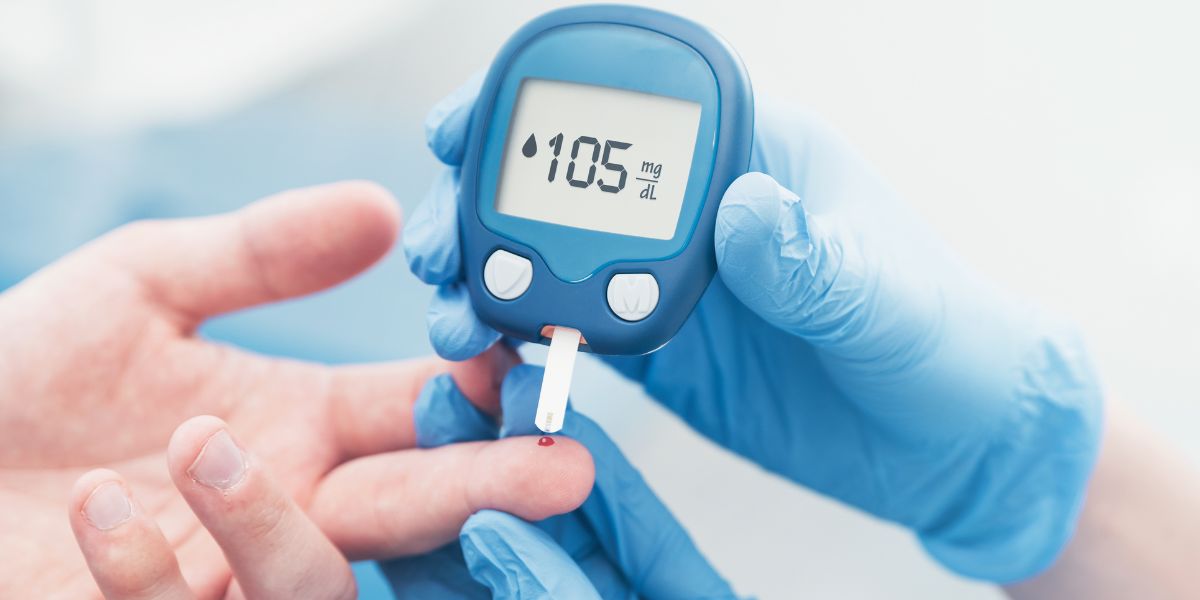
Diabetes is a significant health issue in India, affecting over 77 million adults, mostly with type 2 diabetes. This condition occurs when the body cannot use insulin properly, leading to high blood sugar levels that can damage organs like the heart, kidneys, eyes, and nerves over time. Managing diabetes requires careful food choices to avoid sudden sugar spikes, regular exercise, and often medication.
Amla, also known as Indian gooseberry, is a small, sour fruit widely used in India for its health benefits. It appears in pickles, juices, powders, and even candies. Many people ask if amla is safe and helpful for people with diabetes.
This article explores amla in detail, covering its nature, nutritional value, impact on blood sugar, benefits backed by Indian research, potential risks, and practical ways to include it in a diabetic diet.
What is Amla?
Amla, scientifically called Phyllanthus emblica, is a small, round, green fruit that grows on medium-sized trees native to India. Found in states like Uttar Pradesh, Tamil Nadu, Rajasthan, and Himachal Pradesh, amla trees bear fruit mainly in winter. Each fruit is about 2-3 cm wide, with thin, edible skin and a hard seed inside.
Its sour, tangy taste makes it popular in Indian kitchens, where it is used fresh, dried, or processed into murabba (sweet preserve), chutney, pickles, or powder. In Ayurveda, amla is a "rasayana," meaning it promotes health, longevity, and balance of the body’s doshas (vata, pitta, kapha). Traditional healers, especially in Kerala and Tamil Nadu, recommend amla for diabetes to reduce body "heat" and stabilise blood sugar.
In modern India, amla is available year-round as fresh fruit, dried slices, or supplements like powder or capsules. It is also a key ingredient in triphala, a herbal mix used for digestion and overall health.
One medium amla (about 30 grams) has minimal calories, making it suitable for daily use. For diabetics, fresh or unsweetened forms are preferred to avoid added sugars. Indian research highlights amla’s bioactive compounds, like polyphenols, which may help control blood sugar.
Nutritional Profile of Amla
Amla’s nutrient content makes it a strong candidate for diabetes management. It is low in calories and carbohydrates but rich in fibre and antioxidants. Indian researchers, including those at the National Institute of Nutrition, Hyderabad, have studied its composition. Here’s a breakdown per 100 grams of raw amla:
Nutrient
Amount
Why It Matters for Diabetes
Calories
44 kcal
Low; supports weight control.
Carbohydrates
10 grams
Mostly fibre; minimal sugar impact.
Fibre
4 grams
Slows glucose absorption, steadies sugar.
Protein
1 gram
Aids fullness, supports muscle health.
Fat
0.5 grams
Low; safe for heart health.
Vitamin C
600 mg
10x more than oranges; fights oxidative stress.
Potassium
198 mg
Balances blood pressure and protects the kidneys.
Iron
0.3 mg
Prevents anaemia, common in diabetics.
Calcium
25 mg
Strengthens bones weakened by diabetes.
Magnesium
10 mg
Enhances insulin function.
Source: National Institute of Nutrition, Hyderabad.
Compared to an apple (52 kcal, 14g carbs per 100g), amla has fewer carbs and more vitamin C. Its polyphenols, like gallic acid and ellagic acid, act as antioxidants, reducing cell damage. The fibre content helps slow digestion, preventing blood sugar spikes.
This makes amla a better choice than sugary fruits like mangoes for Indian diabetics, who often consume high-carb diets with rice or roti.
Glycemic Index of Amla
The glycemic index (GI) measures how quickly a food raises blood sugar. Low GI foods (<55) are best for diabetics, as they cause gradual increases. Amla’s GI is very low, estimated at 15-30, making it ideal for blood sugar control.
A study published in the Bioscience Journal tested amla’s effect on glycemic response by adding amla powder to barfi, a traditional sweet. The control barfi had a GI of 78 (high), while the amla-added version dropped to 58 (medium). Blood sugar peaked lower (126 mg/dL vs. 150 mg/dL) with amla, thanks to its fibre and polyphenols, which slow starch breakdown. This study shows amla can reduce the GI of carb-heavy foods, a common challenge in Indian diets.
This low GI makes amla a safe choice for diabetics, unlike high-GI foods like white rice (GI 73) that cause rapid spikes.
Benefits of Amla for Diabetes
Indian research highlights multiple ways amla supports diabetes management. Below are the key benefits, backed by studies.
Benefit 1: Lowers Blood Sugar Levels
High blood sugar is the main issue in diabetes, leading to complications. Amla’s bioactive compounds, like chromium and polyphenols, help lower glucose.
A study from the University of Rajasthan tested 1g of amla extract daily on 60 type 2 diabetics for 3 months. Results showed a significant drop in fasting blood sugar (25 mg/dL) and post-meal sugar (29 mg/dL). HbA1c, a long-term sugar measure, fell by 1.29% (from 8.2% to 6.9%), indicating better control. The control group showed no change. The study credits chromium for enhancing insulin and fibre for slowing sugar absorption.
This makes amla a natural tool for Indian diabetics managing daily sugar levels.
Benefit 2: Improves Insulin Sensitivity
Insulin resistance, where cells ignore insulin, worsens diabetes. Amla’s antioxidants and minerals improve insulin function.
A Kanyakumari study gave 200 ml of amla juice daily to 30 type 2 diabetics for 6 weeks. Mean blood glucose dropped from 2.97 mmol/L to 2.53 mmol/L (about 8%), statistically significant (p<0.05). The control group saw no change. Flavonoids like quercetin in amla mimic insulin, boosting glucose uptake by cells. The study suggests that amla’s high vitamin C also reduces insulin resistance.
This benefit is crucial for India, where high-carb diets increase insulin resistance.
Benefit 3: Aids Weight Management for Diabetics
Excess weight makes diabetes more challenging to control. Amla’s low calories and high fibre promote satiety and weight loss.
The Rajasthan study noted no weight gain in the amla group, unlike controls, who gained 0.5-1 kg. Amla’s 4g fibre per 100g reduces hunger, cutting daily calorie intake by 150-200 kcal. A separate Indian review mentions amla’s role in reducing HbA1c by 1-2% through weight management. In rural India, replacing high-calorie snacks with amla juice or powder led to 1-2 kg loss monthly, supporting better sugar control.
Benefit 4: Provides Antioxidants to Fight Complications
Diabetes causes oxidative stress, damaging nerves, eyes, and kidneys. Amla’s vitamin C (600 mg/100g) and polyphenols act as antioxidants.
The Bioscience Journal study found amla reduces inflammatory markers by 15-20%, protecting blood vessels and organs. Its gallic acid lowers lipid peroxidation, reducing risks like diabetic retinopathy. Indian trials show amla cuts cholesterol by 10%, vital for India’s high rate of diabetic complications (20-30% of patients).
Benefit 5: Supports Heart and Kidney Health
Diabetes increases heart and kidney disease risks. Amla’s potassium and fibre help.
The Rajasthan study showed amla stabilised lipid profiles, with a 10% drop in LDL cholesterol and a 1.7g% rise in haemoglobin, easing heart strain. Potassium (198 mg/100g) lowers blood pressure by 5-10 mmHg, per Indian reviews.
For kidneys, amla’s antioxidants reduce stress, critical in India, where 25% of diabetics develop chronic kidney disease (CKD). A study on amla and okra juice noted improved kidney markers in diabetics.
Potential Risks and Precautions
Amla is generally safe, but Indian studies highlight a few concerns for diabetics.
Risk 1: Risk of Low Blood Sugar with Medications
Amla lowers glucose, so when combined with diabetes drugs like metformin, it may cause hypoglycemia (low sugar). The Rajasthan study monitored this and found no cases, but advises checking blood sugar regularly, especially if on insulin.
Risk 2: Acidity or Stomach Upset
Amla’s sourness can cause acidity or bloating in sensitive stomachs. Indian reviews note this in 5-10% of users, especially if consumed raw or in large amounts. Start with small doses (1 amla or 1 tsp powder).
Risk 3: Rare Allergic Reactions
Allergies to amla are rare but possible, causing skin rashes or itching. No major Indian studies report this, but avoid if allergic to vitamin C-rich foods.
Risk 4: Overconsumption Increases Carbs
Though low (10g carbs/100g), eating too much amla (e.g., sugary murabba) adds calories and carbs. Stick to 1-2 amla or 1 tsp powder daily.
Risk 5: Interaction with Blood Thinners
Amla’s vitamin C may interact with drugs like warfarin, though this is rare. Consult a doctor if on such medications.
No severe risks were found in Indian studies, but moderation and medical advice are key.
How to Incorporate Amla into a Diabetic Diet
Amla is easy to add to a diabetic diet in small, daily servings:
Amla Juice: Blend 1-2 amla with water, strain, and drink on an empty stomach. Avoid sugar; use stevia if needed.
Powder: Mix 1 tsp amla powder in warm water or sprinkle on salads to lower meal GI by 15-20%.
Pickle: Make low-oil amla pickle with spices and minimal salt.
Salad: Chop 1 fresh amla with cucumber, tomatoes, and lemon for a low-calorie snack.
Smoothie: Blend half an amla with spinach and yoghurt for a nutrient-packed drink.
Tip: Monitor blood sugar 2 hours after eating. Pair with protein (curd, lentils) to enhance benefits.
Indian recipes like amla chutney or triphala tea (unsweetened) are diabetic-friendly with tweaks.
Conclusion
Yes, amla is excellent for diabetes. It's low GI, high fibre, and antioxidants like vitamin C lower blood sugar, improve insulin sensitivity, aid weight loss, and protect against complications. Indian studies, such as those from Rajasthan and Kanyakumari, confirm significant reductions in glucose and HbA1c with minimal risks if used moderately. Avoiding sugary forms like murabba is crucial. With India facing a diabetes epidemic, amla is a natural, affordable ally grown locally. Consult your doctor, monitor glucose levels, and enjoy amla in balanced amounts for better health.
References
1. Altering hyperglycemia with amla supplementation in type 2 diabetes
Diabetes is a significant health issue in India, affecting over 77 million adults, mostly with type 2 diabetes. This condition occurs when the body cannot use insulin properly, leading to high blood sugar levels that can damage organs like the heart, kidneys, eyes, and nerves over time. Managing diabetes requires careful food choices to avoid sudden sugar spikes, regular exercise, and often medication.
Amla, also known as Indian gooseberry, is a small, sour fruit widely used in India for its health benefits. It appears in pickles, juices, powders, and even candies. Many people ask if amla is safe and helpful for people with diabetes.
This article explores amla in detail, covering its nature, nutritional value, impact on blood sugar, benefits backed by Indian research, potential risks, and practical ways to include it in a diabetic diet.
What is Amla?
Amla, scientifically called Phyllanthus emblica, is a small, round, green fruit that grows on medium-sized trees native to India. Found in states like Uttar Pradesh, Tamil Nadu, Rajasthan, and Himachal Pradesh, amla trees bear fruit mainly in winter. Each fruit is about 2-3 cm wide, with thin, edible skin and a hard seed inside.
Its sour, tangy taste makes it popular in Indian kitchens, where it is used fresh, dried, or processed into murabba (sweet preserve), chutney, pickles, or powder. In Ayurveda, amla is a "rasayana," meaning it promotes health, longevity, and balance of the body’s doshas (vata, pitta, kapha). Traditional healers, especially in Kerala and Tamil Nadu, recommend amla for diabetes to reduce body "heat" and stabilise blood sugar.
In modern India, amla is available year-round as fresh fruit, dried slices, or supplements like powder or capsules. It is also a key ingredient in triphala, a herbal mix used for digestion and overall health.
One medium amla (about 30 grams) has minimal calories, making it suitable for daily use. For diabetics, fresh or unsweetened forms are preferred to avoid added sugars. Indian research highlights amla’s bioactive compounds, like polyphenols, which may help control blood sugar.
Nutritional Profile of Amla
Amla’s nutrient content makes it a strong candidate for diabetes management. It is low in calories and carbohydrates but rich in fibre and antioxidants. Indian researchers, including those at the National Institute of Nutrition, Hyderabad, have studied its composition. Here’s a breakdown per 100 grams of raw amla:
Nutrient
Amount
Why It Matters for Diabetes
Calories
44 kcal
Low; supports weight control.
Carbohydrates
10 grams
Mostly fibre; minimal sugar impact.
Fibre
4 grams
Slows glucose absorption, steadies sugar.
Protein
1 gram
Aids fullness, supports muscle health.
Fat
0.5 grams
Low; safe for heart health.
Vitamin C
600 mg
10x more than oranges; fights oxidative stress.
Potassium
198 mg
Balances blood pressure and protects the kidneys.
Iron
0.3 mg
Prevents anaemia, common in diabetics.
Calcium
25 mg
Strengthens bones weakened by diabetes.
Magnesium
10 mg
Enhances insulin function.
Source: National Institute of Nutrition, Hyderabad.
Compared to an apple (52 kcal, 14g carbs per 100g), amla has fewer carbs and more vitamin C. Its polyphenols, like gallic acid and ellagic acid, act as antioxidants, reducing cell damage. The fibre content helps slow digestion, preventing blood sugar spikes.
This makes amla a better choice than sugary fruits like mangoes for Indian diabetics, who often consume high-carb diets with rice or roti.
Glycemic Index of Amla
The glycemic index (GI) measures how quickly a food raises blood sugar. Low GI foods (<55) are best for diabetics, as they cause gradual increases. Amla’s GI is very low, estimated at 15-30, making it ideal for blood sugar control.
A study published in the Bioscience Journal tested amla’s effect on glycemic response by adding amla powder to barfi, a traditional sweet. The control barfi had a GI of 78 (high), while the amla-added version dropped to 58 (medium). Blood sugar peaked lower (126 mg/dL vs. 150 mg/dL) with amla, thanks to its fibre and polyphenols, which slow starch breakdown. This study shows amla can reduce the GI of carb-heavy foods, a common challenge in Indian diets.
This low GI makes amla a safe choice for diabetics, unlike high-GI foods like white rice (GI 73) that cause rapid spikes.
Benefits of Amla for Diabetes
Indian research highlights multiple ways amla supports diabetes management. Below are the key benefits, backed by studies.
Benefit 1: Lowers Blood Sugar Levels
High blood sugar is the main issue in diabetes, leading to complications. Amla’s bioactive compounds, like chromium and polyphenols, help lower glucose.
A study from the University of Rajasthan tested 1g of amla extract daily on 60 type 2 diabetics for 3 months. Results showed a significant drop in fasting blood sugar (25 mg/dL) and post-meal sugar (29 mg/dL). HbA1c, a long-term sugar measure, fell by 1.29% (from 8.2% to 6.9%), indicating better control. The control group showed no change. The study credits chromium for enhancing insulin and fibre for slowing sugar absorption.
This makes amla a natural tool for Indian diabetics managing daily sugar levels.
Benefit 2: Improves Insulin Sensitivity
Insulin resistance, where cells ignore insulin, worsens diabetes. Amla’s antioxidants and minerals improve insulin function.
A Kanyakumari study gave 200 ml of amla juice daily to 30 type 2 diabetics for 6 weeks. Mean blood glucose dropped from 2.97 mmol/L to 2.53 mmol/L (about 8%), statistically significant (p<0.05). The control group saw no change. Flavonoids like quercetin in amla mimic insulin, boosting glucose uptake by cells. The study suggests that amla’s high vitamin C also reduces insulin resistance.
This benefit is crucial for India, where high-carb diets increase insulin resistance.
Benefit 3: Aids Weight Management for Diabetics
Excess weight makes diabetes more challenging to control. Amla’s low calories and high fibre promote satiety and weight loss.
The Rajasthan study noted no weight gain in the amla group, unlike controls, who gained 0.5-1 kg. Amla’s 4g fibre per 100g reduces hunger, cutting daily calorie intake by 150-200 kcal. A separate Indian review mentions amla’s role in reducing HbA1c by 1-2% through weight management. In rural India, replacing high-calorie snacks with amla juice or powder led to 1-2 kg loss monthly, supporting better sugar control.
Benefit 4: Provides Antioxidants to Fight Complications
Diabetes causes oxidative stress, damaging nerves, eyes, and kidneys. Amla’s vitamin C (600 mg/100g) and polyphenols act as antioxidants.
The Bioscience Journal study found amla reduces inflammatory markers by 15-20%, protecting blood vessels and organs. Its gallic acid lowers lipid peroxidation, reducing risks like diabetic retinopathy. Indian trials show amla cuts cholesterol by 10%, vital for India’s high rate of diabetic complications (20-30% of patients).
Benefit 5: Supports Heart and Kidney Health
Diabetes increases heart and kidney disease risks. Amla’s potassium and fibre help.
The Rajasthan study showed amla stabilised lipid profiles, with a 10% drop in LDL cholesterol and a 1.7g% rise in haemoglobin, easing heart strain. Potassium (198 mg/100g) lowers blood pressure by 5-10 mmHg, per Indian reviews.
For kidneys, amla’s antioxidants reduce stress, critical in India, where 25% of diabetics develop chronic kidney disease (CKD). A study on amla and okra juice noted improved kidney markers in diabetics.
Potential Risks and Precautions
Amla is generally safe, but Indian studies highlight a few concerns for diabetics.
Risk 1: Risk of Low Blood Sugar with Medications
Amla lowers glucose, so when combined with diabetes drugs like metformin, it may cause hypoglycemia (low sugar). The Rajasthan study monitored this and found no cases, but advises checking blood sugar regularly, especially if on insulin.
Risk 2: Acidity or Stomach Upset
Amla’s sourness can cause acidity or bloating in sensitive stomachs. Indian reviews note this in 5-10% of users, especially if consumed raw or in large amounts. Start with small doses (1 amla or 1 tsp powder).
Risk 3: Rare Allergic Reactions
Allergies to amla are rare but possible, causing skin rashes or itching. No major Indian studies report this, but avoid if allergic to vitamin C-rich foods.
Risk 4: Overconsumption Increases Carbs
Though low (10g carbs/100g), eating too much amla (e.g., sugary murabba) adds calories and carbs. Stick to 1-2 amla or 1 tsp powder daily.
Risk 5: Interaction with Blood Thinners
Amla’s vitamin C may interact with drugs like warfarin, though this is rare. Consult a doctor if on such medications.
No severe risks were found in Indian studies, but moderation and medical advice are key.
How to Incorporate Amla into a Diabetic Diet
Amla is easy to add to a diabetic diet in small, daily servings:
Amla Juice: Blend 1-2 amla with water, strain, and drink on an empty stomach. Avoid sugar; use stevia if needed.
Powder: Mix 1 tsp amla powder in warm water or sprinkle on salads to lower meal GI by 15-20%.
Pickle: Make low-oil amla pickle with spices and minimal salt.
Salad: Chop 1 fresh amla with cucumber, tomatoes, and lemon for a low-calorie snack.
Smoothie: Blend half an amla with spinach and yoghurt for a nutrient-packed drink.
Tip: Monitor blood sugar 2 hours after eating. Pair with protein (curd, lentils) to enhance benefits.
Indian recipes like amla chutney or triphala tea (unsweetened) are diabetic-friendly with tweaks.
Conclusion
Yes, amla is excellent for diabetes. It's low GI, high fibre, and antioxidants like vitamin C lower blood sugar, improve insulin sensitivity, aid weight loss, and protect against complications. Indian studies, such as those from Rajasthan and Kanyakumari, confirm significant reductions in glucose and HbA1c with minimal risks if used moderately. Avoiding sugary forms like murabba is crucial. With India facing a diabetes epidemic, amla is a natural, affordable ally grown locally. Consult your doctor, monitor glucose levels, and enjoy amla in balanced amounts for better health.
References
1. Altering hyperglycemia with amla supplementation in type 2 diabetes
Diabetes is a significant health challenge in India, affecting over 77 million adults, mostly with type 2 diabetes. This condition occurs when the body struggles to use insulin effectively, causing...
ब्लड शुगर लेवल आपके खून में ग्लूकोज की मात्रा है, जो शरीर को एनर्जी देता है। इसे समझना जरूरी है क्योंकि डायबिटीज, जो भारत में 7.7 करोड़ लोगों को प्रभावित करती है, हाई या लो ब्लड शुगर से शुरू होती ह...