Top Foods That Help Muscle Recovery After Exercise
Exercise, whether strength training, yoga, or running, stresses the muscles. This stress is positive, as it triggers adaptation, but it also causes micro-tears in muscle fibres. To heal these, the body needs proper nutrition along with rest and hydration. The right foods speed up muscle recovery, reduce soreness, and prepare you for your next workout.
In India, we have an advantage; many traditional vegetarian foods naturally contain the protein, carbs, antioxidants, and minerals that science shows are essential for post-exercise healing. Several Indian studies also confirm the benefits of these everyday foods.
Let’s look at the top vegetarian foods that support muscle recovery after exercise.
1. Soy and Tofu – Plant Protein for Recovery
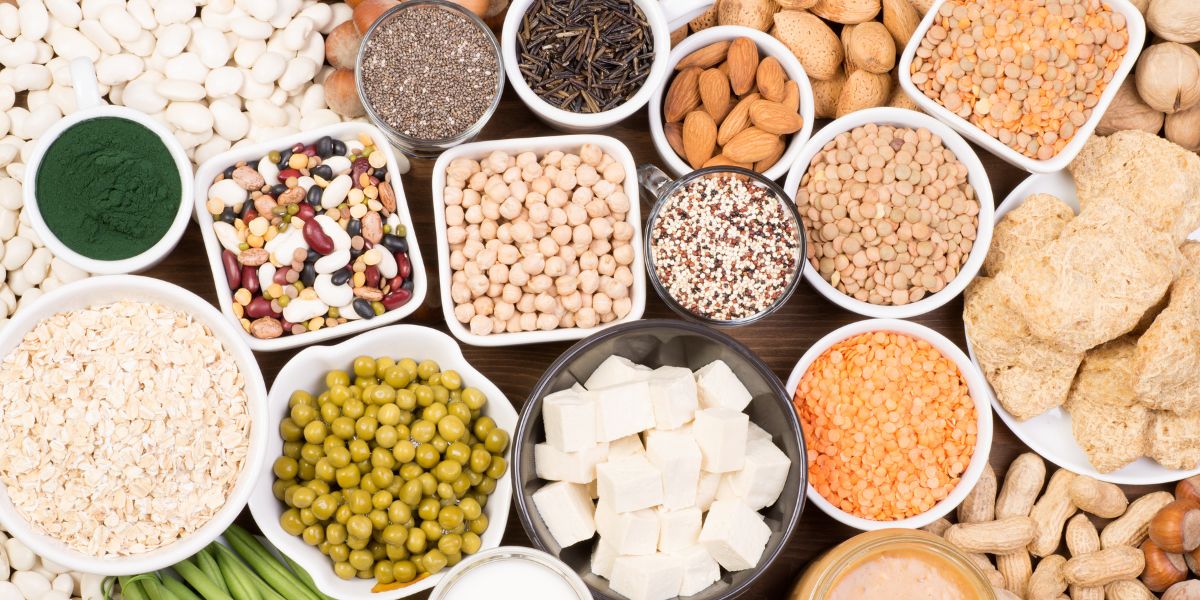
Soy and its products, like tofu and soy milk, are excellent vegetarian alternatives to eggs. Soy protein is one of the few plant proteins that contains all nine essential amino acids, making it highly effective for repairing muscle fibres. Tofu, made from soybeans, is also rich in calcium, which supports bone health alongside muscle recovery.
Indian Research: A study published by the Indian Journal of Endocrinology and Metabolism (2018) highlighted soy protein’s benefits for muscle health and recovery in vegetarian populations.
How to Eat: Grilled tofu, soy milk smoothies, or adding soy chunks to curries can provide a complete protein-rich post-workout meal.
2. Curd (Yoghurt) – Probiotic and Protein
Curd is an excellent recovery food because it combines protein with probiotics. Protein aids repair, while probiotics improve digestion and nutrient absorption. When paired with fruits, curd also provides carbohydrates to replenish glycogen.
Benefits: Reduces muscle soreness, improves digestion, and prevents inflammation
Indian Research: The National Dairy Research Institute (2020) reported that curd improves immunity and recovery after physical strain.
How to Eat: A bowl of curd with banana, apple, or seasonal fruits is ideal after workouts.
3. Lentils and Chickpeas – Plant-Based Protein Power
For vegetarians, pulses are indispensable. Lentils, chickpeas, and rajma provide protein as well as fibre, iron, and zinc. These support both recovery and overall energy.
Indian Research: The Indian Journal of Nutrition (2018) highlighted that pulses effectively meet the protein needs of active individuals.
How to Eat: A bowl of dal, sprouted moong, or chickpea salad post-exercise ensures steady recovery.
4. Milk and Paneer – Traditional Recovery Foods
Milk is a complete recovery drink. It contains whey protein, which digests quickly, and casein, which digests slowly, ensuring both immediate and long-lasting repair. Paneer is rich in casein, making it perfect for overnight recovery.
Nutrients: Whey protein, Casein, Calcium
Benefits: Strengthens muscles, improves bone health, reduces soreness
Indian Research: A 2017 National Institute of Nutrition study showed that milk protein boosts recovery in young Indian athletes.
How to Eat: A glass of milk post-exercise or paneer bhurji for dinner provides balanced recovery.
5. Bananas – Natural Electrolyte and Energy Booster
Bananas are nature’s instant recovery snack. They provide quick-digesting carbs to restore glycogen and potassium to prevent cramps.
Nutrients: Potassium, Vitamin B6, Natural Sugars
Benefits: Prevents cramps, restores glycogen, improves energy levels
Indian Research: Sports Authority of India (2015) recommended bananas as an effective and accessible post-training snack.
How to Eat: Eat one or two bananas immediately after a workout, or blend them into a shake.
6. Turmeric Milk – Anti-Inflammatory Healer
Turmeric milk, or golden milk, is a time-tested Indian remedy. Curcumin in turmeric has anti-inflammatory properties that reduce pain and swelling. Combined with milk’s protein, it becomes a complete recovery drink.
Indian Research: AIIMS (2016) published results showing curcumin reduces post-exercise inflammation.
How to Eat: A warm glass of turmeric milk at night aids both muscle recovery and sleep.
7. Nuts and Seeds – Healthy Fats and Protein
Almonds, walnuts, flaxseeds, and chia seeds are small but powerful. They combine protein, magnesium, and omega-3 fatty acids to fight inflammation and repair tissues.
Benefits: Reduces soreness, repairs micro-tears, boosts focus and stamina
Indian Research: The Indian Council of Medical Research (2020) advised daily nut and seed consumption to improve athletic performance and recovery.
How to Eat: A handful of nuts or chia seed pudding is a perfect post-exercise snack.
8. Sweet Potatoes – Complex Carbohydrate Support
Sweet potatoes provide slow-releasing carbs, restoring glycogen gradually. They are also packed with antioxidants like beta-carotene, which protect against exercise-induced oxidative stress.
Indian Research: Tata Memorial Centre (2017) found green tea catechins support recovery and reduce oxidative damage.
How to Eat: Drink a cup of green tea an hour after your workout for best results.
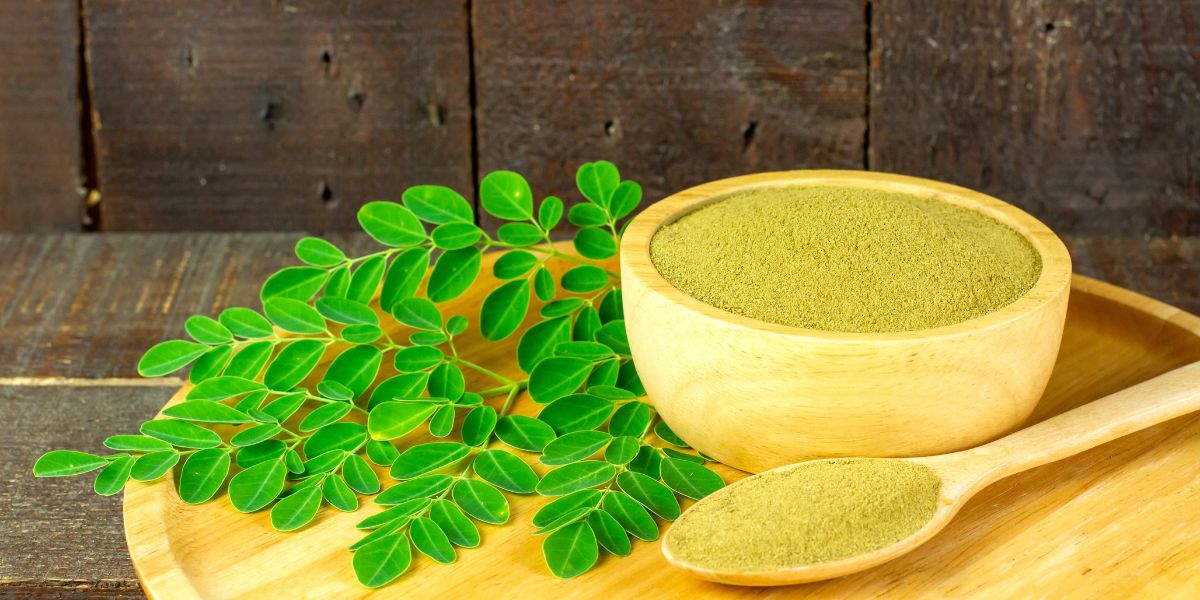
10. Leafy Greens – Iron and Recovery Minerals
Spinach, kale, and moringa leaves are rich in iron, folate, and antioxidants. They improve oxygen supply to muscles, reduce fatigue, and promote cellular repair.
Indian Research: An American Journal of Clinical Nutrition (2010) study cited Indian data showing that leafy greens improve haemoglobin and energy metabolism.
How to Eat: Add spinach to dal, moringa to soups, or kale to smoothies.
Conclusion
Muscle recovery depends as much on food as it does on rest. Choosing the right vegetarian foods like eggs, curd, lentils, milk, bananas, turmeric, nuts, sweet potatoes, green tea, and leafy greens ensures faster repair, reduced soreness, and better long-term performance.
Indian studies back these choices, proving that traditional diets already hold the key to effective recovery. By adopting these foods into daily routines, fitness enthusiasts and athletes can strengthen muscles, improve stamina, and avoid injuries.
FAQs
1. Are vegetarian foods enough for muscle recovery?
Yes, foods like lentils, curd, paneer, nuts, and leafy greens provide all the nutrients needed for recovery when consumed in balance.
2. When should recovery foods be eaten after exercise?
The best time is within 30–60 minutes after a workout, when muscles absorb nutrients most efficiently.
3. Does turmeric milk really reduce soreness?
Yes, Indian research has confirmed that curcumin in turmeric lowers inflammation and speeds muscle healing.
4. Should protein shakes be replaced with natural foods?
Natural vegetarian foods like eggs, paneer, and pulses can provide enough protein. Shakes are optional, not mandatory.
5. How much protein do vegetarians need for recovery?
Generally 1.2–2 grams per kg of body weight daily, depending on activity level, is sufficient for recovery and growth.
Reference:
1. Asian Journal of Sports Medicine found that isolated soy protein supplementation reduced exercise-induced muscle damage and enhanced recovery in well-trained athletes.
2. The National Institute of Nutrition highlighted that milk protein enhances recovery in young Indian athletes, emphasizing its role in muscle repair.
Exercise, whether strength training, yoga, or running, stresses the muscles. This stress is positive, as it triggers adaptation, but it also causes micro-tears in muscle fibres. To heal these, the body needs proper nutrition along with rest and hydration. The right foods speed up muscle recovery, reduce soreness, and prepare you for your next workout.
In India, we have an advantage; many traditional vegetarian foods naturally contain the protein, carbs, antioxidants, and minerals that science shows are essential for post-exercise healing. Several Indian studies also confirm the benefits of these everyday foods.
Let’s look at the top vegetarian foods that support muscle recovery after exercise.
1. Soy and Tofu – Plant Protein for Recovery
Soy and its products, like tofu and soy milk, are excellent vegetarian alternatives to eggs. Soy protein is one of the few plant proteins that contains all nine essential amino acids, making it highly effective for repairing muscle fibres. Tofu, made from soybeans, is also rich in calcium, which supports bone health alongside muscle recovery.
Indian Research: A study published by the Indian Journal of Endocrinology and Metabolism (2018) highlighted soy protein’s benefits for muscle health and recovery in vegetarian populations.
How to Eat: Grilled tofu, soy milk smoothies, or adding soy chunks to curries can provide a complete protein-rich post-workout meal.
2. Curd (Yoghurt) – Probiotic and Protein
Curd is an excellent recovery food because it combines protein with probiotics. Protein aids repair, while probiotics improve digestion and nutrient absorption. When paired with fruits, curd also provides carbohydrates to replenish glycogen.
Benefits: Reduces muscle soreness, improves digestion, and prevents inflammation
Indian Research: The National Dairy Research Institute (2020) reported that curd improves immunity and recovery after physical strain.
How to Eat: A bowl of curd with banana, apple, or seasonal fruits is ideal after workouts.
3. Lentils and Chickpeas – Plant-Based Protein Power
For vegetarians, pulses are indispensable. Lentils, chickpeas, and rajma provide protein as well as fibre, iron, and zinc. These support both recovery and overall energy.
Indian Research: The Indian Journal of Nutrition (2018) highlighted that pulses effectively meet the protein needs of active individuals.
How to Eat: A bowl of dal, sprouted moong, or chickpea salad post-exercise ensures steady recovery.
4. Milk and Paneer – Traditional Recovery Foods
Milk is a complete recovery drink. It contains whey protein, which digests quickly, and casein, which digests slowly, ensuring both immediate and long-lasting repair. Paneer is rich in casein, making it perfect for overnight recovery.
Nutrients: Whey protein, Casein, Calcium
Benefits: Strengthens muscles, improves bone health, reduces soreness
Indian Research: A 2017 National Institute of Nutrition study showed that milk protein boosts recovery in young Indian athletes.
How to Eat: A glass of milk post-exercise or paneer bhurji for dinner provides balanced recovery.
5. Bananas – Natural Electrolyte and Energy Booster
Bananas are nature’s instant recovery snack. They provide quick-digesting carbs to restore glycogen and potassium to prevent cramps.
Nutrients: Potassium, Vitamin B6, Natural Sugars
Benefits: Prevents cramps, restores glycogen, improves energy levels
Indian Research: Sports Authority of India (2015) recommended bananas as an effective and accessible post-training snack.
How to Eat: Eat one or two bananas immediately after a workout, or blend them into a shake.
6. Turmeric Milk – Anti-Inflammatory Healer
Turmeric milk, or golden milk, is a time-tested Indian remedy. Curcumin in turmeric has anti-inflammatory properties that reduce pain and swelling. Combined with milk’s protein, it becomes a complete recovery drink.
Indian Research: AIIMS (2016) published results showing curcumin reduces post-exercise inflammation.
How to Eat: A warm glass of turmeric milk at night aids both muscle recovery and sleep.
7. Nuts and Seeds – Healthy Fats and Protein
Almonds, walnuts, flaxseeds, and chia seeds are small but powerful. They combine protein, magnesium, and omega-3 fatty acids to fight inflammation and repair tissues.
Benefits: Reduces soreness, repairs micro-tears, boosts focus and stamina
Indian Research: The Indian Council of Medical Research (2020) advised daily nut and seed consumption to improve athletic performance and recovery.
How to Eat: A handful of nuts or chia seed pudding is a perfect post-exercise snack.
8. Sweet Potatoes – Complex Carbohydrate Support
Sweet potatoes provide slow-releasing carbs, restoring glycogen gradually. They are also packed with antioxidants like beta-carotene, which protect against exercise-induced oxidative stress.
Indian Research: Tata Memorial Centre (2017) found green tea catechins support recovery and reduce oxidative damage.
How to Eat: Drink a cup of green tea an hour after your workout for best results.
10. Leafy Greens – Iron and Recovery Minerals
Spinach, kale, and moringa leaves are rich in iron, folate, and antioxidants. They improve oxygen supply to muscles, reduce fatigue, and promote cellular repair.
Indian Research: An American Journal of Clinical Nutrition (2010) study cited Indian data showing that leafy greens improve haemoglobin and energy metabolism.
How to Eat: Add spinach to dal, moringa to soups, or kale to smoothies.
Conclusion
Muscle recovery depends as much on food as it does on rest. Choosing the right vegetarian foods like eggs, curd, lentils, milk, bananas, turmeric, nuts, sweet potatoes, green tea, and leafy greens ensures faster repair, reduced soreness, and better long-term performance.
Indian studies back these choices, proving that traditional diets already hold the key to effective recovery. By adopting these foods into daily routines, fitness enthusiasts and athletes can strengthen muscles, improve stamina, and avoid injuries.
FAQs
1. Are vegetarian foods enough for muscle recovery?
Yes, foods like lentils, curd, paneer, nuts, and leafy greens provide all the nutrients needed for recovery when consumed in balance.
2. When should recovery foods be eaten after exercise?
The best time is within 30–60 minutes after a workout, when muscles absorb nutrients most efficiently.
3. Does turmeric milk really reduce soreness?
Yes, Indian research has confirmed that curcumin in turmeric lowers inflammation and speeds muscle healing.
4. Should protein shakes be replaced with natural foods?
Natural vegetarian foods like eggs, paneer, and pulses can provide enough protein. Shakes are optional, not mandatory.
5. How much protein do vegetarians need for recovery?
Generally 1.2–2 grams per kg of body weight daily, depending on activity level, is sufficient for recovery and growth.
Reference:
1. Asian Journal of Sports Medicine found that isolated soy protein supplementation reduced exercise-induced muscle damage and enhanced recovery in well-trained athletes.
2. The National Institute of Nutrition highlighted that milk protein enhances recovery in young Indian athletes, emphasizing its role in muscle repair.
भारत की आयुर्वेदिक परंपरा में कई जड़ी-बूटियां ऐसी हैं जिन्हें स्वास्थ्य सुधार और जीवनशैली संतुलित करने के लिए जाना जाता है। सफेद मूसली (Chlorophytum borivilianum) इन्हीं में से एक है। इसे आयुर्वेद ...
मोरिंगा, जिसे भारत में आमतौर पर सहजन या सजना भी कहा जाता है, एक ऐसा पेड़ है जिसके लगभग हर हिस्से का उपयोग स्वास्थ्य और पोषण में किया जाता है। इसकी फलियां सब्ज़ी के रूप में घर-घर में बनाई जाती हैं, ...