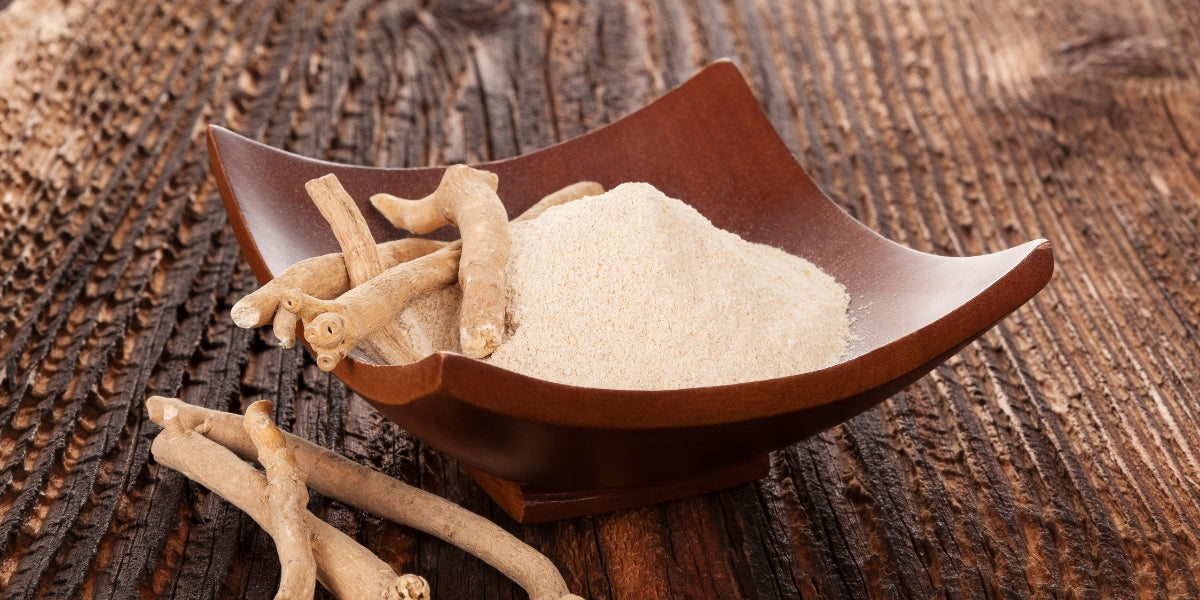
Your liver is a vital organ that cleans toxins, processes nutrients, and keeps you energised. Poor diet, stress, or lifestyle habits can harm it, but famous herbs can help repair and protect it. These natural, vegetarian-friendly plants, used for centuries in traditional medicine, are popular for their liver-supporting benefits.
This article explains the most well-known herbs for liver health in simple terms, backed by studies, to help everyone understand why they’re effective. Adding these herbs to your routine can support your liver, boost energy, and promote overall wellness in a safe, plant-based way.
Understanding the Liver and Herbal Support
The liver removes toxins and purifies the body, digests food, and promotes energy conversions. Harmful practices such as consuming sugary or processed food may result in fat accumulation or inflammation, which is associated with medical problems such as fatty liver.
Herbs such as the well-known herbs have ingredients that minimise inflammation, enhance detoxification, and heal liver cells.
In a 2018 investigation published in the Journal of Hepatology, researchers identified that some herbs positively affect the quality of the liver by lowering the quantity of fat and oxidative stress.
The herbs play a natural, plant-based role in aiding liver health as opposed to animal-derived products and medications.
List of 9 Best Herbs for Liver Repair
Below are some of the popular Ayurvedic herbs for fatty liver that help in keeping the liver healthy:
1. Milk Thistle
Milk thistle, known as Silybum marianum, is one of the most famous herbs for liver health due to its active compound, silymarin.
Silymarin protects liver cells from damage and helps them regenerate, making it effective for conditions like fatty liver or hepatitis.
A 2017 study in the World Journal of Hepatology found that silymarin reduced liver fat and inflammation in patients with non-alcoholic fatty liver disease (NAFLD). Milk thistle is available as capsules or tea, offering a gentle way to detox the liver and boost energy for daily activities.
2. Dandelion Root
Dandelion root, from the Taraxacum plant, is a well-known detox herb celebrated for supporting liver function.
Its antioxidants and anti-inflammatory properties help clear toxins and reduce liver fat.
A 2019 study in Food & Function showed that dandelion root improved liver enzyme levels in NAFLD patients by reducing oxidative stress.
You can enjoy dandelion root tea or add its powder to smoothies, making it a popular choice for liver cleansing and better digestion.
3. Turmeric
Turmeric, or Curcuma longa, is a famous spice with curcumin, a compound that reduces liver inflammation and protects against damage.
Its vibrant yellow colour and use in cooking make it a global favourite.
A 2018 study in Phytotherapy Research found curcumin lowered liver fat and improved enzyme levels in NAFLD patients.
You can add turmeric to curries, soups, or smoothies, making it an easy, flavorful way to support liver repair and overall health.
Note: Along with using herbs for liver health, following a balanced lifestyle is equally important. You can explore more practical guidance in our article on Ayurveda tips for liver care.
4. Artichoke Leaf
Artichoke leaf, from Cynara scolymus, is a popular herb for liver health due to its compound cynarin, which boosts bile production to aid detox and fat digestion.
A 2016 study in the Journal of Medicinal Food found artichoke leaf extract reduced liver fat and improved function in NAFLD patients.
People can use artichoke leaf tea or capsules, offering a simple way to enhance liver cleansing and improve energy levels.
5. Liquorice Root
Liquorice root, or Glycyrrhiza glabra, is a famous herb in traditional medicine for its glycyrrhizin, which reduces liver inflammation and protects cells.
A 2017 study in Phytomedicine showed liquorice root improved liver enzyme levels in patients with liver damage.
Vegetarians can sip liquorice root tea or use it in moderation to support liver health and ease digestion, making it a well-loved remedy worldwide.
6. Ginger
Ginger, or Zingiber officinale, is a globally recognised herb for its gingerol compounds, which reduce liver inflammation and oxidative stress.
A 2019 study in Evidence-Based Complementary and Alternative Medicine found that ginger improved liver function in NAFLD by lowering fat levels.
You can add fresh ginger to teas, smoothies, or stir-fries, making it a versatile, popular choice for liver support and better digestion.
7. Burdock Root
Burdock root, or Arctium lappa, is a famous detox herb used in traditional medicine to cleanse the liver and blood.
Its antioxidants help reduce liver stress and promote healing. A 2018 study in the Journal of Ethnopharmacology found that burdock root improved liver function in animals with liver damage.
You can enjoy burdock tea or add it to soups, offering a nutrient-rich way to support liver repair and vitality.
8. Schisandra
Schisandra, or Schisandra chinensis, is a famous Chinese herb known for its liver-protecting lignans. It helps detox the liver and reduce oxidative damage.
A 2016 study in Phytotherapy Research found that schisandra improved liver enzyme levels in patients with liver stress.
People can use schisandra berries in tea or as capsules, making it a popular choice for boosting liver health and energy.
9. Ginseng
Ginseng is a well-known herbal supplement often used for its substantial anti-inflammatory benefits.
Many lab and animal studies have found that ginseng has antioxidant effects, which may help protect the liver from damage caused by alcohol, toxins, and viruses. It might also help the liver heal and grow new cells, especially after surgery.
Some human studies have also shown that ginseng could improve liver function and reduce tiredness and swelling in people with liver problems.
For example, a study done in 2020 on 51 men with high levels of ALT (a sign of liver damage) found that taking 3 grams of ginseng extract daily for 12 weeks helped lower ALT levels. Another liver damage marker, GGT, was also reduced.
While these results look promising, more studies are needed to confirm how well ginseng works for liver health.
Ginseng is generally considered safe when taken on its own. But it can interact with certain medicines, which might cause liver issues or other serious side effects. So, it's best to use it with care, especially if you're on any medication.
How to Include These Herbs in a Vegetarian Routine
These famous herbs are vegetarian-friendly and easy to add to daily life. Here are practical ways to use them for liver health:
1. Herbal Teas
Dandelion, licorice, or schisandra teas are simple ways to support liver repair. A 2019 study in Nutrients found herbal teas reduce liver inflammation and aid detox.
Boil 1 teaspoon of dried herb in water for 5–10 minutes. Sip 1–2 cups daily to promote liver cleansing while staying hydrated.
Option: Blend dandelion and licorice for a soothing tea.
How to use: Drink after meals to support digestion and detox.
2. Vegetarian Smoothies
Add turmeric, ginger, or burdock powder to smoothies with spinach, berries, or bananas.
A 2020 study in the Journal of Dietary Supplements found that smoothies improve herb absorption, enhancing liver benefits.
Blend 1/2 teaspoon of herb with fruits and almond milk for a tasty, vegetarian drink that supports liver repair.
Option: Mix turmeric with mango and kale for flavour.
How to use: Blend into a morning smoothie daily.
3. Vegetarian Capsules
Milk thistle and artichoke leaf come in vegetarian capsules, ideal for busy schedules.
A 2018 study in Phytotherapy Research found that capsules (200–600 mg daily) reduce liver fat effectively.
Take with a vegetarian meal, like a quinoa salad, to boost absorption and support liver healing.
Option: Choose high-quality vegetarian capsules from trusted brands.
How to use: Take 1–2 capsules daily with a doctor’s guidance.
4. Seasoning in Cooking
Incorporate turmeric, ginger, or garlic into vegetarian dishes like curries, soups, or stir-fries.
A 2017 study in Food & Function found culinary herbs reduce liver inflammation when used regularly.
Add 1/2 teaspoon to meals for flavour and liver support, keeping your diet delicious and healthy.
Option: Use ginger in veggie stir-fries or turmeric in dal.
How to use: Add to daily cooking for consistent benefits.
5. Combine with a Balanced Diet
Pair herbs with nutrient-rich vegetarian foods like lentils, avocados, or whole grains.
A 2016 study in the American Journal of Clinical Nutrition found that a balanced diet enhances herbal benefits for liver health.
Include veggies, fruits, and grains to reduce liver fat and maximise herb effectiveness.
6. Consult a Doctor for Safety
Herbs are safe for most, but high doses or interactions with medications can cause issues.
A 2020 study in Phytomedicine recommends consulting a doctor, especially for those with liver conditions.
Start with small doses (e.g., 200 mg milk thistle) to ensure tolerance, keeping your vegetarian routine safe.
Option: Start with low doses and monitor effects.
How to use: Talk to a doctor before starting herbs.
Safety and Considerations
These herbs are vegetarian and generally safe, but moderation is key. Licorice root can raise blood pressure if overused, and schisandra may interact with medications.
A 2018 study in the Journal of Clinical Medicine suggests consulting a doctor for those with health conditions.
Choose high-quality, vegetarian herbal products and pair them with a nutrient-rich diet to support liver repair safely.
Conclusion
Famous herbs like milk thistle, dandelion, and turmeric are powerful, vegetarian-friendly tools for liver health. Studies show they reduce inflammation, detox the liver, and repair damage, making them ideal for anyone seeking natural healing.
Add them to teas, smoothies, or meals for easy integration into your daily routine. Pair with a balanced vegetarian diet of whole grains and veggies for maximum benefits. Start with small doses, consult a doctor, and enjoy better energy and wellness.
These herbs help you support your liver naturally, keeping you healthy and vibrant every day.
FAQs
1. Can I use these herbs every day for liver health?
Yes, most of these herbs, like milk thistle or turmeric, are safe for daily use in small amounts, like 200–400 mg capsules or 1–2 cups of tea. A 2018 study in Phytotherapy Research supports their regular use for liver health. But check with a doctor to avoid issues, especially if you take medicines.
2. How long does it take for herbs to help my liver?
Herbs like dandelion or artichoke may show benefits in 4–8 weeks, per a 2019 study in Nutrients. Results depend on your diet and lifestyle. Eating vegetarian foods like veggies and whole grains speeds up liver repair when paired with these herbs.
3. Are there side effects from these liver herbs?
Most are safe, but licorice root can raise blood pressure, and milk thistle might cause mild stomach upset in rare cases. A 2020 study in Phytomedicine suggests starting with small doses and consulting a doctor to avoid problems, especially for vegetarians with health conditions.
4. Can I mix these herbs for better results?
Combining herbs like turmeric and ginger in meals or dandelion and licorice in tea is often safe and may boost benefits. A 2017 study in Food & Function found that mixed herbs enhance liver support. Start with small amounts and ask a doctor to ensure they’re safe together.
5. Where can I find these herbs?
You can find milk thistle, dandelion, or turmeric at health food stores, pharmacies, or online as vegetarian capsules, powders, or teas. A 2018 study in the Journal of Clinical Medicine recommends choosing high-quality brands to ensure purity. Local markets may also have fresh ginger or turmeric.
Your liver is a vital organ that cleans toxins, processes nutrients, and keeps you energised. Poor diet, stress, or lifestyle habits can harm it, but famous herbs can help repair and protect it. These natural, vegetarian-friendly plants, used for centuries in traditional medicine, are popular for their liver-supporting benefits.
This article explains the most well-known herbs for liver health in simple terms, backed by studies, to help everyone understand why they’re effective. Adding these herbs to your routine can support your liver, boost energy, and promote overall wellness in a safe, plant-based way.
Understanding the Liver and Herbal Support
The liver removes toxins and purifies the body, digests food, and promotes energy conversions. Harmful practices such as consuming sugary or processed food may result in fat accumulation or inflammation, which is associated with medical problems such as fatty liver.
Herbs such as the well-known herbs have ingredients that minimise inflammation, enhance detoxification, and heal liver cells.
In a 2018 investigation published in the Journal of Hepatology, researchers identified that some herbs positively affect the quality of the liver by lowering the quantity of fat and oxidative stress.
The herbs play a natural, plant-based role in aiding liver health as opposed to animal-derived products and medications.
List of 9 Best Herbs for Liver Repair
Below are some of the popular Ayurvedic herbs for fatty liver that help in keeping the liver healthy:
1. Milk Thistle
Milk thistle, known as Silybum marianum, is one of the most famous herbs for liver health due to its active compound, silymarin.
Silymarin protects liver cells from damage and helps them regenerate, making it effective for conditions like fatty liver or hepatitis.
A 2017 study in the World Journal of Hepatology found that silymarin reduced liver fat and inflammation in patients with non-alcoholic fatty liver disease (NAFLD). Milk thistle is available as capsules or tea, offering a gentle way to detox the liver and boost energy for daily activities.
2. Dandelion Root
Dandelion root, from the Taraxacum plant, is a well-known detox herb celebrated for supporting liver function.
Its antioxidants and anti-inflammatory properties help clear toxins and reduce liver fat.
A 2019 study in Food & Function showed that dandelion root improved liver enzyme levels in NAFLD patients by reducing oxidative stress.
You can enjoy dandelion root tea or add its powder to smoothies, making it a popular choice for liver cleansing and better digestion.
3. Turmeric
Turmeric, or Curcuma longa, is a famous spice with curcumin, a compound that reduces liver inflammation and protects against damage.
Its vibrant yellow colour and use in cooking make it a global favourite.
A 2018 study in Phytotherapy Research found curcumin lowered liver fat and improved enzyme levels in NAFLD patients.
You can add turmeric to curries, soups, or smoothies, making it an easy, flavorful way to support liver repair and overall health.
Note: Along with using herbs for liver health, following a balanced lifestyle is equally important. You can explore more practical guidance in our article on Ayurveda tips for liver care.
4. Artichoke Leaf
Artichoke leaf, from Cynara scolymus, is a popular herb for liver health due to its compound cynarin, which boosts bile production to aid detox and fat digestion.
A 2016 study in the Journal of Medicinal Food found artichoke leaf extract reduced liver fat and improved function in NAFLD patients.
People can use artichoke leaf tea or capsules, offering a simple way to enhance liver cleansing and improve energy levels.
5. Liquorice Root
Liquorice root, or Glycyrrhiza glabra, is a famous herb in traditional medicine for its glycyrrhizin, which reduces liver inflammation and protects cells.
A 2017 study in Phytomedicine showed liquorice root improved liver enzyme levels in patients with liver damage.
Vegetarians can sip liquorice root tea or use it in moderation to support liver health and ease digestion, making it a well-loved remedy worldwide.
6. Ginger
Ginger, or Zingiber officinale, is a globally recognised herb for its gingerol compounds, which reduce liver inflammation and oxidative stress.
A 2019 study in Evidence-Based Complementary and Alternative Medicine found that ginger improved liver function in NAFLD by lowering fat levels.
You can add fresh ginger to teas, smoothies, or stir-fries, making it a versatile, popular choice for liver support and better digestion.
7. Burdock Root
Burdock root, or Arctium lappa, is a famous detox herb used in traditional medicine to cleanse the liver and blood.
Its antioxidants help reduce liver stress and promote healing. A 2018 study in the Journal of Ethnopharmacology found that burdock root improved liver function in animals with liver damage.
You can enjoy burdock tea or add it to soups, offering a nutrient-rich way to support liver repair and vitality.
8. Schisandra
Schisandra, or Schisandra chinensis, is a famous Chinese herb known for its liver-protecting lignans. It helps detox the liver and reduce oxidative damage.
A 2016 study in Phytotherapy Research found that schisandra improved liver enzyme levels in patients with liver stress.
People can use schisandra berries in tea or as capsules, making it a popular choice for boosting liver health and energy.
9. Ginseng
Ginseng is a well-known herbal supplement often used for its substantial anti-inflammatory benefits.
Many lab and animal studies have found that ginseng has antioxidant effects, which may help protect the liver from damage caused by alcohol, toxins, and viruses. It might also help the liver heal and grow new cells, especially after surgery.
Some human studies have also shown that ginseng could improve liver function and reduce tiredness and swelling in people with liver problems.
For example, a study done in 2020 on 51 men with high levels of ALT (a sign of liver damage) found that taking 3 grams of ginseng extract daily for 12 weeks helped lower ALT levels. Another liver damage marker, GGT, was also reduced.
While these results look promising, more studies are needed to confirm how well ginseng works for liver health.
Ginseng is generally considered safe when taken on its own. But it can interact with certain medicines, which might cause liver issues or other serious side effects. So, it's best to use it with care, especially if you're on any medication.
How to Include These Herbs in a Vegetarian Routine
These famous herbs are vegetarian-friendly and easy to add to daily life. Here are practical ways to use them for liver health:
1. Herbal Teas
Dandelion, licorice, or schisandra teas are simple ways to support liver repair. A 2019 study in Nutrients found herbal teas reduce liver inflammation and aid detox.
Boil 1 teaspoon of dried herb in water for 5–10 minutes. Sip 1–2 cups daily to promote liver cleansing while staying hydrated.
Option: Blend dandelion and licorice for a soothing tea.
How to use: Drink after meals to support digestion and detox.
2. Vegetarian Smoothies
Add turmeric, ginger, or burdock powder to smoothies with spinach, berries, or bananas.
A 2020 study in the Journal of Dietary Supplements found that smoothies improve herb absorption, enhancing liver benefits.
Blend 1/2 teaspoon of herb with fruits and almond milk for a tasty, vegetarian drink that supports liver repair.
Option: Mix turmeric with mango and kale for flavour.
How to use: Blend into a morning smoothie daily.
3. Vegetarian Capsules
Milk thistle and artichoke leaf come in vegetarian capsules, ideal for busy schedules.
A 2018 study in Phytotherapy Research found that capsules (200–600 mg daily) reduce liver fat effectively.
Take with a vegetarian meal, like a quinoa salad, to boost absorption and support liver healing.
Option: Choose high-quality vegetarian capsules from trusted brands.
How to use: Take 1–2 capsules daily with a doctor’s guidance.
4. Seasoning in Cooking
Incorporate turmeric, ginger, or garlic into vegetarian dishes like curries, soups, or stir-fries.
A 2017 study in Food & Function found culinary herbs reduce liver inflammation when used regularly.
Add 1/2 teaspoon to meals for flavour and liver support, keeping your diet delicious and healthy.
Option: Use ginger in veggie stir-fries or turmeric in dal.
How to use: Add to daily cooking for consistent benefits.
5. Combine with a Balanced Diet
Pair herbs with nutrient-rich vegetarian foods like lentils, avocados, or whole grains.
A 2016 study in the American Journal of Clinical Nutrition found that a balanced diet enhances herbal benefits for liver health.
Include veggies, fruits, and grains to reduce liver fat and maximise herb effectiveness.
6. Consult a Doctor for Safety
Herbs are safe for most, but high doses or interactions with medications can cause issues.
A 2020 study in Phytomedicine recommends consulting a doctor, especially for those with liver conditions.
Start with small doses (e.g., 200 mg milk thistle) to ensure tolerance, keeping your vegetarian routine safe.
Option: Start with low doses and monitor effects.
How to use: Talk to a doctor before starting herbs.
Safety and Considerations
These herbs are vegetarian and generally safe, but moderation is key. Licorice root can raise blood pressure if overused, and schisandra may interact with medications.
A 2018 study in the Journal of Clinical Medicine suggests consulting a doctor for those with health conditions.
Choose high-quality, vegetarian herbal products and pair them with a nutrient-rich diet to support liver repair safely.
Conclusion
Famous herbs like milk thistle, dandelion, and turmeric are powerful, vegetarian-friendly tools for liver health. Studies show they reduce inflammation, detox the liver, and repair damage, making them ideal for anyone seeking natural healing.
Add them to teas, smoothies, or meals for easy integration into your daily routine. Pair with a balanced vegetarian diet of whole grains and veggies for maximum benefits. Start with small doses, consult a doctor, and enjoy better energy and wellness.
These herbs help you support your liver naturally, keeping you healthy and vibrant every day.
FAQs
1. Can I use these herbs every day for liver health?
Yes, most of these herbs, like milk thistle or turmeric, are safe for daily use in small amounts, like 200–400 mg capsules or 1–2 cups of tea. A 2018 study in Phytotherapy Research supports their regular use for liver health. But check with a doctor to avoid issues, especially if you take medicines.
2. How long does it take for herbs to help my liver?
Herbs like dandelion or artichoke may show benefits in 4–8 weeks, per a 2019 study in Nutrients. Results depend on your diet and lifestyle. Eating vegetarian foods like veggies and whole grains speeds up liver repair when paired with these herbs.
3. Are there side effects from these liver herbs?
Most are safe, but licorice root can raise blood pressure, and milk thistle might cause mild stomach upset in rare cases. A 2020 study in Phytomedicine suggests starting with small doses and consulting a doctor to avoid problems, especially for vegetarians with health conditions.
4. Can I mix these herbs for better results?
Combining herbs like turmeric and ginger in meals or dandelion and licorice in tea is often safe and may boost benefits. A 2017 study in Food & Function found that mixed herbs enhance liver support. Start with small amounts and ask a doctor to ensure they’re safe together.
5. Where can I find these herbs?
You can find milk thistle, dandelion, or turmeric at health food stores, pharmacies, or online as vegetarian capsules, powders, or teas. A 2018 study in the Journal of Clinical Medicine recommends choosing high-quality brands to ensure purity. Local markets may also have fresh ginger or turmeric.
Beer is a popular drink enjoyed by many, but drinking it regularly or in large amounts can harm your body. From liver damage to weight gain, beer’s side effects can sneak up, especially if you’re n...
Ashwagandha, a powerful herb used in Ayurveda, is gaining popularity for its health benefits, especially for men. This natural, vegetarian supplement helps the body handle stress, boosts energy, an...

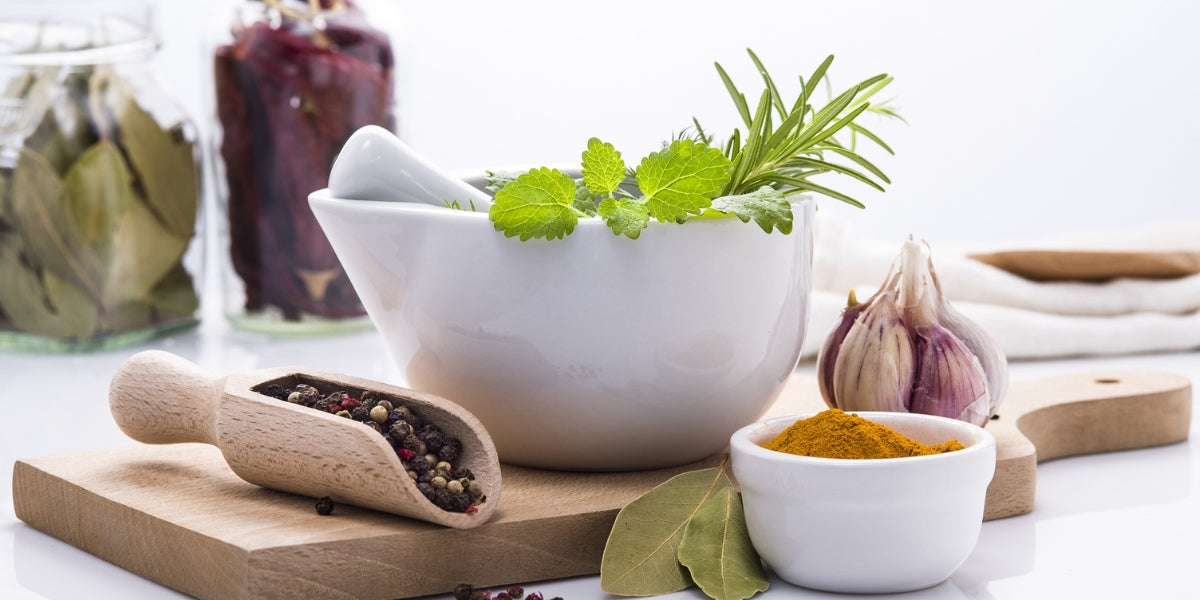


 Turmeric, or Curcuma longa, is a famous spice with curcumin, a compound that reduces liver inflammation and protects against damage.
  Artichoke leaf, from Cynara scolymus, is a popular herb for liver health due to its compound cynarin, which boosts bile production to aid detox and fat digestion.

 Burdock root, or Arctium lappa, is a famous detox herb used in traditional medicine to cleanse the liver and blood.