







Can Diabetics Enjoy Semolina? Insights on GI, Nutrition, and Indian Recipes
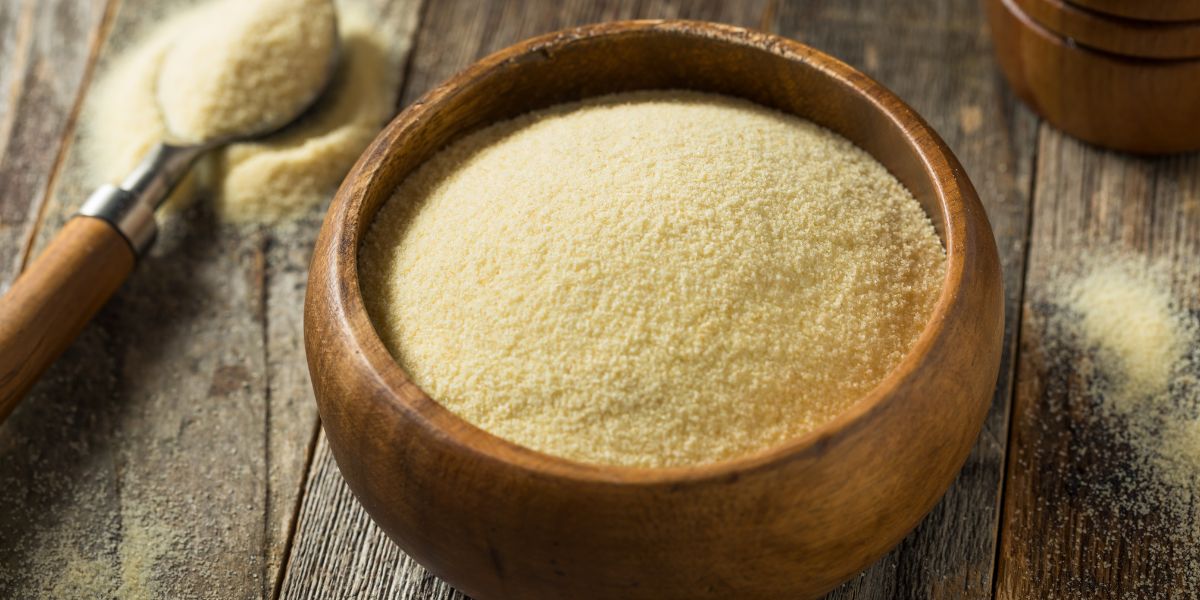
Semolina, known as suji or rava in India, can be a suitable choice for diabetics when consumed in moderation. With a moderate glycemic index (GI) of around 66, it digests more slowly than refined white flour, helping to prevent sharp blood sugar spikes.
Paired with vegetables, proteins, and fibre-rich add-ins, it fits into a balanced diabetic meal plan without derailing glucose control. However, overindulgence can raise concerns due to its carb content; the key is portion control and smart preparation.
What is Semolina?
- Semolina is coarsely ground durum wheat (Triticum durum), a staple in Indian kitchens for dishes like upma, halwa, and idlis.
- Unlike fine wheat flour (maida), its texture retains more bran, offering better nutrition.
- In India, it's produced from hard wheat varieties, making it versatile for savoury breakfasts or sweets.
- Globally, it's used in pasta, but in Indian diets, it stars in quick-cook recipes ideal for busy mornings.
Nutritional Profile of Semolina
Semolina packs essential nutrients that support overall health, including for diabetics. Per 100g (dry, uncooked), here's a breakdown based on Indian food data:
|
Nutrient |
Amount per 100g |
% Daily Value (approx.) |
Diabetic Benefit |
|
Calories |
360 kcal |
18% |
Provides sustained energy without excess fats. |
|
Carbohydrates |
73g |
24% |
Mostly complex carbs; monitor portions to avoid overload. |
|
Protein |
12g |
24% |
Aids muscle repair and slows carb absorption. |
|
Dietary Fiber |
3.4g |
12% |
Promotes satiety and steady blood sugar. |
|
Fat |
1.1g |
2% |
Low saturated fat, heart-friendly for diabetics. |
|
Iron |
4.2mg |
23% |
Boosts oxygen transport, combating fatigue. |
|
Magnesium |
47mg |
12% |
Supports insulin sensitivity. |
|
Folate |
72μg |
18% |
Reduces heart disease risk, which is common in diabetes. |
Data sourced from the National Institute of Nutrition's Indian Food Composition Tables 2017. This profile shows semolina as nutrient-dense, but its carb load (about 50-60g per cooked serving) demands careful tracking.
Understanding Glycemic Index and Load
- Glycemic Index (GI): Semolina scores 66 on the GI scale, moderate (56-69), meaning it raises blood sugar gradually compared to white rice (GI 73) or maida (GI 70).
- Steamed versions (e.g., porridge) have a lower GI (55), while roasted (upma base) hits 76.
- Glycemic Load (GL): At 14 per serving, it's low-to-moderate, making small portions diabetes-friendly.
- Why it matters: Low-GI foods like semolina help maintain HbA1c levels under 7%, per ICMR diabetes guidelines.
- Tip: Cooking method alters GI; boiling lowers it more than frying.
Benefits of Semolina for Diabetics
Semolina isn't just filler; it offers targeted perks when eaten right. Here's why it earns a spot in diabetic diets:
- Steady Energy Release: Complex carbs break down slowly, avoiding post-meal crashes that trigger cravings.
- Weight Management Aid: High protein and fibre promote fullness; a study linked fibre-rich grains to 10-15% better weight control in Indians.
- Heart Health Boost: Magnesium and folate cut cardiovascular risks by up to 23%, vital since 70% of diabetics face heart issues.
- Gut-Friendly Fibre: 3.4g per 100g supports digestion, reducing constipation, a common diabetic side effect.
- Immunity Edge: B-vitamins and iron strengthen defences, helping diabetics fight infections.
- Versatile Nutrient Source: Fortified versions add selenium, aiding insulin function.
- In Indian contexts: Replaces high-GI maida in rotis, lowering overall meal GI by 10-20 points.
Real-world win: Diabetics report better satiety with semolina-based breakfasts, curbing mid-morning snacking.
Potential Risks and Drawbacks
No food is perfect; semolina has pitfalls for the unwary diabetic:
- Carb Overload Risk: 73g carbs/100g can spike glucose if portions exceed 30-40g dry.
- Gluten Concerns: Contains gluten; avoid if celiac or sensitive (affects 1-13% of Indians).
- Preparation Pitfalls: Fried or sweetened dishes (e.g., halwa) jump GI to 80+, worsening control.
- Allergy Triggers: Rare but possible, symptoms include bloating or hives.
- Calorie Density in Sweets: Indian desserts pack hidden sugars, adding 200+ empty calories.
- Long-term: Over-reliance may displace low-GI millets, per NIN guidelines, which favour diverse grains.
Monitor: Test post-meal glucose; aim for rises under 40mg/dL.
Insights From Indian Government Research Papers
Indian studies, backed by government bodies like ICMR and NIN, provide evidence-based views on semolina's role in diabetes. These focus on traditional preparations and GI impacts:
- Study 1: Glycaemic Index of Conventional Carbohydrate Meals (1992) Conducted by ICMR-affiliated researchers at SNDT Women's University, Mumbai, on 30 NIDDM patients. Tested 50g semolina meals (steamed or with dals).
- Key Finding: Steam-cooked semolina elicited a lower 1-hour glucose response vs. glucose load; semolina-black gram dhal meal showed the best 2-hour control (GI ~60).
- Implication: Pairing semolina with pulses reduces GI by 15-20%, ideal for Indian thalis.
- Study 2: Glycemic Index of Traditional Indian Carbohydrate Foods (1990) From Journal of the American College of Nutrition, led by Indian researchers (Mani UV et al.). Analysed semolina porridge.
- Key Finding: GI of 66 for semolina-based foods, lower than white bread (75); recommended for moderate use in diabetics.
- Implication: Traditional suji upma fits better than refined alternatives for blood sugar stability.
- Study 3: Indian Food Composition Tables 2017 (NIN-ICMR): A comprehensive nutrient database by the National Institute of Nutrition. Details semolina's profile (e.g., 73g carbs, 3.4g fibre/100g).
- Key Finding: Positions semolina as a whole-grain option with moderate digestibility; aligns with low-GL diets for diabetes prevention.
- Implication: Use in mixed meals to leverage fibre for slower glucose release.
- NIN Dietary Guidelines for Indians (2024 Update) Recommends restricting high-GI refined carbs but endorses whole wheat products like semolina (wheat roti GI 62) for fibre benefits in diabetes management.
- Key Finding: Low-GI grains (<55) preferred, but moderate ones like chapathi (GI 52) from semolina flour aid weight and glucose control.
- Implication: Integrate into balanced plates with veggies (50% plate) to optimise.
These papers emphasise context: Semolina shines in dal combos, reflecting India's pulse-rich cuisine.
How to Include Semolina in a Diabetic Indian Diet
Make semolina work with these strategies and recipes, keep servings to 25-30g dry (1/4 cup) for 15-20g net carbs:
- Portion Hacks:
- Measure pre-cook; use apps like MyFitnessPal for tracking.
- Balance plate: ½ veggies, ¼ protein, ¼ semolina.
- Time it: Breakfast or lunch, not dinner, for better overnight control.
- Recipe 1: Veggie-Loaded Upma (Serves 2, ~200 calories/serving)
- Ingredients: 50g semolina, 1 cup mixed veggies (carrots, peas, beans), ½ tsp mustard seeds, 1 tsp oil, salt, lemon.
- Steps: Roast semolina dry; sauté veggies and seeds; add water (2:1 ratio), stir in semolina; simmer 5 mins.
- Why Diabetic-Friendly: Veggies drop GI to ~55; 12g protein from add-ins.
- Recipe 2: Semolina-Dal Khichdi (Serves 2, ~250 calories/serving)
- Ingredients: 40g semolina, 30g moong dal, spinach, ginger, 1 tsp ghee.
- Steps: Soak dal; cook with semolina in 3:1 water; add greens last.
- Why: Dal lowers GL to 10; fibre duo stabilises sugar for hours.
- Recipe 3: Suji Roti with Palak Paneer (Serves 4 rotis)
- Ingredients: 100g semolina + whole wheat flour (1:1), water; side: low-fat paneer curry.
- Steps: Knead dough; roll thin; cook on tawa.
- Why: Hybrid flour cuts GI to 50; pairs with protein for a complete meal.
- Sweet Twist: Oats-Semolina Kheer (Low-Sugar, Serves 4)
- Use stevia; add nuts for crunch. Limits to 100 calories/serving.
Pro Tip: Add fenugreek or oats to slash GI by 15-20%, per Indian trials.
Common Myths Busted
- Myth: All Semolina Spikes Sugar – Fact: Whole-grain versions and combos don't; evidence shows moderated response.
- Myth: Avoid Entirely – Fact: NIN endorses moderate whole grains for nutrient gaps in diabetics.
- Myth: Only for Non-Diabetics – Fact: 66 GI is safer than many staples like idli (GI 68).
Conclusion: Moderation Makes it a Winner
Semolina proves a versatile ally for diabetics, nutrient-rich, culturally fitting, and GI-moderate when handled wisely. Backed by Indian research, it supports steady energy, heart health, and satiety without banishment.
Consult your doctor or dietitian for personalisation, especially if on meds. Swap occasionally with millets for variety, but celebrate suji's role in flavorful, controlled eating. With 77 million diabetics in India, smart choices like these empower better lives.
References
1. Carbohydrate profiling & glycaemic indices of selected traditional Indian foods https://pmc.ncbi.nlm.nih.gov/articles/PMC9552392/
2. Glycaemic index of conventional carbohydrate meals https://pubmed.ncbi.nlm.nih.gov/1445824/
Written by

Zanducare
India’s trusted name in Ayurvedic wellness, offering time-tested solutions for today’s health and lifestyle needs. With formulations rooted in classical Ayurvedic texts and crafted using pure natural ingredients, we bring holistic care into your everyday routine.
Research by


%20of%20around%2066,%20it%20digests%20more%20slowly%20than%20refined%20w...)
Leave a comment
This site is protected by hCaptcha and the hCaptcha Privacy Policy and Terms of Service apply.