






The Sugarcane Juice Dilemma for Diabetics: Nutrition, GI, and Smart Alternatives
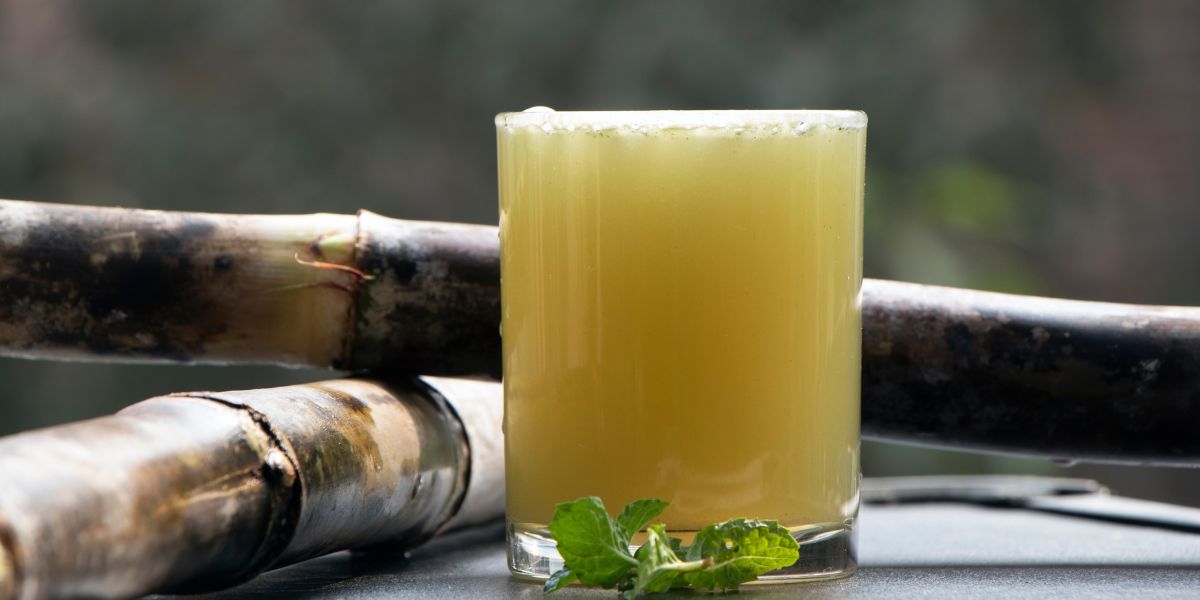
Sugarcane juice, or ganne ka ras, is not ideal for diabetics due to its high natural sugar content, 13-15g per 100ml, which can cause rapid blood glucose rises despite a low glycemic index (GI) of 43. Indian Council of Medical Research (ICMR) guidelines recommend minimising it to prevent insulin resistance and weight gain.
However, tiny, diluted portions (under 50ml) with lemon or ginger may offer hydration and minerals without significant harm, always under medical advice.
What is Sugarcane Juice?
- Freshly extracted from crushed sugarcane stalks (Saccharum officinarum), a tropical grass native to India.
- Popular street drink in India, especially in the summer, often spiced with lime, mint, or ginger for flavour.
- Contains 70-75% water, making it refreshing, but processing strips fibre from the cane.
- In Indian culture, the symbol of festivals like Lohri, roadside vendors press it on-site for freshness.
- Variants: Plain, adulterated (with water/syrup), or preserved (rarely, via CSIR tech for longer shelf life).
Nutritional Profile of Sugarcane Juice
Based on National Institute of Nutrition (NIN) data, sugarcane juice is low in calories but sugar-heavy. Per 100ml (fresh, raw):
|
Nutrient |
Amount per 100ml |
% Daily Value (approx.) |
Diabetic Note |
|
Calories |
45 kcal |
2% |
Low energy but quick-absorbing carbs. |
|
Carbohydrates |
11g |
4% |
Mostly simple sugars; track tightly. |
|
Total Sugars |
12.9g |
N/A |
High sucrose (10g); spikes glucose fast. |
|
Protein |
0.2g |
<1% |
Negligible; no satiety boost. |
|
Dietary Fiber |
0.2g |
<1% |
Minimal; lacks whole-fruit benefits. |
|
Fat |
0.04g |
<1% |
Heart-friendly, no added burden. |
|
Potassium |
42mg |
1% |
Aids electrolyte balance post-exercise. |
|
Iron |
0.01mg |
<1% |
Trace; not a reliable source. |
|
Vitamin C |
6.7mg |
7% |
Antioxidant edge for immunity. |
|
Calcium |
11mg |
1% |
Supports bones, but low yield. |
Data from NIN Indian Food Composition Tables 2017. This shows it's hydrating but nutrient-light compared to whole fruits, with sugars dominating.
Understanding Glycemic Index and Load
- Glycemic Index (GI): 43, low (<55), slower release than cola (GI 63) due to some complex carbs.
- Glycemic Load (GL): High (9-11 per 100ml serving), as portion size amplifies sugar impact; exceeds safe limits for diabetics.
- Why critical: Low GI fools many, but high GL causes 20-30mg/dL post-meal spikes in trials.
- Indian context: ICMR notes rapid absorption risks, insulin spikes, and worsening type 2 diabetes control.
- Tip: Dilute 1:1 with water to halve GL; add fibre via veggies to mimic low-GL fruits.
Potential Benefits for Diabetics
Despite risks, limited upsides exist in controlled use:
- Hydration Hero: 85% water; electrolytes like potassium prevent dehydration in hot Indian summers.
- Mineral Boost: Iron and magnesium traces aid anaemia, common in 50% of Indian diabetics.
- Antioxidant Perks: Polyphenols (e.g., ferulic acid 0.55mg/100ml) fight oxidative stress linked to complications.
- Quick Energy: Low GI suits mild activity; one study showed stable glucose during exercise.
- Traditional Remedy: Ayurveda claims it cools the body, but evidence is anecdotal.
- Low-Calorie Refresh: 45kcal/100ml beats sugary sodas for occasional thirst quench.
- In moderation: 30ml daily may support gut health via mild prebiotics, per preliminary NIN data.
Evidence: CSIR highlights low GI for diabetics, but portions must stay tiny.
Risks and Drawbacks for Diabetics
High sugar overshadows benefits. Here's why it's risky:
- Blood Sugar Spikes: 13g sugars/100ml raises glucose 25-40mg/dL in 30 mins, per glycemic trials.
- Weight Gain Trap: Empty calories contribute to obesity, a diabetes accelerator in 80% of Indian cases.
- Insulin Resistance: Frequent intake worsens sensitivity; ICMR links to NCD rise.
- Dental and Gut Issues: Fermentable sugars feed bacteria, raising cavity risk.
- Contamination Concerns: Street versions may have bacteria or adulterants, stressing diabetic immunity.
- Portion Pitfall: Easy to overdo, one glass (250ml) equals 30g sugar, breaching ICMR's 25g/day limit.
- Long-term: Linked to fatty liver in high-sugar diets, per NIN surveys.
Monitor: Use a glucometer post-consumption; avoid if HbA1c >7%.
Insights from Indian Government Research Papers
Government-backed studies from ICMR and NIN underscore caution, focusing on sugar's diabetes toll:
- Study 1: Dietary Guidelines for Indians (ICMR-NIN, 2024). Comprehensive update on nutrition amid the NCD epidemic. Analysed the role in 77 million Indian diabetics.
- Key Finding: Sugarcane juice packs 13-15g sugar/100ml; "minimise consumption" to curb spikes and obesity. Prefers whole fruits over juices for fibre.
- Implication: High GL trumps low GI; limit to occasional <100ml, diluted.
- Study 2: Consumption Levels of Sugar Study Report (NIN, 2019). First national survey via NNMB on 91,514 individuals across 26 states; 24-hour recalls tracked sources.
- Key Finding: Sugarcane juice contributes 11.5g/day to rural sugar intake (13g total/CU/day); within 30g ICMR limit but tied to urban diabetes surge (16g/day). High in Karnataka/Maharashtra.
- Implication: Added sugars like ganne ka ras fuel 80% preventable type 2 cases; calls for interventions.
- Study 3: Indian Food Composition Tables (NIN-ICMR, 2017) Database of 528 foods, including regional sugarcane juice samples from 6 areas.
- Key Finding: 12.9g sugars/100ml (mainly sucrose); low fibre (0.2g) amplifies GL. Positions as a high-sugar beverage, not diabetic-friendly.
- Implication: Use data for meal planning; favours low-GL alternatives like buttermilk.
- NIN Guidelines on NCD Prevention (2024 Annex) Builds on ICMR; reviews juice impacts on insulin.
- Key Finding: Fruit/sugarcane juices spike glucose faster than solids; restrict to 100-150g whole fruit equivalent occasionally.
- Implication: Diabetics: Zero added sugars; whole cane (chewed) is better than juiced for fibre.
These affirm: Cultural staple, but science says "sparingly" for glucose stability.
How to Include Sugarcane Juice in a Diabetic Indian Diet
If insisting, keep under 50ml/day, diluted, and pair wisely, consult an endocrinologist first:
- Portion Strategies:
- Start small: 30ml max, mixed with 100ml water.
- Time right: Morning, post-walk, for activity buffer.
- Track: Log carbs (11g/100ml) via apps like HealthifyMe.
- Recipe 1: Lemon-Ginger Ganne Detox (Serves 1, ~60 calories)
- Ingredients: 30ml sugarcane juice, juice of 1 lemon, 1-inch piece of grated ginger, 100ml water, and mint leaves.
- Steps: Blend ginger-mint; strain; mix juices and water; chill.
- Why Safe: Lemon's acidity slows absorption (GI drops ~10); under 5g net sugar.
- Recipe 2: Cucumber-Mint Cooler (Mock Version, Serves 2, ~40 calories/serving)
- Ingredients: 1 cucumber, a handful of mint, ½ lemon, 200ml coconut water (no sugarcane).
- Steps: Juice cucumber-mint; add lemon and coconut water; serve iced.
- Why Better: Zero added sugar; mimics refreshment with electrolytes.
- Recipe 3: Spiced Buttermilk Twist (Chaas, Serves 2, ~80 calories/serving)
- Ingredients: 200ml low-fat curd, 100ml water, cumin, salt, and optionally, 20ml diluted sugarcane.
- Steps: Whisk curd-water; temper cumin; stir in trace juice if desired.
- Why Diabetic-Friendly: Probiotics aid digestion; trace juice adds tang without spikes.
- Alternatives Hack: Chew a sugarcane stick (fibre intact) or opt for kokum sherbet, low GI, zero sugar.
Pro Tip: Add amla for vitamin C synergy, slashing oxidative risks by 15%.
Common Myths Busted
- Myth: Low GI Means Unlimited – Fact: High GL overrides; ICMR warns of spikes.
- Myth: Natural Sugars Are Safe – Fact: NIN equates to added; 25g/day cap includes them.
- Myth: Cures Diabetes – Fact: No evidence; may worsen per glycemic studies.
- Myth: Only for Summers – Fact: Year-round risk; hydration via water/veggies is better.
Conclusion: Proceed With Caution or Skip Altogether
Sugarcane juice tempts with its sweet, cooling vibe, but for India's 77 million diabetics, it's a high-stakes sip, low GI but potent GL demands avoidance or micro-doses. ICMR and NIN research spotlights sugar's NCD role, urging whole foods over juices.
Hydrate smartly, embrace alternatives, and prioritise balanced plates: 50% veggies, 25% proteins, 25% low-GI grains. Personalised advice from a dietitian ensures control, empowering healthier, spike-free days amid festive temptations.
References
1. The Effects of Ingestion of Sugarcane Juice and Commercial Sports Drinks on Cycling Performance of Athletes in Comparison to Plain Water https://pmc.ncbi.nlm.nih.gov/articles/PMC3880661/
2. Glycemic Response of Natural Sweeteners like Sugarcane Juice, Honey and Jaggery in Healthy Individuals https://www.researchgate.net/publication/346008285_Glycemic_Response_of_Natural_Sweeteners_like_Sugarcane_Juice_Honey_and_Jaggery_in_Healthy_Individuals
Written by

Zanducare
India’s trusted name in Ayurvedic wellness, offering time-tested solutions for today’s health and lifestyle needs. With formulations rooted in classical Ayurvedic texts and crafted using pure natural ingredients, we bring holistic care into your everyday routine.
Research by

%20of%20...)
Leave a comment
This site is protected by hCaptcha and the hCaptcha Privacy Policy and Terms of Service apply.