













Article: Understanding and Managing Prediabetes: A Full Guide
Understanding and Managing Prediabetes: A Full Guide
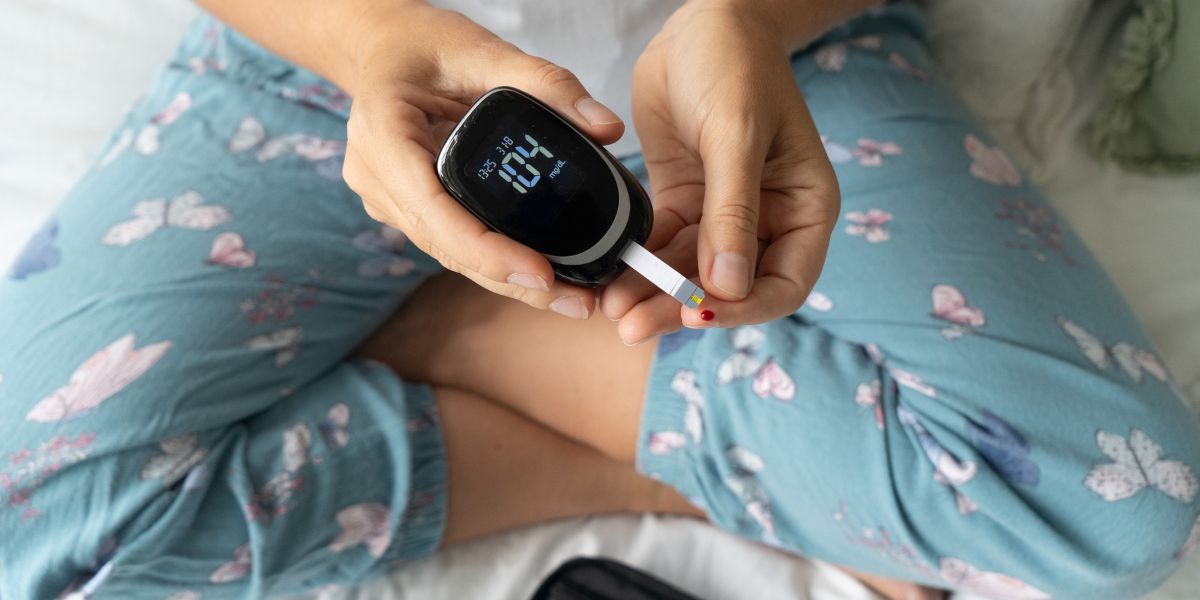
Prediabetes is more than just a medical term – it is a wake-up call. If your blood sugar is higher than usual but not high enough to be labelled as diabetes, you fall into the prediabetes zone. This condition signals that your body’s ability to regulate glucose is weakening.
In India, the numbers are worrying. A 2023 study published in The Lancet reported that nearly 32.8% of Indian adults have prediabetes. Yet awareness is very low, meaning millions live with the condition without knowing it. Left unchecked, prediabetes greatly raises the risk of developing type 2 diabetes, heart disease, and stroke.
The encouraging part is that lifestyle changes, early testing, and better awareness can delay or even reverse this progression. This guide draws on Indian research, global studies, and practical insights to explain what prediabetes is, who is at risk, how it is diagnosed, and how to prevent or reverse it.
What is Prediabetes?
Under normal circumstances, the body keeps blood glucose within a narrow range. Carbohydrates from food are broken down into glucose, which enters the bloodstream. Insulin, a hormone from the pancreas, acts as a key that allows glucose to enter cells for energy.
In prediabetes, the cells resist insulin. This is called insulin resistance. The pancreas compensates by producing more insulin, but over time, it cannot keep up. As a result, blood glucose levels begin to rise.
Diagnostic Ranges
In India, doctors use the same criteria as international bodies to identify prediabetes:
|
Test |
Prediabetes Range |
What It Measures |
|
A1C (glycated haemoglobin) |
5.7% – 6.4% |
Average blood glucose over 2–3 months. May be influenced by anaemia or kidney disease. |
|
Fasting Plasma Glucose (FPG) |
100 – 125 mg/dL |
Blood sugar after at least 8 hours of fasting. |
|
Oral Glucose Tolerance Test (OGTT) |
140 – 199 mg/dL (2 hours later) |
How well the body handles glucose after drinking a glucose solution. |
Key takeaway: Prediabetes is not a single cut-off value. It represents a range of blood sugar levels that suggest the body is struggling with insulin sensitivity.
Why Prediabetes Matters: India’s Growing Burden
India is often called the diabetes capital of the world. According to the ICMR–INDIAB study, over 136 million Indians are estimated to have prediabetes. Prevalence is highest in urban areas, though rural regions are catching up as lifestyles change.
-
Urban vs Rural: Cities show higher prevalence due to sedentary work, stress, processed food consumption, and pollution exposure. Rural areas are still impacted, but active lifestyles and traditional diets offer some protection.
-
Regional Differences: South Indian states report higher prediabetes and diabetes prevalence compared to northern states, possibly linked to genetic and dietary patterns.
- Age Factor: Prevalence increases after 35 years, but cases among young adults and even adolescents are rising due to obesity, junk food intake, and reduced activity.
If ignored, prediabetes can progress to type 2 diabetes within 5–10 years. Diabetes is associated with complications affecting the heart, kidneys, eyes, nerves, and blood vessels. Even before diabetes develops, people with prediabetes face higher risks of hypertension, abnormal cholesterol, fatty liver disease, and metabolic syndrome.
Who is at Risk?
Your chances of developing prediabetes increase with one or more of these factors:
-
Overweight or obesity: Especially abdominal obesity. In India, a BMI over 23 is already considered high risk.
-
Age over 35: Though younger cases are increasingly common.
-
Family history: Having a parent or sibling with type 2 diabetes.
-
Ethnic predisposition: South Asians are genetically more insulin resistant than Europeans.
-
Physical inactivity: Desk jobs, reduced mobility, and lack of regular exercise.
-
Unhealthy diet: Frequent consumption of refined carbs (white rice, maida-based foods, sugary drinks).
-
PCOS and gestational diabetes: Women with these conditions are at higher risk.
-
High blood pressure or cholesterol: These cluster with insulin resistance.
-
Smoking and alcohol: Both worsen insulin resistance.
- Air pollution: Studies show long-term exposure to polluted air increases diabetes risk.
Symptoms – Often Silent
Most individuals with prediabetes show no obvious symptoms. It is often discovered incidentally during a health check-up. A few people may notice signs like fatigue, blurred vision, or frequent infections, but these are not reliable.
This is why screening is critical if you have risk factors, even if you feel healthy.
How is Prediabetes Diagnosed?
Your doctor will use one or more of the following:
-
A1C Test – Reflects average glucose over 2–3 months.
-
Fasting Plasma Glucose (FPG) – Requires overnight fasting.
- Oral Glucose Tolerance Test (OGTT) – Measures response after a glucose drink.
If results fall in the prediabetes range, doctors usually recommend retesting every year. If you are high risk but results are normal, testing every three years is suggested.
Pathophysiology Made Simple
Think of insulin as a key and your cells as locks. In prediabetes, the locks become rusty. The pancreas produces more keys, but eventually the locks refuse to open, leaving sugar in the bloodstream.
This resistance not only leads to diabetes but also contributes to metabolic syndrome, a dangerous cluster of conditions including abdominal obesity, high blood pressure, abnormal cholesterol, and raised blood sugar.
Health Consequences
Even before diabetes develops, prediabetes can cause harm:
-
Heart disease and stroke: Higher blood pressure and cholesterol imbalance.
-
Fatty liver disease: A growing problem in urban India.
-
Nerve, kidney, and eye damage: Microvascular complications may start earlier than believed.
- Metabolic syndrome: Raises cardiovascular risk significantly.
Can Prediabetes Be Reversed?
Yes. Several Indian studies show that lifestyle changes can normalise blood sugar and reduce risk. A 2023 study reported that nearly half of Indian participants achieved remission of prediabetes through structured lifestyle modification programmes including diet, exercise, counselling, and medical support.
Key point: Prediabetes is not destiny. With the right interventions, progression can be halted or reversed.
Lifestyle Changes That Work
1. Weight Loss
Losing even 5–7% of body weight reduces risk dramatically. For someone weighing 80 kg, this means a loss of just 4–6 kg.
2. Physical Activity
- At least 150 minutes per week of moderate activity such as brisk walking, cycling, or swimming.
- Two sessions of strength training to maintain muscle mass.
- Practical tip: In Indian settings, try yoga, household chores, or morning walks in parks.
3. Healthy Eating
There is no single “prediabetes diet,” but these principles help:
- Replace white rice with brown rice, millets (foxtail, ragi, bajra), or quinoa.
- Swap fried snacks for roasted chana, nuts, or sprouts.
- Choose whole fruits over fruit juices.
- Add more dal, legumes, and seasonal vegetables.
- Cook with healthier oils (mustard, groundnut, olive) in moderate quantities.
- Reduce intake of packaged foods high in sugar, salt, or maida.
4. Sleep and Stress
Poor sleep worsens insulin resistance. Aim for 7–9 hours. Stress raises cortisol, which increases blood sugar. Yoga, meditation, and pranayama are proven tools in India.
5. Smoking and Alcohol
Both accelerate progression to diabetes. Quitting smoking and moderating alcohol intake are vital.
6. Join Lifestyle Programs
The National Programme for Prevention and Control of Cancer, Diabetes, Cardiovascular Diseases and Stroke (NPCDCS) in India conducts awareness and screening camps. Some corporate wellness programmes also offer structured lifestyle guidance.
Medical Options
-
Metformin: Sometimes prescribed for high-risk individuals. It lowers glucose production in the liver and improves insulin sensitivity.
-
Other drugs: Alpha-glucosidase inhibitors may be used when metformin is unsuitable.
- Bariatric surgery: Considered only for individuals with severe obesity.
Monitoring and Follow-Up
- Retest A1C or fasting glucose every 6–12 months.
- Track blood pressure, cholesterol, and weight.
- Keep a journal or use a health app to track diet and activity.
- Work with a care team including a doctor, dietitian, and diabetes educator.
Real-Life Stories
Ritu’s Journey
Ritu, a 35-year-old marketing executive in Mumbai, discovered prediabetes during her annual check-up. By walking daily, reducing sugary drinks, and switching to brown rice, she lost 6% of her body weight. Within three months, her A1C dropped from 5.9% to 5.6%.
Sanjay’s Turnaround
Sanjay, a 42-year-old IT professional from Bengaluru, worked long hours and often relied on fast food. Diagnosed with prediabetes, he joined a structured wellness program. With yoga, home-cooked meals, and reduced screen time, he reversed his prediabetes within a year.
Government Initiatives in India
-
ICMR-INDIAB study: Provides ongoing data for national planning.
-
NPCDCS programme: Runs screening and prevention campaigns.
-
Ayushman Bharat health centres: Offer check-ups and basic diabetes screening.
- School health initiatives: Aim to improve adolescent lifestyle choices.
Final Thoughts
Prediabetes is a warning sign but also a window of opportunity. The science is clear: small, consistent lifestyle changes can prevent progression to diabetes. With India facing a growing diabetes epidemic, awareness and action at the individual and community levels are essential.
FAQ's
1. Is prediabetes reversible?
Yes, studies in India show structured lifestyle changes can reverse prediabetes in nearly half of participants.
2. If I feel fine, why should I worry?
Most people have no symptoms. Silent damage can still occur.
3. Can I eat rice if I have prediabetes?
Yes, but switch to brown rice or millets and watch portion sizes. Pair with dal, vegetables, and protein.
4. Does Ayurveda help with prediabetes?
Some Ayurvedic herbs like fenugreek, cinnamon, and amla are studied for blood sugar control. They may support lifestyle changes but cannot replace medical advice.
5. Are low-carb diets necessary?
Not for everyone. Reducing refined carbs helps, but balanced diets with complex carbs, protein, and fibre are sufficient.
6. Can stress really cause diabetes?
Chronic stress raises cortisol, which worsens insulin resistance. Stress management is a key part of prevention.
7. Should children be screened?
Yes, especially overweight children or those with a family history of diabetes. Early lifestyle changes are effective.
References
-
Anjana RM, et al. Prevalence of diabetes and prediabetes in 15 states of India: Results from the ICMR–INDIAB study (Phase I). Diabetologia. 2017. PubMed link
(https://pubmed.ncbi.nlm.nih.gov/) - Misra A, et al. Insulin resistance and diabetes in South Asians.Current Science. 2019.(https://www.ncbi.nlm.nih.gov)
- Pradeepa R, Mohan V. Prevalence of type 2 diabetes and pre-diabetes in urban and rural India – The Indian Council of Medical Research INDIAB study.Diabet Med. 2011. -(https://pmc.ncbi.nlm.nih.gov/)
- International Diabetes Federation. IDF Diabetes Atlas, 10th edition. 2021. - (https://www.ncbi.nlm.nih.gov/)
- Ramachandran A, et al. Effectiveness of lifestyle modification in prevention of diabetes in Indian subjects: Indian Diabetes Prevention Programme (IDPP). Diabetologia. 2006. (https://pubmed.ncbi.nlm.nih.gov/)
- BMC Endocrine Disorders. Prevalence of diabetes and prediabetes among Indian adolescents. 2021. BMC Link(https://pmc.ncbi.nlm.nih.gov/)
- Sridhar GR, et al. Environmental pollution and diabetes in India.Indian J Endocrinol Metab. 2018.(https://www.researchgate.net/)
Written by

Zanducare
India’s trusted name in Ayurvedic wellness, offering time-tested solutions for today’s health and lifestyle needs. With formulations rooted in classical Ayurvedic texts and crafted using pure natural ingredients, we bring holistic care into your everyday routine.
Research by


Leave a comment
This site is protected by hCaptcha and the hCaptcha Privacy Policy and Terms of Service apply.