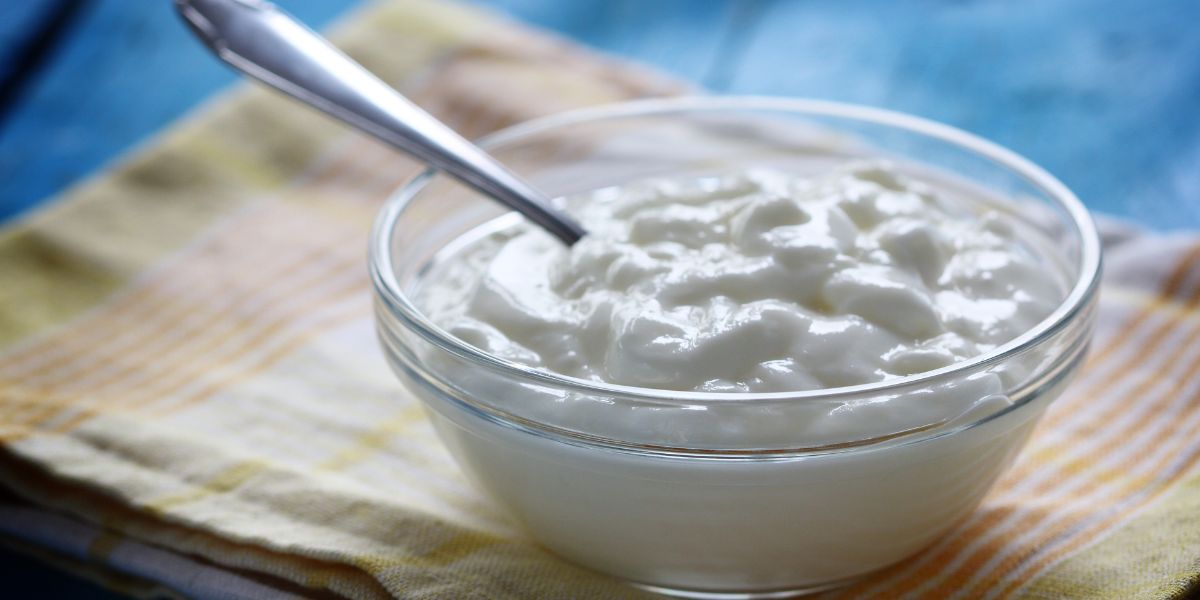
Diabetes is a common health condition in India, affecting millions of people, where the body struggles to control blood sugar levels. This can lead to problems like heart disease, kidney issues, and nerve damage if not managed well. Many Indians turn to traditional foods like curd, also known as yoghurt or dahi, to help with diabetes.
Curd is a fermented dairy product made by adding bacteria to milk, giving it a tangy taste and creamy texture. It is eaten plain, with meals, or in recipes like raita. But is curd good for people with diabetes?
In this article, we will explore the benefits, risks, and ways to include curd in your diet. By the end, you will understand how curd can play a role in diabetes management.
Nutritional Profile and Benefits of Curd
Aspect / Nutrient
Details
Protein
~8 g per cup (245 g of plain low-fat curd)
Carbohydrates
~12 g (mainly lactose, natural milk sugar)
Calories
~150–200 (varies with fat content)
Calcium
Rich source; supports strong bones and teeth
Probiotics
Contains good bacteria that aid gut health and digestion
Glycemic Index (GI)
14–36 (low GI, helps keep blood sugar steady)
Diabetes Benefit
Low GI makes curd suitable for people with diabetes as it doesn’t cause quick spikes in sugar levels
Cultural Note
Commonly eaten in India with meals like dal-chawal or as a cooling side dish
Benefits of Curd for Diabetes
Curd has several health advantages for people with diabetes due to its nutrients and probiotics. Below, we explain each benefit clearly, backed by Indian research papers.
1. Low Glycemic Index Helps Control Blood Sugar
The GI of curd is low because fermentation breaks down lactose into lactic acid, slowing sugar absorption. This prevents sudden spikes in blood sugar after eating, which is essential for type 2 diabetes, where insulin doesn't work well. A steady release of sugar helps avoid energy crashes and keeps you feeling full longer.
An Indian research paper from the National Dairy Research Institute, Karnal, studied the effect of skim milk and dahi on blood glucose in diabetic rats.
The study found that dahi delayed the rise in blood sugar and improved insulin response compared to plain milk. Rats fed dahi showed better glucose tolerance, suggesting curd can help manage hyperglycemia in diabetes. Effect of Skim Milk and Dahi on Blood Glucose
2. Probiotics Improve Gut Health and Insulin Sensitivity
Curd contains probiotics like Lactobacillus, which balance gut bacteria. A healthy gut microbiome helps regulate blood sugar by improving how the body uses insulin. Poor gut health can lead to inflammation and insulin resistance, which are common in diabetes.
Probiotics in curd may reduce this by promoting good bacteria that produce short-chain fatty acids, which enhance insulin action.
A study from the National Dairy Research Institute, Karnal, examined the antidiabetic effect of probiotic dahi with Lactobacillus acidophilus and Lactobacillus casei in diabetic rats.
The probiotic curd delayed glucose intolerance, reduced hyperglycemia, and improved insulin levels. It also lowered oxidative stress, showing curd's potential to slow diabetes progression through gut health. Antidiabetic Effect of Probiotic Dahi
3. High Protein Content Aids Weight Management
Curd is a good source of protein (about 10 grams per cup), which helps build muscles and keeps you satisfied, reducing overeating. Weight loss or maintenance is key for type 2 diabetes, as extra fat makes insulin less effective. Protein in curd also slows carb digestion, preventing sugar spikes.
Indian researchers at the National Dairy Research Institute studied oral administration of probiotic dahi in streptozotocin-induced diabetic rats.
The curd delayed diabetes progression, improved lipid profiles, and supported weight stability by enhancing insulin secretion and reducing dyslipidemia. This highlights curd's role in managing weight-related diabetes risks. Oral Administration of Probiotic Dahi in Diabetic Rats
4. Calcium and Vitamin D Support Bone and Heart Health
Curd provides calcium (about 300 mg per cup) and vitamin D, which strengthen bones – important for diabetics at risk of osteoporosis from poor blood flow. Calcium also helps regulate insulin release from the pancreas. For heart health, curd's nutrients lower cholesterol and blood pressure, reducing cardiovascular risks in diabetes.
A research paper from the University of Agricultural Sciences, Dharwad, and other Indian institutions explored traditional Indian dietary practices for pediatric diabetes management.
It found that curd, as part of the Indian thali, provides probiotics and calcium that improve glycemic control and bone health in children with diabetes.
Fermented curd enhances nutrient absorption, supporting overall diabetes management. Traditional Indian Dietary Practices for Diabetes
5. Reduces Inflammation and Oxidative Stress
Diabetes causes inflammation and oxidative stress, damaging cells and worsening complications like neuropathy. Curd's probiotics and antioxidants (from milk proteins) fight this by modulating immune responses and neutralising free radicals.
In a study from the National Dairy Research Institute, probiotic dahi reduced oxidative stress markers in diabetic rats, protecting organs like the liver and kidneys. The curd improved antioxidant enzyme levels, delaying diabetes onset and reducing inflammation-linked issues. Probiotic Dahi and Oxidative Stress in Diabetes
Risks of Curd for Diabetes
While curd has many benefits, there are some risks, especially if not chosen wisely. We explain each risk in detail.
1. Lactose Content Can Raise Blood Sugar
Curd has lactose, a natural sugar that breaks down into glucose. Though fermentation reduces it, full-fat or sweetened curd can still raise blood sugar if eaten in large amounts. For lactose-intolerant diabetics, this might cause digestive issues and indirect sugar spikes from discomfort.
An Indian paper from the Department of Food Science and Technology, Savitribai Phule Pune University, Maharashtra, investigated curd's role in diabetes progression.
It found that longer-fermented curd (24 hours) increased protein glycation and inflammation, potentially worsening blood sugar control due to higher dicarbonyls. Shorter-set curd (12 hours) was safer. Role of Curd in Diabetes Progression
2. High Fat in Full-Fat Curd Affects Cholesterol
Full-fat curd has saturated fats that can raise LDL cholesterol if overconsumed, increasing heart risks in diabetes. Diabetics need to watch their fats to avoid weight gain and insulin resistance.
The Pune University study noted that yoghurt and longer-set curd promoted inflammation in tissues, which could elevate cholesterol and complicate diabetes management. Opting for low-fat versions is advised. Role of Curd in Diabetes Progression
3. Added Sugars in Flavoured Curd
Store-bought or sweetened curd often has added sugar, spiking blood sugar quickly. In India, many commercial curd products include flavours that add carbs.
The Savitribai Phule Pune University research warned that commercial yoghurt with additives could enhance glycation, leading to higher diabetes risks. Plain, homemade curd is better. Role of Curd in Diabetes Progression
4. Digestive Issues for Some
Probiotics can cause bloating or gas initially, especially for those with gut sensitivities. Diabetics with gastroparesis may find curd hard to digest.
A study on probiotic curd supplementation in pre-diabetic Indians found mild digestive side effects in some participants, though overall benefits outweighed them. Start small to avoid issues. Effect of Probiotic Curd in Pre-diabetes
5. Allergic Reactions or Contamination
Rare milk allergies can cause rashes or swelling. Homemade curd might have contamination if not prepared hygienically, leading to infections that are risky for diabetics with weak immunity.
Indian guidelines in the traditional diet paper emphasise hygienic preparation of curd to avoid bacterial risks in diabetes patients. Traditional Indian Dietary Practices for Diabetes
Including Curd in Your Diet
Curd can be added safely to a diabetes diet with these tips, tailored for Indian meals.
Choose Low-Fat, Plain Curd: Opt for homemade or low-fat dahi without sugar. One bowl (150 grams) daily is ideal.
Portion Control: Eat 100-200 grams per serving to keep carbs under 15 grams.
Pair with Low-GI Foods: Mix with veggies in raita or eat with whole grains like roti to balance sugar.
In Recipes: Use in kadhi, lassi (unsweetened), or as a marinade. Add spices like cumin for flavour without calories.
Timing: Have at lunch or dinner to aid digestion and stabilise post-meal sugar.
Tips: Use fresh milk for homemade curd. If lactose-intolerant, try lactose-free versions. Monitor blood sugar after eating.
Conclusion
Curd is generally good for diabetes in moderation, offering low GI, probiotics, protein, and calcium that control blood sugar, improve gut health, and reduce inflammation. Indian research papers from Karnal, Pune, and others show probiotic curd delays diabetes progression and enhances insulin sensitivity.
However, risks like lactose, fats, and additives mean choosing plain, low-fat curd and watch portions. Include it in traditional Indian meals for better management, but consult a doctor for personalised advice.
References:
1. Effect of Skim Milk and Dahi on Blood Glucose - National Dairy Research Institute, Karnal.
Diabetes is a common health condition in India, affecting millions of people, where the body struggles to control blood sugar levels. This can lead to problems like heart disease, kidney issues, and nerve damage if not managed well. Many Indians turn to traditional foods like curd, also known as yoghurt or dahi, to help with diabetes.
Curd is a fermented dairy product made by adding bacteria to milk, giving it a tangy taste and creamy texture. It is eaten plain, with meals, or in recipes like raita. But is curd good for people with diabetes?
In this article, we will explore the benefits, risks, and ways to include curd in your diet. By the end, you will understand how curd can play a role in diabetes management.
Nutritional Profile and Benefits of Curd
Aspect / Nutrient
Details
Protein
~8 g per cup (245 g of plain low-fat curd)
Carbohydrates
~12 g (mainly lactose, natural milk sugar)
Calories
~150–200 (varies with fat content)
Calcium
Rich source; supports strong bones and teeth
Probiotics
Contains good bacteria that aid gut health and digestion
Glycemic Index (GI)
14–36 (low GI, helps keep blood sugar steady)
Diabetes Benefit
Low GI makes curd suitable for people with diabetes as it doesn’t cause quick spikes in sugar levels
Cultural Note
Commonly eaten in India with meals like dal-chawal or as a cooling side dish
Benefits of Curd for Diabetes
Curd has several health advantages for people with diabetes due to its nutrients and probiotics. Below, we explain each benefit clearly, backed by Indian research papers.
1. Low Glycemic Index Helps Control Blood Sugar
The GI of curd is low because fermentation breaks down lactose into lactic acid, slowing sugar absorption. This prevents sudden spikes in blood sugar after eating, which is essential for type 2 diabetes, where insulin doesn't work well. A steady release of sugar helps avoid energy crashes and keeps you feeling full longer.
An Indian research paper from the National Dairy Research Institute, Karnal, studied the effect of skim milk and dahi on blood glucose in diabetic rats.
The study found that dahi delayed the rise in blood sugar and improved insulin response compared to plain milk. Rats fed dahi showed better glucose tolerance, suggesting curd can help manage hyperglycemia in diabetes. Effect of Skim Milk and Dahi on Blood Glucose
2. Probiotics Improve Gut Health and Insulin Sensitivity
Curd contains probiotics like Lactobacillus, which balance gut bacteria. A healthy gut microbiome helps regulate blood sugar by improving how the body uses insulin. Poor gut health can lead to inflammation and insulin resistance, which are common in diabetes.
Probiotics in curd may reduce this by promoting good bacteria that produce short-chain fatty acids, which enhance insulin action.
A study from the National Dairy Research Institute, Karnal, examined the antidiabetic effect of probiotic dahi with Lactobacillus acidophilus and Lactobacillus casei in diabetic rats.
The probiotic curd delayed glucose intolerance, reduced hyperglycemia, and improved insulin levels. It also lowered oxidative stress, showing curd's potential to slow diabetes progression through gut health. Antidiabetic Effect of Probiotic Dahi
3. High Protein Content Aids Weight Management
Curd is a good source of protein (about 10 grams per cup), which helps build muscles and keeps you satisfied, reducing overeating. Weight loss or maintenance is key for type 2 diabetes, as extra fat makes insulin less effective. Protein in curd also slows carb digestion, preventing sugar spikes.
Indian researchers at the National Dairy Research Institute studied oral administration of probiotic dahi in streptozotocin-induced diabetic rats.
The curd delayed diabetes progression, improved lipid profiles, and supported weight stability by enhancing insulin secretion and reducing dyslipidemia. This highlights curd's role in managing weight-related diabetes risks. Oral Administration of Probiotic Dahi in Diabetic Rats
4. Calcium and Vitamin D Support Bone and Heart Health
Curd provides calcium (about 300 mg per cup) and vitamin D, which strengthen bones – important for diabetics at risk of osteoporosis from poor blood flow. Calcium also helps regulate insulin release from the pancreas. For heart health, curd's nutrients lower cholesterol and blood pressure, reducing cardiovascular risks in diabetes.
A research paper from the University of Agricultural Sciences, Dharwad, and other Indian institutions explored traditional Indian dietary practices for pediatric diabetes management.
It found that curd, as part of the Indian thali, provides probiotics and calcium that improve glycemic control and bone health in children with diabetes.
Fermented curd enhances nutrient absorption, supporting overall diabetes management. Traditional Indian Dietary Practices for Diabetes
5. Reduces Inflammation and Oxidative Stress
Diabetes causes inflammation and oxidative stress, damaging cells and worsening complications like neuropathy. Curd's probiotics and antioxidants (from milk proteins) fight this by modulating immune responses and neutralising free radicals.
In a study from the National Dairy Research Institute, probiotic dahi reduced oxidative stress markers in diabetic rats, protecting organs like the liver and kidneys. The curd improved antioxidant enzyme levels, delaying diabetes onset and reducing inflammation-linked issues. Probiotic Dahi and Oxidative Stress in Diabetes
Risks of Curd for Diabetes
While curd has many benefits, there are some risks, especially if not chosen wisely. We explain each risk in detail.
1. Lactose Content Can Raise Blood Sugar
Curd has lactose, a natural sugar that breaks down into glucose. Though fermentation reduces it, full-fat or sweetened curd can still raise blood sugar if eaten in large amounts. For lactose-intolerant diabetics, this might cause digestive issues and indirect sugar spikes from discomfort.
An Indian paper from the Department of Food Science and Technology, Savitribai Phule Pune University, Maharashtra, investigated curd's role in diabetes progression.
It found that longer-fermented curd (24 hours) increased protein glycation and inflammation, potentially worsening blood sugar control due to higher dicarbonyls. Shorter-set curd (12 hours) was safer. Role of Curd in Diabetes Progression
2. High Fat in Full-Fat Curd Affects Cholesterol
Full-fat curd has saturated fats that can raise LDL cholesterol if overconsumed, increasing heart risks in diabetes. Diabetics need to watch their fats to avoid weight gain and insulin resistance.
The Pune University study noted that yoghurt and longer-set curd promoted inflammation in tissues, which could elevate cholesterol and complicate diabetes management. Opting for low-fat versions is advised. Role of Curd in Diabetes Progression
3. Added Sugars in Flavoured Curd
Store-bought or sweetened curd often has added sugar, spiking blood sugar quickly. In India, many commercial curd products include flavours that add carbs.
The Savitribai Phule Pune University research warned that commercial yoghurt with additives could enhance glycation, leading to higher diabetes risks. Plain, homemade curd is better. Role of Curd in Diabetes Progression
4. Digestive Issues for Some
Probiotics can cause bloating or gas initially, especially for those with gut sensitivities. Diabetics with gastroparesis may find curd hard to digest.
A study on probiotic curd supplementation in pre-diabetic Indians found mild digestive side effects in some participants, though overall benefits outweighed them. Start small to avoid issues. Effect of Probiotic Curd in Pre-diabetes
5. Allergic Reactions or Contamination
Rare milk allergies can cause rashes or swelling. Homemade curd might have contamination if not prepared hygienically, leading to infections that are risky for diabetics with weak immunity.
Indian guidelines in the traditional diet paper emphasise hygienic preparation of curd to avoid bacterial risks in diabetes patients. Traditional Indian Dietary Practices for Diabetes
Including Curd in Your Diet
Curd can be added safely to a diabetes diet with these tips, tailored for Indian meals.
Choose Low-Fat, Plain Curd: Opt for homemade or low-fat dahi without sugar. One bowl (150 grams) daily is ideal.
Portion Control: Eat 100-200 grams per serving to keep carbs under 15 grams.
Pair with Low-GI Foods: Mix with veggies in raita or eat with whole grains like roti to balance sugar.
In Recipes: Use in kadhi, lassi (unsweetened), or as a marinade. Add spices like cumin for flavour without calories.
Timing: Have at lunch or dinner to aid digestion and stabilise post-meal sugar.
Tips: Use fresh milk for homemade curd. If lactose-intolerant, try lactose-free versions. Monitor blood sugar after eating.
Conclusion
Curd is generally good for diabetes in moderation, offering low GI, probiotics, protein, and calcium that control blood sugar, improve gut health, and reduce inflammation. Indian research papers from Karnal, Pune, and others show probiotic curd delays diabetes progression and enhances insulin sensitivity.
However, risks like lactose, fats, and additives mean choosing plain, low-fat curd and watch portions. Include it in traditional Indian meals for better management, but consult a doctor for personalised advice.
References:
1. Effect of Skim Milk and Dahi on Blood Glucose - National Dairy Research Institute, Karnal.
Diabetes is a health condition where the body struggles to keep blood sugar levels in check, which can lead to serious issues like heart disease, kidney problems, or nerve damage if not managed pro...
Diabetes is a widespread health condition in India, affecting over 100 million people, where the body struggles to regulate blood sugar levels, leading to potential complications like heart disease...