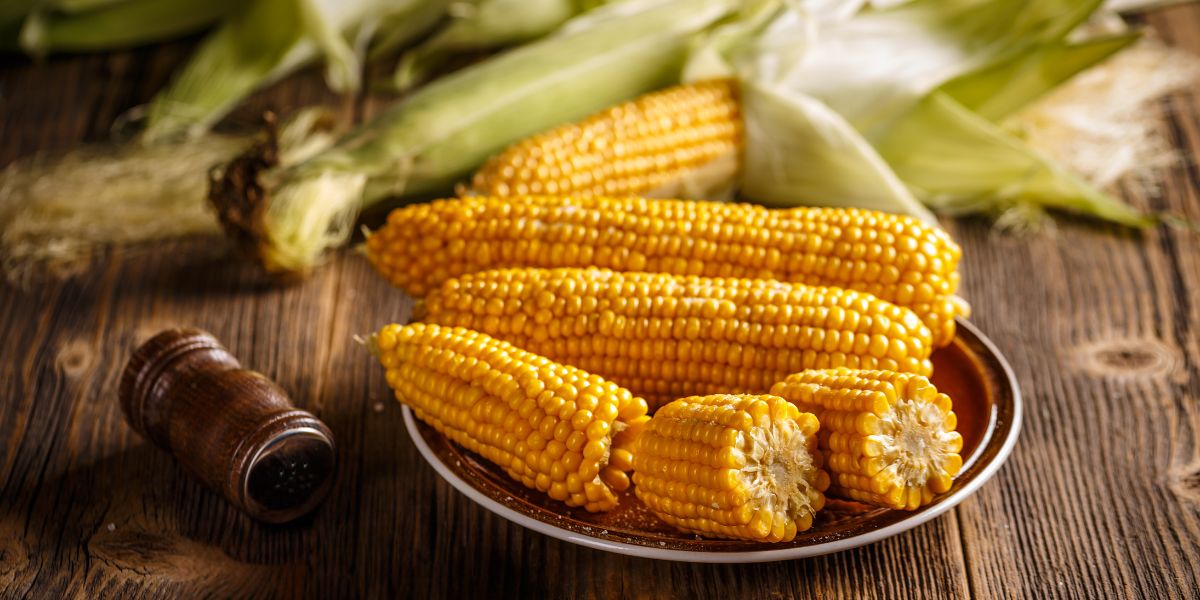
Diabetes is a common health issue where the body cannot properly manage blood sugar levels, leading to risks like heart problems, kidney damage, and nerve issues. In India, millions live with diabetes, and diet plays a big role in controlling it. Corn, also known as maize, is a popular food in Indian diets, think makki ki roti in Punjab or boiled corn as a street snack.
It's a starchy vegetable or grain, depending on how you see it, with a sweet taste and bright yellow kernels. But is corn good for people with diabetes? It has both upsides and downsides.
In this article, we'll cover the nutritional profile, benefits, risks, and ways to include corn safely.
Nutritional and Health Aspects of Corn (per 100g boiled corn)
Lutein, Zeaxanthin – protect eye health (important for diabetes-related retinopathy)
Glycemic Index (GI)
Fresh boiled corn: ~55 (low to medium GI)
Processed forms (e.g., cornflakes): 70+ (high GI)
Health Note
Doesn’t always spike blood sugar quickly, but portion control is essential.
Glycemic Index (GI) of Different Corn Forms
Corn Form
Approx. GI Value
Notes
Fresh Boiled Corn
~55 (Low–Medium)
Gentle impact on blood sugar; good source of fibre and antioxidants.
Makki ka Atta (Corn Flour)
~68 (Medium–High)
Often used in rotis; higher GI than fresh corn, portion control advised.
Popcorn (Plain, Unsalted, Air-popped)
~65 (Medium)
It can be healthy if eaten plain, but butter/salt/sugar raise calories and glycemic load.
Cornflakes (Processed)
70–85 (High)
Rapidly raises blood sugar; the least suitable option for diabetes.
Benefits of Corn for Diabetes
Corn can support diabetes management when eaten right, thanks to its fibre, nutrients, and specific properties that slow sugar absorption. Let's explore these benefits in detail, backed by Indian research.
1. Helps Control Blood Sugar with Low to Medium GI
The GI shows how fast a food raises blood sugar. Foods with low GI (under 55) release sugar slowly, helping keep levels steady. Boiled or roasted corn often falls in the low to medium range, making it better than white rice (GI 73) or bread (GI 70+). The fibre in corn forms a gel in the gut, trapping sugars and delaying their entry into the blood. This prevents post-meal spikes, which is crucial for type 2 diabetes, the most common type in India.
An Indian study examined the effect of cooking methods on the GI of common corn varieties like dent, flint, and sweet corn.
Effect of Cooking on Glycemic Index of Corn in India. Researchers tested boiled corn (GI 56.19), baby corn (GI 56.92), and coal-roasted corn (GI 64.57), finding them significantly lower than processed forms (p<0.05).
They used in vitro tests measuring starch digestibility and amylase inhibition, showing boiled corn had more resistant starch (1.64g/100g), which resists digestion and lowers GI.
This suggests traditional Indian methods like boiling or roasting are ideal for diabetics, reducing the risk of hyperglycemia.
2. High Fibre Content for Better Digestion and Insulin Sensitivity
Corn has 2-3 grams of fibre per 100 grams, including both soluble and insoluble types. Soluble fibre (like beta-glucan in some varieties) lowers cholesterol and improves insulin sensitivity by slowing carb breakdown. Insoluble fibre adds bulk to stool, preventing constipation, a common issue in diabetics due to medications or high-sugar diets. Better gut health from fibre also reduces inflammation, which worsens insulin resistance.
In India, where diets are carb-heavy, corn's fibre can replace refined grains. A study on glycaemic response to maize in healthy and non-insulin-dependent diabetes mellitus (NIDDM) patients found maize's response similar to white bread in diabetics, but its fibre made it more satiating.
Glycaemic Response to Maize in Indian Subjects. Conducted on 14 NIDDM patients, it measured blood sugar after eating 50g carb portions of maize, showing no significant difference from bread but highlighting the fibre's role in steady release. The researchers noted maize could be part of a balanced diet for Indian diabetics, mainly when whole.
3. Rich in Antioxidants to Prevent Complications
Diabetes increases oxidative stress, damaging cells and leading to complications like heart disease or eye problems. Corn's yellow colour comes from carotenoids like lutein and zeaxanthin, powerful antioxidants that protect eyes from diabetic retinopathy. It also has ferulic acid, which fights inflammation and improves vascular health, reducing the risks of cardiovascular issues common in Indian diabetics.
Research on Indian maize lines focused on starch digestibility and health benefits.
Starch Digestibility in Indian Maize for Diabetes. Scientists analysed 20 Indian maize varieties, finding high-amylose types (like those from Punjab and Maharashtra) had lower glycemic responses due to slowly digestible starch (up to 30% more than normal maize).
This resistant starch (RS) lowers postprandial glucose by 20-30%, beneficial for type 2 diabetes. The study used in vitro digestion models and animal tests, concluding that high-amylose Indian maize could prevent obesity and diabetes by reducing calorie absorption and improving gut health.
4. Provides Essential Nutrients for Overall Health
Corn offers folate (vitamin B9) for heart health, magnesium to regulate blood pressure, and phosphorus for bone strength. Diabetics often have nutrient gaps, and corn fills them without many calories. For example, one ear of corn (100g) gives 10% of daily magnesium needs, helping control hypertension, which affects 70% of Indian diabetics.
The same maize digestibility study highlighted how Indian corn's nutrients, combined with RS, support metabolic health. Varieties like quality protein maize (QPM) from Indian farms had higher lysine and tryptophan, aiding protein use and preventing malnutrition in low-income diabetic groups.
5. Supports Weight Management
At 86-100 calories per 100g, corn is low-calorie and filling due to its fibre and water content. Weight loss improves insulin sensitivity, and corn can help by replacing high-calorie snacks. In India, where obesity fuels diabetes, fresh corn curbs hunger without spiking sugar.
Risks of Corn for Diabetes
While beneficial, corn isn't perfect for diabetes. Its carb content and preparation methods can pose challenges. Here's a detailed look.
1. High Carbohydrate Load
Corn is 70-80% carbs, so large portions (like a full cob) can add 30+ grams of carbs, raising blood sugar if not balanced. For diabetics, total daily carbs should be 45-60g per meal, so overeating corn exceeds this.
The cooking study showed corn flour and flakes have a high GI (82+), as processing breaks down fibre, releasing sugars faster. In Indian diets, makki ki roti (GI ~70) can spike if eaten plain.
2. Processed Forms Increase GI
Refined corn products like cornflakes or popcorn with butter have a high GI due to low fibre and added sugars/oils. The study found cornflakes had a GI of 81.65, similar to white rice, worsening glycemic control.
In India, urban diabetics consume more processed corn snacks, leading to weight gain and poor control.
3. Potential for Digestive Issues
High fibre is good, but sudden increases can cause bloating or gas, especially for those with gastroparesis (slow digestion in diabetes). Corn's tough outer layer may irritate the gut if not chewed well.
4. Pesticide and GMO Concerns
Indian corn may have pesticide residues, affecting liver health in diabetics. Some hybrid varieties are GMO, though not widespread, raising allergy or long-term risks. Opt for organic to minimise.
5. Interaction with Medications
Corn's potassium can affect blood pressure meds, and its carbs might need insulin adjustments. Always monitor levels.
Including Corn in Your Diet
Corn can be diabetes-friendly if prepared and portioned correctly. In Indian cuisine, use it wisely.
Fresh Boiled Corn: Boil a small cob (100g) with spices like cumin. GI low, fibre intact. Eat as a snack with chaat masala.
Makki ki Roti: Make thin rotis with whole corn flour, pair with sabzi or curd. Limit to 1-2 per meal.
Salads or Soups: Add kernels to veggie salads or corn soup for a fibre boost. Avoid creamy versions.
Popcorn: Air-pop plain kernels (GI 55), no butter. A cup (20g) is a low-cal snack.
Baby Corn Stir-Fry: Stir-fry with veggies and minimal oil for low GI.
Tips: Portion 1/2 cup cooked corn per serving. Pair with protein (dal, paneer) and fats (nuts) to lower overall GI. Monitor blood sugar post-meal. Choose local Indian varieties like desi makka for better nutrition. Store fresh corn in the fridge for 2-3 days.
Conclusion
Corn can be good for diabetes in moderation, especially fresh, boiled, or roasted forms with low to medium GI, fibre for digestion, and antioxidants for complication prevention. Indian studies confirm boiled corn's GI (56) suits diabetics, high-amylose varieties lower sugar absorption, and maize responses aid balanced diets. Effect of Cooking on Glycemic Index, Glycaemic Response to Maize, Starch Digestibility in Indian Maize.
However, high-carb content, processed high-GI forms, and overeating pose risks like spikes and weight gain. Use small portions, traditional preparations, and consult a doctor or dietitian. In Indian meals, corn adds variety. Enjoy makki ki roti with greens for a tasty, controlled way to manage diabetes alongside exercise and meds.
References:
1. Effect of Cooking on Glycemic Index of Commonly Consumed Corn in India
Diabetes is a common health issue where the body cannot properly manage blood sugar levels, leading to risks like heart problems, kidney damage, and nerve issues. In India, millions live with diabetes, and diet plays a big role in controlling it. Corn, also known as maize, is a popular food in Indian diets, think makki ki roti in Punjab or boiled corn as a street snack.
It's a starchy vegetable or grain, depending on how you see it, with a sweet taste and bright yellow kernels. But is corn good for people with diabetes? It has both upsides and downsides.
In this article, we'll cover the nutritional profile, benefits, risks, and ways to include corn safely.
Nutritional and Health Aspects of Corn (per 100g boiled corn)
Lutein, Zeaxanthin – protect eye health (important for diabetes-related retinopathy)
Glycemic Index (GI)
Fresh boiled corn: ~55 (low to medium GI)
Processed forms (e.g., cornflakes): 70+ (high GI)
Health Note
Doesn’t always spike blood sugar quickly, but portion control is essential.
Glycemic Index (GI) of Different Corn Forms
Corn Form
Approx. GI Value
Notes
Fresh Boiled Corn
~55 (Low–Medium)
Gentle impact on blood sugar; good source of fibre and antioxidants.
Makki ka Atta (Corn Flour)
~68 (Medium–High)
Often used in rotis; higher GI than fresh corn, portion control advised.
Popcorn (Plain, Unsalted, Air-popped)
~65 (Medium)
It can be healthy if eaten plain, but butter/salt/sugar raise calories and glycemic load.
Cornflakes (Processed)
70–85 (High)
Rapidly raises blood sugar; the least suitable option for diabetes.
Benefits of Corn for Diabetes
Corn can support diabetes management when eaten right, thanks to its fibre, nutrients, and specific properties that slow sugar absorption. Let's explore these benefits in detail, backed by Indian research.
1. Helps Control Blood Sugar with Low to Medium GI
The GI shows how fast a food raises blood sugar. Foods with low GI (under 55) release sugar slowly, helping keep levels steady. Boiled or roasted corn often falls in the low to medium range, making it better than white rice (GI 73) or bread (GI 70+). The fibre in corn forms a gel in the gut, trapping sugars and delaying their entry into the blood. This prevents post-meal spikes, which is crucial for type 2 diabetes, the most common type in India.
An Indian study examined the effect of cooking methods on the GI of common corn varieties like dent, flint, and sweet corn.
Effect of Cooking on Glycemic Index of Corn in India. Researchers tested boiled corn (GI 56.19), baby corn (GI 56.92), and coal-roasted corn (GI 64.57), finding them significantly lower than processed forms (p<0.05).
They used in vitro tests measuring starch digestibility and amylase inhibition, showing boiled corn had more resistant starch (1.64g/100g), which resists digestion and lowers GI.
This suggests traditional Indian methods like boiling or roasting are ideal for diabetics, reducing the risk of hyperglycemia.
2. High Fibre Content for Better Digestion and Insulin Sensitivity
Corn has 2-3 grams of fibre per 100 grams, including both soluble and insoluble types. Soluble fibre (like beta-glucan in some varieties) lowers cholesterol and improves insulin sensitivity by slowing carb breakdown. Insoluble fibre adds bulk to stool, preventing constipation, a common issue in diabetics due to medications or high-sugar diets. Better gut health from fibre also reduces inflammation, which worsens insulin resistance.
In India, where diets are carb-heavy, corn's fibre can replace refined grains. A study on glycaemic response to maize in healthy and non-insulin-dependent diabetes mellitus (NIDDM) patients found maize's response similar to white bread in diabetics, but its fibre made it more satiating.
Glycaemic Response to Maize in Indian Subjects. Conducted on 14 NIDDM patients, it measured blood sugar after eating 50g carb portions of maize, showing no significant difference from bread but highlighting the fibre's role in steady release. The researchers noted maize could be part of a balanced diet for Indian diabetics, mainly when whole.
3. Rich in Antioxidants to Prevent Complications
Diabetes increases oxidative stress, damaging cells and leading to complications like heart disease or eye problems. Corn's yellow colour comes from carotenoids like lutein and zeaxanthin, powerful antioxidants that protect eyes from diabetic retinopathy. It also has ferulic acid, which fights inflammation and improves vascular health, reducing the risks of cardiovascular issues common in Indian diabetics.
Research on Indian maize lines focused on starch digestibility and health benefits.
Starch Digestibility in Indian Maize for Diabetes. Scientists analysed 20 Indian maize varieties, finding high-amylose types (like those from Punjab and Maharashtra) had lower glycemic responses due to slowly digestible starch (up to 30% more than normal maize).
This resistant starch (RS) lowers postprandial glucose by 20-30%, beneficial for type 2 diabetes. The study used in vitro digestion models and animal tests, concluding that high-amylose Indian maize could prevent obesity and diabetes by reducing calorie absorption and improving gut health.
4. Provides Essential Nutrients for Overall Health
Corn offers folate (vitamin B9) for heart health, magnesium to regulate blood pressure, and phosphorus for bone strength. Diabetics often have nutrient gaps, and corn fills them without many calories. For example, one ear of corn (100g) gives 10% of daily magnesium needs, helping control hypertension, which affects 70% of Indian diabetics.
The same maize digestibility study highlighted how Indian corn's nutrients, combined with RS, support metabolic health. Varieties like quality protein maize (QPM) from Indian farms had higher lysine and tryptophan, aiding protein use and preventing malnutrition in low-income diabetic groups.
5. Supports Weight Management
At 86-100 calories per 100g, corn is low-calorie and filling due to its fibre and water content. Weight loss improves insulin sensitivity, and corn can help by replacing high-calorie snacks. In India, where obesity fuels diabetes, fresh corn curbs hunger without spiking sugar.
Risks of Corn for Diabetes
While beneficial, corn isn't perfect for diabetes. Its carb content and preparation methods can pose challenges. Here's a detailed look.
1. High Carbohydrate Load
Corn is 70-80% carbs, so large portions (like a full cob) can add 30+ grams of carbs, raising blood sugar if not balanced. For diabetics, total daily carbs should be 45-60g per meal, so overeating corn exceeds this.
The cooking study showed corn flour and flakes have a high GI (82+), as processing breaks down fibre, releasing sugars faster. In Indian diets, makki ki roti (GI ~70) can spike if eaten plain.
2. Processed Forms Increase GI
Refined corn products like cornflakes or popcorn with butter have a high GI due to low fibre and added sugars/oils. The study found cornflakes had a GI of 81.65, similar to white rice, worsening glycemic control.
In India, urban diabetics consume more processed corn snacks, leading to weight gain and poor control.
3. Potential for Digestive Issues
High fibre is good, but sudden increases can cause bloating or gas, especially for those with gastroparesis (slow digestion in diabetes). Corn's tough outer layer may irritate the gut if not chewed well.
4. Pesticide and GMO Concerns
Indian corn may have pesticide residues, affecting liver health in diabetics. Some hybrid varieties are GMO, though not widespread, raising allergy or long-term risks. Opt for organic to minimise.
5. Interaction with Medications
Corn's potassium can affect blood pressure meds, and its carbs might need insulin adjustments. Always monitor levels.
Including Corn in Your Diet
Corn can be diabetes-friendly if prepared and portioned correctly. In Indian cuisine, use it wisely.
Fresh Boiled Corn: Boil a small cob (100g) with spices like cumin. GI low, fibre intact. Eat as a snack with chaat masala.
Makki ki Roti: Make thin rotis with whole corn flour, pair with sabzi or curd. Limit to 1-2 per meal.
Salads or Soups: Add kernels to veggie salads or corn soup for a fibre boost. Avoid creamy versions.
Popcorn: Air-pop plain kernels (GI 55), no butter. A cup (20g) is a low-cal snack.
Baby Corn Stir-Fry: Stir-fry with veggies and minimal oil for low GI.
Tips: Portion 1/2 cup cooked corn per serving. Pair with protein (dal, paneer) and fats (nuts) to lower overall GI. Monitor blood sugar post-meal. Choose local Indian varieties like desi makka for better nutrition. Store fresh corn in the fridge for 2-3 days.
Conclusion
Corn can be good for diabetes in moderation, especially fresh, boiled, or roasted forms with low to medium GI, fibre for digestion, and antioxidants for complication prevention. Indian studies confirm boiled corn's GI (56) suits diabetics, high-amylose varieties lower sugar absorption, and maize responses aid balanced diets. Effect of Cooking on Glycemic Index, Glycaemic Response to Maize, Starch Digestibility in Indian Maize.
However, high-carb content, processed high-GI forms, and overeating pose risks like spikes and weight gain. Use small portions, traditional preparations, and consult a doctor or dietitian. In Indian meals, corn adds variety. Enjoy makki ki roti with greens for a tasty, controlled way to manage diabetes alongside exercise and meds.
References:
1. Effect of Cooking on Glycemic Index of Commonly Consumed Corn in India
Diabetes affects millions in India and worldwide, making it hard for the body to control blood sugar levels. This can lead to problems like heart issues, kidney damage, or poor wound healing if not...
Diabetes is a common health condition where the body has trouble controlling blood sugar levels, leading to high or low sugar that can cause problems like heart issues, kidney damage, or nerve prob...