












Article: Which Dairy Is Best for Digestion in Ayurveda? Milk, Curd, Ghee and Buttermilk Explained
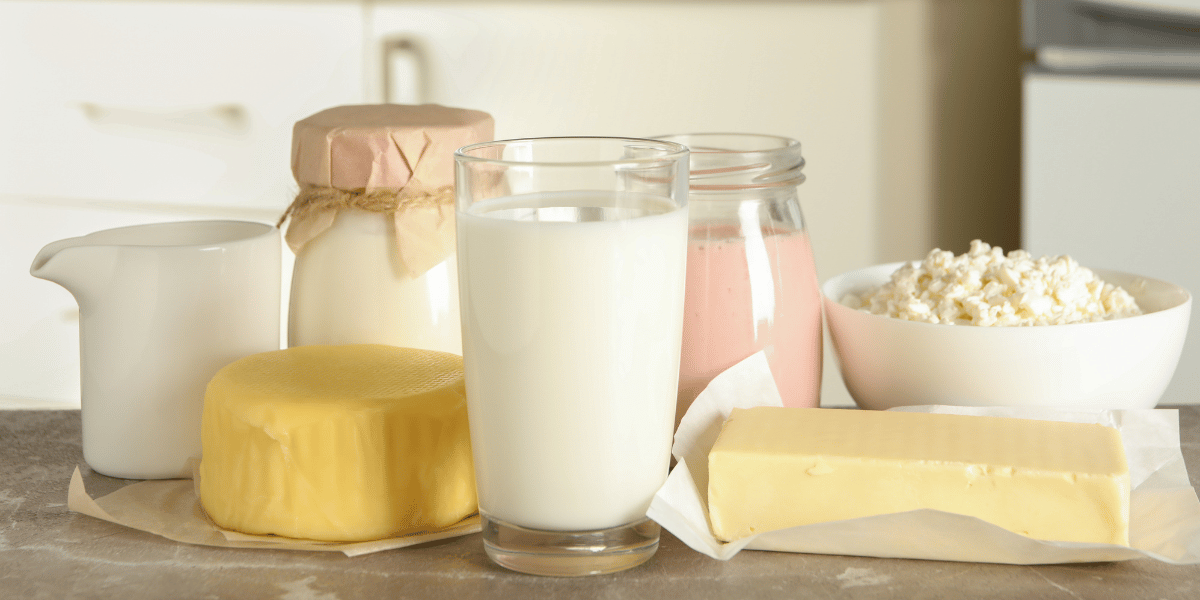
Which Dairy Is Best for Digestion in Ayurveda? Milk, Curd, Ghee and Buttermilk Explained
About 68% of adults worldwide cannot fully digest lactose, the natural sugar in milk, according to a 2017 review in The Lancet Gastroenterology & Hepatology. In India, a 2010 study found abnormal lactose breath tests in 57.1% of North Indians and 78.9% of South Indians.
Ayurveda reached a similar conclusion centuries ago: dairy is not good or bad for everyone. Ghee and buttermilk are suitable for almost everyone; warm spiced milk is beneficial for vata and pitta types, curd is best consumed in small amounts during the day, and cold milk and heavy cheese can be difficult for those with weak digestion. Which dairy you need depends on your dosha, your digestive strength (agni), and how and when you take it.
If milk gives you gas, curd makes you feel heavy, or you are simply confused about what to eat, this guide answers your questions one by one.
What Does Ayurveda Say About Dairy?
Ayurveda calls good-quality milk a complete, nourishing, and sattvic food. It is said to build strength, calm the mind, and support ojas, the body's core vitality.
But Ayurveda has a well-known rule: any substance can be medicine or poison, depending on its use. Dairy illustrates this principle well. The same glass of milk can nourish one person and bloat another.
Ayurveda judges dairy on three things:
- Your agni: How strong your digestion is.
- Your dosha: Whether you are mainly vata, pitta, or kapha.
- The form and timing: Milk, curd, ghee, or buttermilk, and when you take it.
Why Does Milk Upset My Stomach?
There are two answers: a modern one and an Ayurvedic one.
The modern answer: Many adults make less lactase, the enzyme that breaks down lactose. Undigested lactose reaches the colon, where gut bacteria ferment it and make gas. This leads to bloating, cramps, and loose motions.
The Ayurvedic answer: Milk is heavy, cold, and slow to digest. When your agni is weak, milk is not digested properly and forms ama, a sticky, undigested residue. Ama is linked in Ayurveda to heaviness, gas, mucus, and dullness.
Both views point to the same fix: take dairy in a form and amount your gut can handle. If your stomach still feels heavy, gassy, or bloated by evening, even after you cut back on dairy, Zandu Good Gut Detox Shots may help. They are a fermented Ayurvedic tonic made with ajwain, lavang (clove), triphala and draksha. Take two shots a day after meals, as a 45-day course.
Which Dairy Suits My Dosha?
|
Dosha |
Dairy that suits |
Dairy to limit |
Best way to take it |
|
Vata (dry, gassy, irregular digestion) |
Warm milk, ghee, fresh paneer |
Cold milk, aged cheese |
Warm milk with ginger, nutmeg or cardamom at night |
|
Pitta (acidity, heat, irritation) |
Milk, ghee, sweet buttermilk |
Sour curd, hard and salty cheese |
Room-temperature or warm milk, ghee with meals |
|
Kapha (heaviness, mucus, slow digestion) |
Buttermilk, small amounts of ghee |
Cold milk, curd, cheese, ice cream |
Diluted milk boiled with ginger, black pepper or cinnamon |
Not sure of your dosha?
Go by your main digestive complaint. Gas and dryness are associated with vata, acidity and burning with pitta, and heaviness and mucus with kapha.
Is Ghee Easier to Digest Than Milk?

Yes, for most people. Ayurveda calls ghee tridoshic, meaning it suits all three doshas. It is said to kindle agni rather than dampen it, which is why it is added to dal, khichdi and rice.
Ghee also has almost no lactose or milk protein, since these are removed when butter is clarified. That is why many people who cannot handle milk do fine with ghee.
Keep it to 1 to 2 teaspoons per meal. Too much ghee can still feel heavy, especially for kapha types or anyone with high cholesterol.
Why Is Buttermilk Called the Best Dairy for Digestion?
Traditional buttermilk, or takra, is made by churning curd with water and removing the butter. Ayurveda treats it as light, easy to digest and especially useful for loose motions, bloating and a sluggish gut.
It is best after lunch, when digestion is strongest. Add roasted jeera, a pinch of rock salt, and ginger or fresh coriander. Drink it fresh, not sour from sitting out for hours.
There is modern support for fermented dairy too. In 2010, the European Food Safety Authority confirmed that the live cultures in yoghurt help people with lactose maldigestion digest lactose better. Thirteen of the fourteen human studies it reviewed showed this effect.
Is Curd Good for Digestion or Not?
Yes, curd is good for digestion for most people. It is a natural probiotic food, full of live helpful bacteria like Lactobacillus that support your gut microbiome, help break down food and improve nutrient absorption. Its live cultures also help people with lactose intolerance digest the lactose in it better.
Ayurveda adds one important point: curd is sour, heavy and heating. So how much you eat, and when, decides whether it helps or troubles your digestion.
Follow these rules from Ayurveda:
- Eat it in the daytime only: Curd at night is believed to increase mucus and heaviness.
- Keep the portion small: A small bowl with lunch is enough.
- Don't heat it: Heating curd is considered harmful in Ayurveda.
- Add spices: Roasted jeera, black pepper, or a little honey make it easier to digest.
Avoid daily curd if you get acidity, skin flare-ups or sinus trouble. Switch to buttermilk. If acidity keeps coming back and you find yourself reaching for antacids often, Zandu Good Gut Acidity & Bloating Relief Tablets combine muktashukti bhasma (pearl oyster) with GutGard® yashtimadhu (licorice). Take one tablet before lunch and one before dinner.
Are Paneer and Cheese Hard to Digest?

Fresh paneer is lighter and better tolerated than aged or processed cheese. Ayurveda calls most cheese heavy and heating, so it can worsen acidity in pitta types and sluggishness in kapha types.
If you love paneer, eat it at lunch, cook it with jeera, ginger and black pepper, and skip it at a heavy dinner. Keep processed cheese slices, cheese spreads and pizza cheese as occasional foods.
How Should I Drink Milk So It Doesn't Cause Gas?
To drink milk without gas, change how you drink it, how much you drink, and when you drink it. Gas and bloating happen when your gut struggles to digest lactose, the natural sugar in milk. In Ayurveda, they are also a sign that cold, heavy milk has dampened your digestive fire (agni).
These six simple changes help most people:
- Boil it, then drink it warm: Never drink milk straight from the fridge. Cold milk is said to dampen agni.
- Add digestive spices: A pinch of turmeric, cardamom, dry ginger (saunth) or nutmeg makes milk lighter.
- Drink it on its own: Have milk at least an hour apart from a full meal, not as a drink with it.
- Choose the evening: Ayurveda prefers warm milk before bed for calm and sleep.
- Start with a small cup: A 2010 review of 36 trials in the Annals of Internal Medicine found that most people with lactose intolerance can handle 12 to 15 g of lactose, about one cup of milk.
- Dilute it if you are kapha or overweight: Mix half milk and half water, and boil with ginger.
What Should I Never Mix with Milk?
Ayurveda calls these viruddha ahara, or incompatible food combinations. They are believed to upset digestion and create ama.
- Sour and citrus fruits: Orange, lemon, pineapple, tamarind
- Banana: This includes banana milkshakes and smoothies
- Fish and meat: Heavy and heated against cool, sweet milk
- Curd: Milk and curd together are a classic mismatch
- Salt and salty snacks: For example, namkeen with tea or milk
- Melons: They digest fast, while milk digests slowly
Modern research on these combinations is limited. Still, if a combination always leaves you
bloated, that is reason enough to stop it.
Does the Type of Milk I Buy Matter?
Yes, the type of milk you buy matters for your digestion. There is no single best milk for everyone. The right choice depends on how well you digest lactose, your dosha and your health goals.
- Cow milk: Ayurveda considers it lighter and easier to digest than buffalo milk. It suits most people.
- Buffalo milk: richer and heavier, so it can feel hard on weak digestion or for kapha types.
- Full-cream vs toned or skimmed milk: full-cream milk is more filling but heavier. Toned milk is a middle path. Some Ayurvedic doctors advise against skimmed milk, since it changes milk’s natural balance.
- Lactose-free milk: a good option if regular milk always gives you gas or loose motions.
- Plant milks like almond or oat milk: useful if you avoid dairy, but check labels for added sugar and calcium.
Whatever you choose, Ayurveda prefers fresh milk boiled at home over stale or heavily processed milk.
A2 milk is a popular choice today. A 2017 trial in 600 Chinese adults found that milk with only A2 beta-casein caused fewer stomach symptoms than regular milk. However, an A2 milk company funded that research, so we need more independent studies.
Is Dairy Bad if I Have a Cough, Cold or Congestion?
Ayurveda says heavy, cold dairy can increase kapha, which shows up as mucus and congestion. During a cold, it advises avoiding cold milk, curd, ice cream and cheese.
If you want milk while sick, boil it with turmeric, black pepper and dry ginger and take a small cup. Ghee and buttermilk with spices are usually fine.
What If I'm Lactose Intolerant?
You may not need to give up dairy fully. Try this order:
- Ghee: Almost lactose-free and usually well tolerated.
- Buttermilk and set curd: Live cultures help digest lactose.
- Paneer: Often easier than a glass of milk.
- Small amounts of warm, spiced milk: Start with half a cup.
Some Ayurvedic clinics use a slow method, starting with a few spoons of spiced milk at night and increasing gradually. If dairy still causes pain, diarrhoea or rashes, see a doctor to rule out milk allergy or other gut problems. Plant milks like almond or oat milk can be warmed and spiced the same way.
Which Dairy Should I Choose for My Gut Problem?
|
If you have... |
Choose |
Limit |
|
Gas and bloating |
Spiced buttermilk, ghee |
Cold milk, milk with meals |
|
Acidity or heartburn |
Warm milk, ghee |
Sour curd, cheese |
|
Constipation |
Warm milk with 1 tsp ghee at night |
Cheese, paneer at dinner |
|
Loose motions |
Buttermilk with jeera |
Milk, cream |
|
Heaviness after meals |
Buttermilk |
Curd, cheese, sweets made with milk |
|
Poor sleep |
Warm milk with nutmeg or cardamom |
Tea or coffee with milk at night |
If warm milk with ghee at night isn’t enough and you still go a day or two without a motion, Zandu Constipation Relief Tablets combine triphala, haritaki, svarnapatri (senna) and castor oil. Take one tablet at bedtime with water. Avoid them if you are pregnant or have diarrhoea.
How Do I Know If Dairy Suits Me?
Use this simple test from Ayurveda. Notice how you feel 1 to 2 hours after eating dairy.
- It suits you if you feel light, clear and satisfied, with no gas.
- It does not suit you if you feel bloated, gassy, sleepy, foggy or congested.
Try one form at a time for a few days. This tells you more than any general rule.
Conclusion
Ayurveda doesn't ask you to give up dairy. It asks you to choose the right form, in the right amount, at the right time. Ghee and buttermilk suit almost everyone. Warm spiced milk works well for vata and pitta. Curd is best in small amounts at lunch, and kapha types do better with less dairy overall.
Modern research supports much of this. Most people with lactose intolerance can handle about a cup of milk, and fermented dairy is easier to digest than plain milk. Listen to your gut, avoid cold milk and bad combinations, and pick the dairy that leaves you feeling light, not heavy.
Written by

Zanducare
India’s trusted name in Ayurvedic wellness, offering time-tested solutions for today’s health and lifestyle needs. With formulations rooted in classical Ayurvedic texts and crafted using pure natural ingredients, we bring holistic care into your everyday routine.
Research by



Leave a comment
This site is protected by hCaptcha and the hCaptcha Privacy Policy and Terms of Service apply.