






Article: 9 Ways to Reset Your Gut Health & Improve Digestion, Bloating & Energy
9 Ways to Reset Your Gut Health & Improve Digestion, Bloating & Energy
In a 2021 Stanford trial, people who ate fermented foods every day for 10 weeks ended up with more varied gut bacteria and lower levels of 19 inflammatory proteins in their blood. A separate study found that gut bacteria start changing within 24 hours of changing what you eat.
That means you can reset your gut health naturally and faster than most people think: eat a wide mix of plants and fibre, add a fermented food every day, cut back on sugar and ultra-processed food, sleep 7 to 9 hours, move daily and keep stress low. Bloating usually eases in 2 to 4 weeks, while lasting change takes 3 to 6 months.
If you live with bloating, acidity, constipation, or a stomach that just never feels right, this guide helps you reset your gut naturally:
What Does It Actually Mean to Reset Your Gut?
“Gut reset” is not a medical term. It is a popular name for a set of diet and lifestyle changes that help your gut work better. You cannot wipe your digestive system clean and restart it in a few days, and a juice cleanse, detox tea, or fast will not do it either.
When gastroenterologists and researchers talk about improving gut health, they mean two long-term goals:
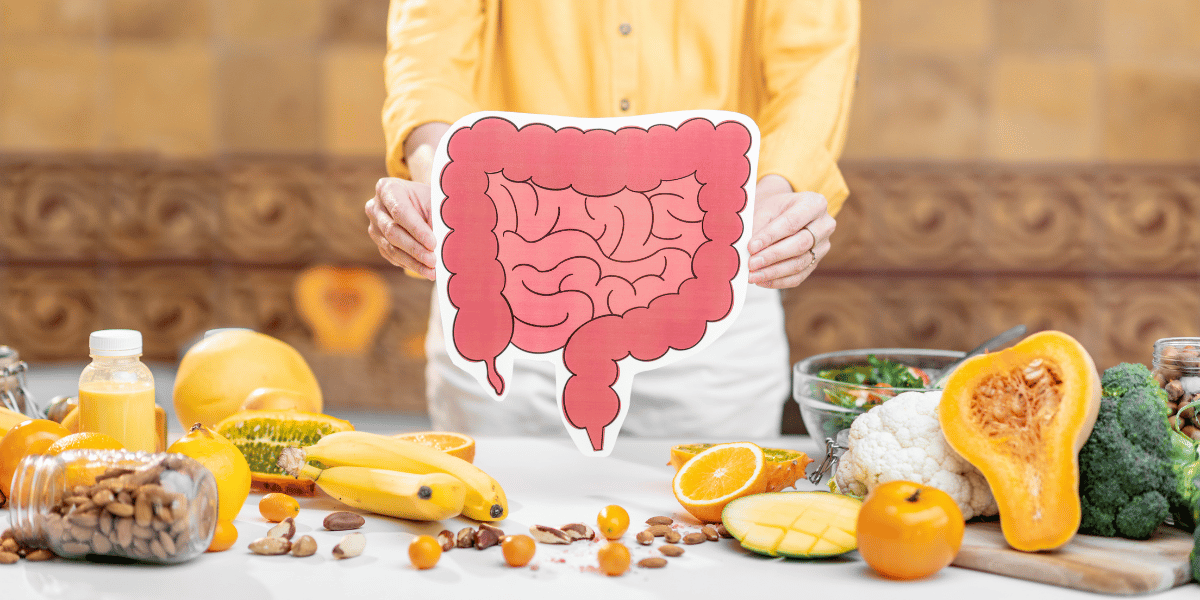
- Rebalancing your gut microbiome: increasing the helpful bacteria among the trillions of microbes (bacteria, fungi, and viruses) that live in your intestines and reducing the harmful ones.
- Strengthening your gut lining: keeping the inner wall of your intestines healthy so it absorbs nutrients well and keeps unwanted substances out of your bloodstream.
When harmful bacteria start to outnumber the helpful ones, doctors call it dysbiosis. It is linked to bloating, irregular bowel movements, and low-grade inflammation.
Your gut bacteria do start to shift within a day of changing your diet. But lasting change comes from habits you keep for weeks and months. So a real gut reset is less like a quick reboot and more like a new daily routine.
How Do I Know If My Gut Needs a Reset?
Your gut likely needs a reset if you have ongoing digestive problems, constant tiredness, skin flare-ups, or new food intolerances. When the balance of your gut microbiome is thrown off by stress, poor diet, illness, or antibiotics, the effects often show up well beyond your stomach.
These are the main warning signs:
- Ongoing digestive problems: bloating or gas after most meals, stomach pain, frequent acidity or heartburn, and bowel movements that swing between constipation and loose motions.
- Tiredness and poor sleep: about 90% of the body’s serotonin, a chemical linked to mood and sleep, is made in the gut. Research links an unbalanced gut with poor sleep quality and feeling tired even after a full night’s rest.
- Brain fog and mood changes: your gut and brain are in constant contact through the gut-brain axis, so gut trouble can show up as poor focus, low mood, anxiety or irritability.
- Skin problems: inflammation that starts in the gut may show up on your skin as acne, eczema, or rashes that keep coming back.
- Strong sugar cravings: a diet high in sugar feeds the bacteria that thrive on it, which can keep these cravings going.
- New food intolerances: foods you used to eat without trouble now cause gas, bloating or discomfort.
- Falling sick often: a large part of your immune system sits in your gut, so frequent colds and infections can be a sign of imbalance.
- Unexplained weight changes: gaining or losing weight without changing how you eat or move.
These signs can have other causes too, such as thyroid problems, anaemia or food allergies. Treat them as a reason to look closer and see a doctor if they last more than a few weeks.
Why Did My Gut Go Off Balance in the First Place?
Your gut goes off balance, a state called dysbiosis, when harmful bacteria start to outnumber the helpful ones. This rarely happens because of one event. It usually builds up slowly from a mix of daily habits, medicines, and stress.
The main triggers are:
- Poor diet: too much sugar and packaged food feed harmful bacteria, while too little fibre leaves helpful bacteria with nothing to eat.
- Antibiotics: they kill helpful bacteria along with the harmful ones, which can let the wrong microbes grow back first.
- Ongoing stress: your gut and brain are linked, and constant stress upsets gut bacteria and weakens the gut lining.
- Poor or late sleep: gut bacteria follow a daily body clock, and irregular sleep throws it off.
- Smoking and heavy drinking: both reduce the variety of bacteria in your gut.
- Frequent painkillers: regular use of drugs like ibuprofen can irritate the stomach and gut lining.
How Can You Reset Your Gut Health Naturally at Home?
Follow these 8 steps. You don't need all of them on day one. Start with two and add one each week.
Eat 30 different plant foods a week
Variety matters more than quantity. Your gut holds hundreds of species of bacteria, and each one prefers different fibres and plant compounds. The more kinds of plants you eat, the more kinds of bacteria you feed. The American Gut Project, one of the largest gut studies ever done, found that people who ate more than 30 types of plants a week had more varied gut bacteria than people who ate 10 or fewer, whatever their diet.
Reaching 30 is easier than it sounds. Vegetables, fruits, whole grains, dals, beans, nuts, seeds, herbs and spices all count.
A spoon of mixed seeds adds three or four plants in one go. So does a tadka of jeera, rai, haldi and curry leaves. Try swapping one ingredient each week, such as moong for masoor, or bajra for wheat.
Add fibre slowly, one meal at a time

Fibre is the main food for your gut bacteria. Your body can’t digest certain fibres, known as prebiotics, so they reach the colon intact. There, bacteria break them down and make butyrate, the main fuel for the cells lining your colon. Butyrate helps keep the gut lining strong and calms inflammation.
Go slowly. A sudden jump in fibre can cause gas and bloating while your gut adjusts. Add one fibre-rich food to each meal and build up over 2 to 3 weeks. Drink more water as you go, because fibre needs water to soften stool. Good sources are garlic, onions, oats, barley, slightly green bananas, apples with skin, lentils, chickpeas, rajma, flaxseeds and chia seeds.
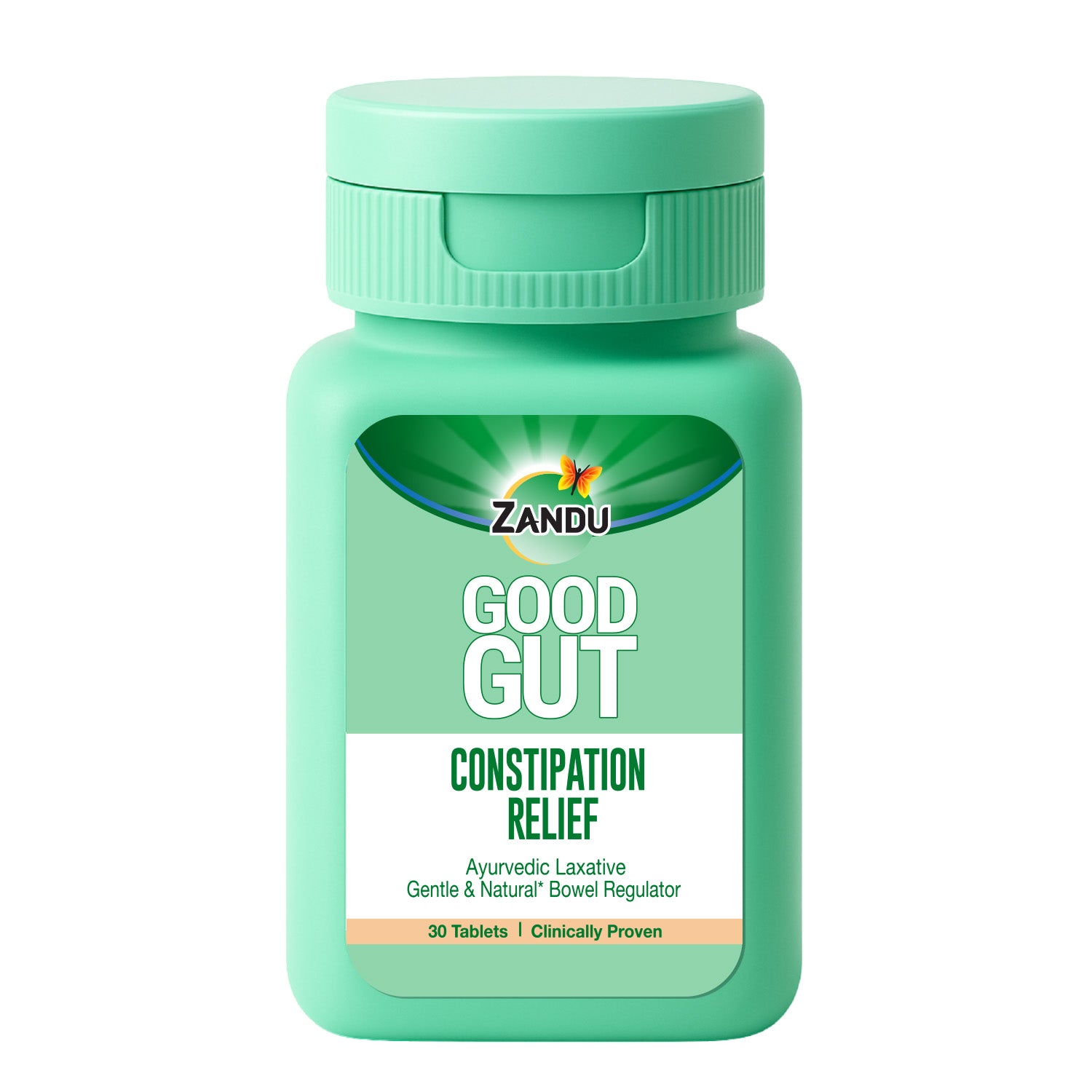
If you still go a day or two without a motion, or never feel fully cleared out, Zandu Constipation Relief Tablets may help. They combine triphala, haritaki, svarnapatri (senna) and castor oil, herbs traditionally used in Ayurveda for constipation. Take one tablet at bedtime with water. Avoid them during pregnancy or diarrhoea.
Eat one fermented food every day
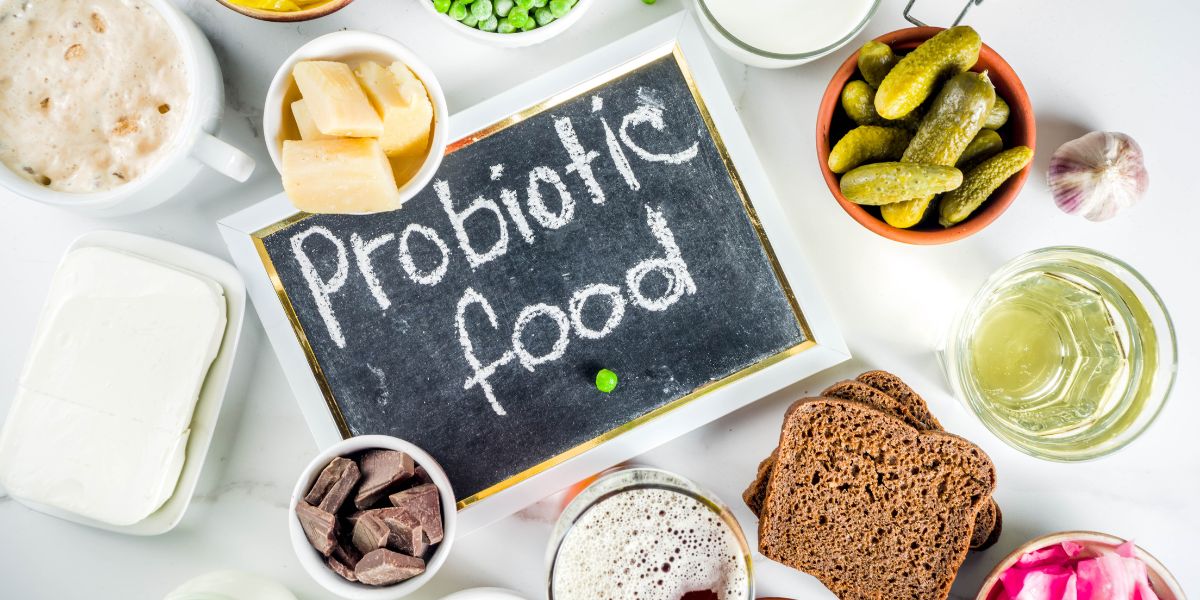
Fermented foods with live cultures add helpful bacteria to your gut. In a 2021 Stanford study, 36 healthy adults went from almost no fermented food to about six servings a day of yoghurt, kefir, kimchi, kombucha and fermented vegetables. Over ten weeks, their gut bacteria became more diverse, and markers of inflammation, including interleukin-6, dropped.
You don’t need six servings to start. Begin with one a day, such as a bowl of plain dahi with lunch or a glass of chaas, and then build up. Kanji, homemade pickles in brine, idli and dosa batter also count. Choose unsweetened versions, since flavoured yoghurts and drinks often contain a lot of added sugar.
Ayurveda also uses fermented herbal tonics called asava-arishta. Zandu Good Gut Detox Shots are made this way, with ajwain, lavang (clove), triphala and draksha among 35 herbs. You take two shots a day after meals as a 45-day course. They contain sugar and some naturally produced alcohol from fermentation, so skip them if you are pregnant, diabetic or avoiding alcohol.
Cut back on added sugar and processed food
You don’t need to give up sugar completely, but cut back significantly. A diet high in sugar and processed food and low in fibre reduces helpful bacteria, including Bifidobacterium (Singh et al., 2017). A 2019 review found that eating more vegetables, fruits and whole grains, with less red meat and processed food, raised helpful Lactobacillus and Bifidobacterium.
The American Heart Association advises keeping added sugar under 25 g (6 teaspoons) a day for women and 36 g (9 teaspoons) for men. Sugar hides in places you might not expect, so check the labels on bread, sauces, biscuits and “healthy” cereals. Oily, fried, and packaged food is also a common trigger for acidity.
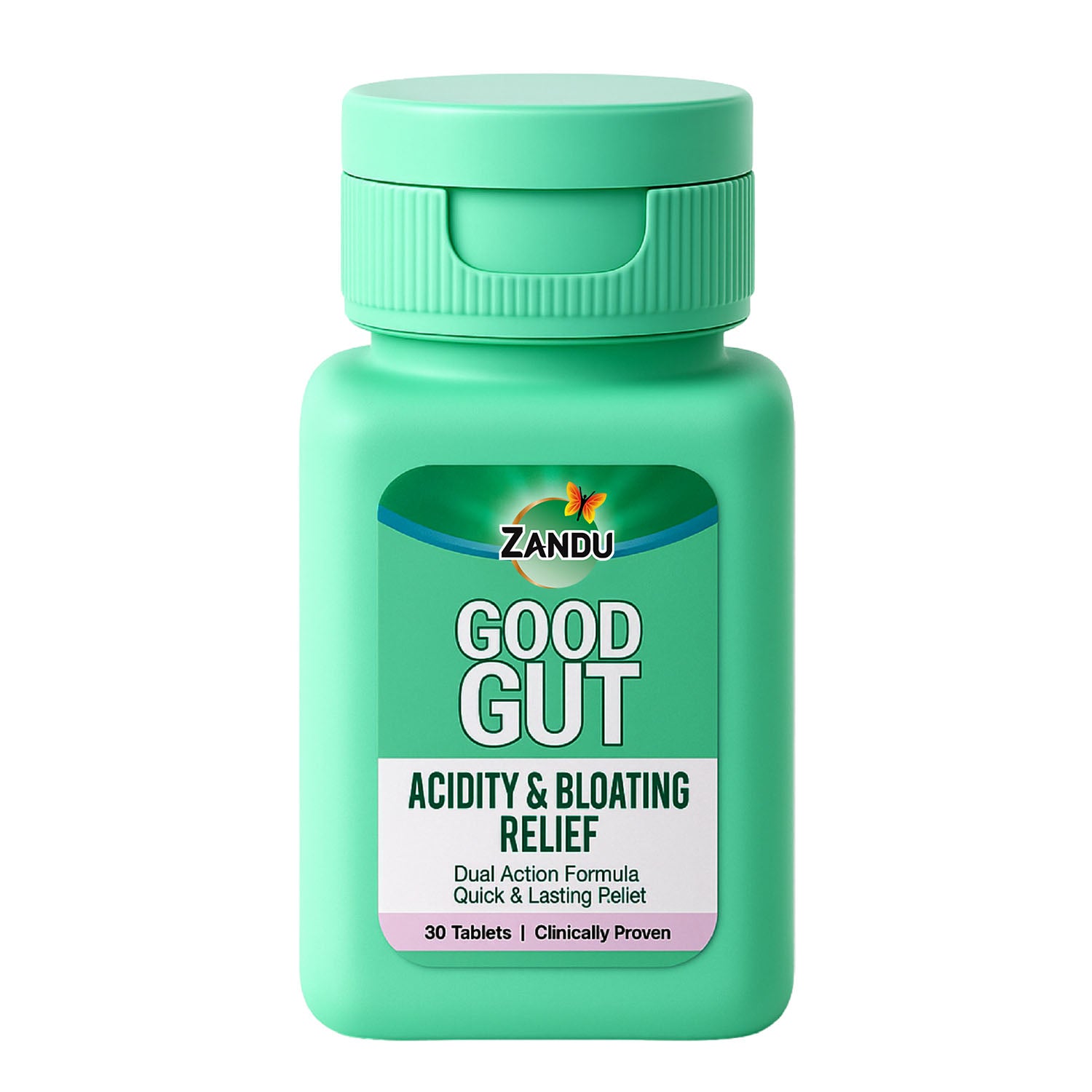
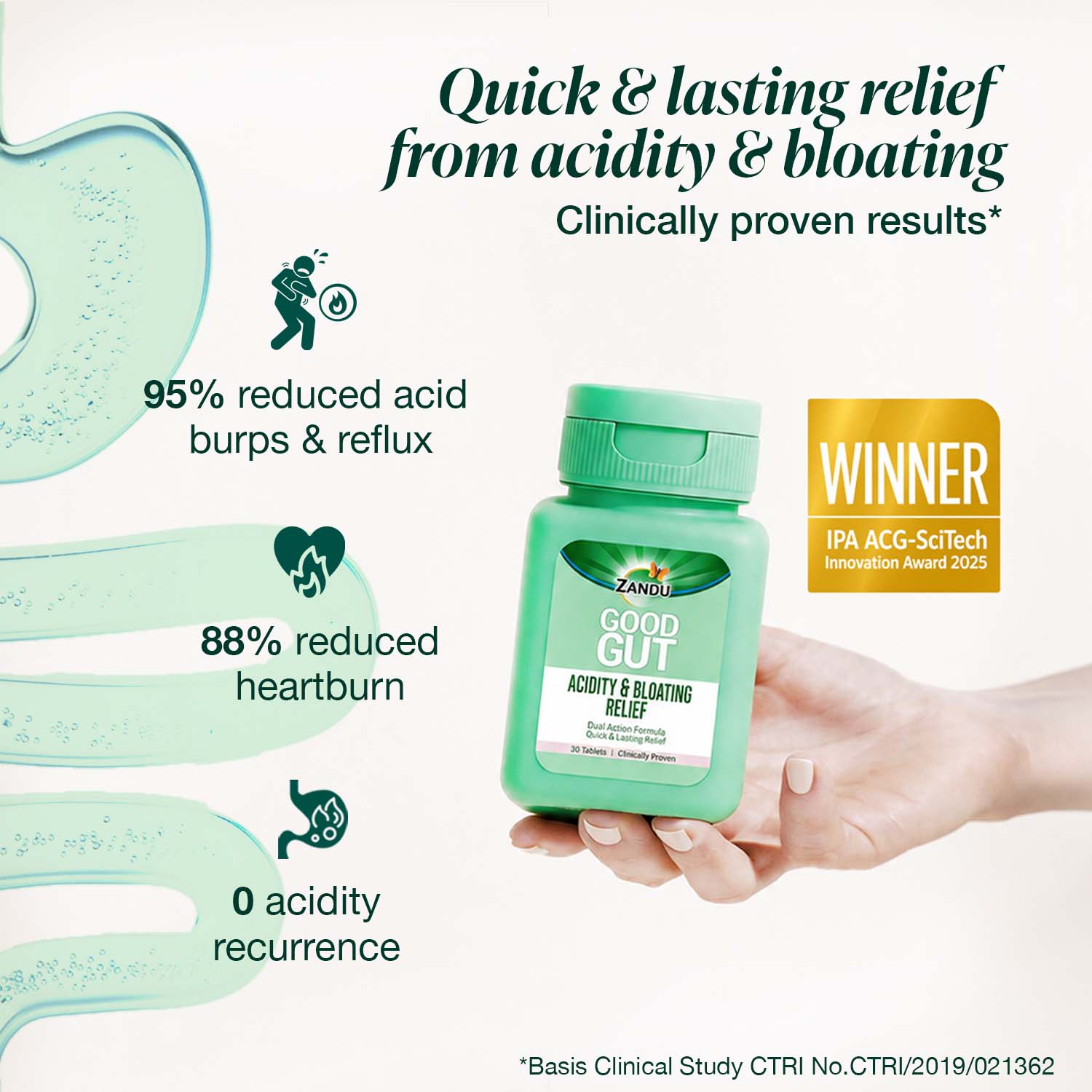
If outside food often leaves you with burning, sour burps or bloating, try Zandu Good Gut Acidity & Bloating Relief Tablets. They combine muktashukti bhasma (pearl oyster) with GutGard® yashtimadhu, a licorice extract. Take one tablet before lunch and one before dinner.
Sleep 7 to 9 hours on a fixed schedule
Your gut bacteria follow a daily rhythm, just like you do. Their numbers and activity rise and fall over 24 hours, and poor or irregular sleep throws that rhythm off. A 2017 study in healthy older adults linked better sleep with more diverse gut bacteria.
Aim for 7 to 9 hours, and go to bed at the same time every day, weekends included. Eat dinner 2 to 3 hours before bed. Your gut can then finish digesting before you lie down, which also lowers the chance of night-time acidity.
Move for 30 minutes on most days
Regular exercise changes your gut bacteria for the better. In a 2018 study (Allen et al.), six weeks of exercise raised the bacteria that make butyrate. When people stopped exercising, their gut bacteria went back to how they were before.
So consistency matters more than intensity. A 30-minute walk, cycle, swim or yoga session on most days is enough. A short walk after meals also helps digestion and can ease bloating.
Manage stress every day
Your gut and brain are in constant contact through the vagus nerve, which is why stress so often shows up as an upset stomach. Ongoing stress lowers beneficial bacteria, raises harmful ones, and can weaken the gut lining (Madison and Kiecolt-Glaser, 2019).
You don’t need a long routine. Ten minutes of slow breathing, a walk outside, or time with people you like can calm your nervous system. Eating slowly, without your phone, also helps your gut switch into digestion mode.
Take antibiotics only when your doctor prescribes them
Antibiotics save lives, but they kill helpful gut bacteria along with harmful ones. In a 2018 study (Palleja et al.), healthy men took antibiotics for just four days. Most of their gut bacteria returned within about six weeks, but nine common species were still missing in most of them after six months.
Don’t ask for antibiotics for colds or the flu, which viruses cause, and antibiotics can’t treat. If you do need a course, finish it as prescribed. Eat extra fibre and fermented foods during and after it to help your gut recover.
Quit smoking
Smoking affects your gut as well as your lungs. A 2013 study found that people’s gut bacteria became more diverse after they stopped smoking. If you smoke, quitting is one of the best things you can do for your body, including your gut.
Why Am I More Bloated After I Started Eating Healthy?
Because your gut bacteria are adjusting. When you suddenly eat far more fibre, beans or fermented food, the bacteria produce more gas while they adapt. This usually settles in 1 to 3 weeks.
To make it easier:
- Add new foods one at a time, a few days apart.
- Soak and pressure-cook dals and beans.
- Drink more water as your fibre intake increases.
- Chew slowly and avoid fizzy drinks.
If bloating is severe or doesn't settle after a month, talk to a doctor. Conditions like IBS or SIBO may need a different plan.
What Foods Help Repair the Gut Lining?
|
Food |
How it helps |
|
Lentils, beans, oats, barley |
Fibre that bacteria turn into butyrate, the main fuel for gut lining cells |
|
Garlic, onion, leeks, green banana |
Prebiotics that feed good bacteria |
|
Dahi, chaas, kefir, kimchi, kanji |
Add live, helpful bacteria |
|
Salmon, sardines, walnuts, flax and chia seeds |
Omega-3 fats that help calm inflammation |
|
Berries, green tea, dark chocolate (70% or more), olive oil |
Polyphenols that gut bacteria feed on |
|
Eggs, fish, chicken, bone broth |
Protein and amino acids like glutamine that the lining uses to rebuild |
|
Ginger |
Eases nausea and bloating |
How Can I Repair My Stomach Lining Naturally?
Eat the gut-friendly foods above, eat smaller meals, and remove what irritates the lining. That means no smoking, little or no alcohol, and avoiding frequent use of painkillers like ibuprofen and aspirin. Don't lie down right after eating.
If you have burning pain, black stools, or pain that wakes you at night, see a doctor. Ulcers and gastritis are often caused by an H. pylori infection, which needs medicine, not just diet.
Which Foods Are Making My Gut Worse?
Ultra-processed foods, refined sugar, fried food and artificial sweeteners are the biggest culprits. They feed harmful bacteria, starve helpful ones, and can irritate the gut lining, which worsens bloating, gas, and acidity.
The main foods to limit are:
- Sugary sweets, biscuits and soft drinks: sugar feeds the bacteria that cause gas and imbalance.
- Packaged snacks and ready-to-eat meals: they are low in fibre and high in additives, salt and unhealthy fats.
- Maida, white bread and refined pasta: the fibre is removed, so they give your gut bacteria little to feed on.
- Deep-fried food: heavy fats slow digestion and can trigger acidity and bloating.
- Processed meats like sausages and salami: high intake is linked to gut inflammation.
- Alcohol: it irritates the stomach and gut lining and reduces helpful bacteria.
- Artificial sweeteners: some studies show they can change gut bacteria in certain people.
Your own triggers may differ. If you have lactose intolerance, coeliac disease or IBS, you may also need to cut down on dairy, gluten or high-FODMAP foods. A dietitian can help you find them.
What Should I Drink for Better Gut Health?

The best drinks for gut health are ones that contain probiotics (live, helpful bacteria), feed your gut bacteria, or soothe digestion. Plain water comes first, as your gut needs fluid to move food and fibre along.
Good choices include:
- Water: keeps stools soft and food moving through your gut. Aim for 8 to 10 glasses a day.
- Chaas (buttermilk): a traditional probiotic drink. Add roasted jeera and a pinch of rock salt and have it after lunch.
- Kefir: a fermented milk drink with a wide range of helpful bacteria and yeasts.
- Kanji: a fermented carrot or beetroot drink with live bacteria.
- Kombucha: a fizzy fermented tea with live cultures. Pick a low-sugar one.
- Green tea: rich in polyphenols that helpful gut bacteria feed on.
- Ginger tea: eases bloating, gas, and nausea.
- Peppermint tea: may ease cramps and bloating in people with IBS.
- Jeera-ajwain-saunf water: a traditional Indian drink used to reduce gas after meals.
- Bone broth: gives protein and amino acids like glutamine that the gut lining uses, though direct evidence for broth itself is limited.
Limit soft drinks, packaged juices, and alcohol.
Which Everyday Indian Foods Are Good for the Gut?
Traditional Indian food is naturally good for the gut. A gut-friendly Indian plate combines three things: probiotics (live helpful bacteria), prebiotics (fibre that feeds those bacteria), and digestive spices that ease gas and bloating.
Probiotic and fermented foods add live, helpful bacteria to your gut:
- Dahi and chaas: plain homemade dahi is rich in Lactobacillus. Chaas with roasted jeera and rock salt eases bloating and aids digestion.
- Kanji: a fermented carrot or beetroot drink made with mustard seeds, popular in North India.
- Panta bhat or pazhaya sadam: cooked rice soaked in water overnight and eaten the next morning, often with curd. Use a clean vessel and eat it within a day.
- Idli, dosa and dhokla: the batter is fermented overnight, which makes them light and easy to digest. Cooking kills most live bacteria, so pair them with dahi or chaas.
Prebiotic and high-fibre foods feed the helpful bacteria:
- Rajma, chana, moong and masoor: rich in fibre. Soak and pressure-cook them to reduce gas.
- Jowar, bajra and ragi: whole-grain millets that add fibre and variety.
- Onion, garlic and raw banana: natural prebiotics.
- Isabgol (psyllium husk): a soluble fibre that helps with both constipation and loose motions.
Digestive spices calm the gut:
- Jeera, ajwain and saunf: traditionally taken after meals to reduce gas and bloating.
- Ginger: eases nausea and helps food move.
- Hing: added to dal tadka to make beans easier to digest.
- Haldi: has anti-inflammatory properties.
A simple thali of dal, sabzi, mixed-grain roti, and a bowl of dahi already covers all three.
Can I Reset My Gut in 3 Days?
No, you cannot fully reset or rebuild your gut microbiome in 3 days. But 3 days of lighter, gut-friendly food can reduce bloating, ease digestion, and give your gut a brief rest.
Your gut bacteria do respond fast. A 2014 study in Nature found they shifted within a day of a new diet. The same study also found they went back to their old pattern within two days of returning to the usual diet. So treat these 3 days as a starting point, and keep the habits going for at least a few weeks to see lasting change.
Day 1: Clean up your plate.
- Breakfast: Oats with flaxseeds, banana, and a spoon of dahi
- Lunch: Dal, roti or brown rice, onion salad
- Dinner: Mixed vegetable sabzi with paneer, tofu or chicken
- Habit: 30-minute walk, in bed by 11 p.m.
Day 2: Add fibre and a fermented food.
- Breakfast: Vegetable poha or upma with a glass of chaas
- Lunch: Rajma or chana with roti and a small glass of kanji
- Dinner: Moong dal khichdi with vegetables
- Habit: Count your plants and aim for 10 or more
Day 3: Go plant-heavy
- Breakfast: Idli or dosa with sambar and a bowl of dahi
- Lunch: Millet bowl with beans, greens, and roasted seeds
- Dinner: Lentil and vegetable soup
- Habit: 2 extra glasses of water and 10 minutes of slow breathing
How Long Does It Take to Rebuild Gut Health?
- 1 to 3 days: Gut bacteria start to shift with your diet.
- 2 to 4 weeks: Less bloating and more regular bowel movements.
- About 6 weeks: Most bacteria return after a short course of antibiotics.
- 3 to 6 months: Lasting change in your gut microbiome.
- 6 to 12 months or more: For long-standing gut problems, usually with a doctor's help.
There is no shortcut to heal your gut microbiome fast. The quickest results come from doing the basics every day, not from doing extreme things for a week.
How Do I Know My Gut Is Healing?
Below are the signs that show your gut is healing are:
- Less bloating and gas after meals
- A regular, easy bowel movement most days
- Fewer sugar cravings
- Better sleep and steadier energy
- Clearer skin over a few weeks
- Foods that used to bother you feel easier
Do Gut Cleanses and Detox Teas Work?
No, juice cleanses, colon cleanses, and detox teas have no good evidence behind them. Many detox teas are laxatives that can cause dehydration. Juice-only cleanses also remove fibre, starving the good bacteria you are trying to grow. Your liver and kidneys already do the detox work.
Should I Take a Probiotic Supplement?
Start with food first. Supplements can help in some cases, such as loose motions caused by antibiotics, but each strain works differently, and quality varies. Ask your doctor before starting one, especially if you have a weak immune system or a diagnosed gut condition.
When Should I Consult an Ayurvedic Doctor About My Gut?
See a doctor if you have:
- Blood in your stool or black stools
- Weight loss you can't explain
- Severe or ongoing stomach pain
- Loose motions or constipation lasting more than two weeks
- Trouble swallowing or frequent vomiting
- A family history of colon cancer, IBD, or coeliac disease
These can point to problems that diet changes alone won't fix.
Where Should I Start Today?
Pick two things: add one bowl of dahi or a glass of chaas and add one new vegetable, dal or grain to your plate. Do that for a week, then add better sleep and a daily walk. Your gut starts responding within days, and real, lasting change follows in a few months of steady habits.
Conclusion
Resetting your gut health naturally relies on a few simple daily habits: eat 30 different plants a week, add fibre slowly, have one fermented food daily, cut back on sugar and packaged food, sleep 7 to 9 hours, stay active, and manage stress. Research shows your gut bacteria start changing within a day, and fermented foods can lower inflammation in about 10 weeks.
There is no 3-day cleanse or detox tea that does the work for you. Bloating and irregular bowels usually improve in 2 to 4 weeks, and lasting change takes 3 to 6 months. Start small, stay consistent, and see a doctor if warning signs like blood in your stool or unexplained weight loss show up.
Written by

Zanducare
India’s trusted name in Ayurvedic wellness, offering time-tested solutions for today’s health and lifestyle needs. With formulations rooted in classical Ayurvedic texts and crafted using pure natural ingredients, we bring holistic care into your everyday routine.
Research by


Leave a comment
This site is protected by hCaptcha and the hCaptcha Privacy Policy and Terms of Service apply.