








What Age do Men Stop Being Sexually Active? Age, Libido, and Sexual Health
Many men quietly wonder, at what age do men stop being sexually active? The honest answer is simple. There is no fixed age. Men do not suddenly stop being sexual at 50, 60, or 70. Sexual activity can continue well into later life, but the way it feels, how often it happens, and what matters during intimacy may change with age.
Indian research on older adults also shows that sexual desire and interest can remain present even later in life, though expression often changes with health, comfort, and relationship needs.
That is why this topic should not be seen only through the lens of age. Sexual health is linked with energy, blood flow, stress, relationship quality, sleep, chronic illness, medicines, and emotional well-being. Age matters, but it is only one part of the picture. Indian clinical guidance on sexual dysfunction also stresses that sexual function is shaped by biological, psychological, social, and relationship factors together.
When do Men Stop Having Sex?

There is no universal stopping point. Some men remain sexually active in their 70s and beyond, while some may see changes much earlier because of stress, diabetes, heart disease, smoking, depression, medication effects, or relationship problems.
In other words, many men do not stop because of age alone. They stop, reduce, or change sexual activity because other health or life factors start affecting desire, erections, comfort, or confidence.
Indian work on older adults supports this view. Older adults in India have reported continued sexual desire, fantasy, emotional closeness, and intimacy, even when sexual expression becomes different from their younger years.
This means that later life sexuality is not absent. It often becomes quieter, more selective, and more shaped by health and companionship.
So, if someone asks, what age do men stop being sexually active, the better response is this: men do not all stop at one age. Some stay active later in life, while others need support earlier due to health or emotional issues.
Male Libido and Age
Libido usually changes gradually, not suddenly. In younger years, desire may feel stronger and more spontaneous. With age, many men notice that desire becomes less impulsive and more dependent on mood, energy, emotional closeness, privacy, and health.
This does not always mean something is wrong. It may simply reflect normal changes in the body and in life priorities.
At the same time, low libido should not always be dismissed as “just age.” Indian sexual health guidelines point out that desire can be reduced by anxiety, depression, chronic disease, poor relationship time, medication use, alcohol, and other psychosocial pressures.
The same guidelines also note that assessment should include both physical and emotional factors because the two often overlap.
This is important for Indian readers because many men live with silent work stress, long commutes, irregular sleep, family pressure, and untreated metabolic disease. All of these can affect libido more than age itself.
How Age Affects Male Sexual Health?
Age can affect male sexual health in several ways, but usually through a gradual process. Erections may take longer. Desire may feel less frequent. Recovery time after sex may increase.
Stimulation may need to be stronger or more direct. These changes can be part of ageing, but they are also strongly influenced by blood vessel health, hormones, nerve function, and mental health.
Indian clinical literature explains that sexual function depends on neurological, vascular, and endocrine systems working together, along with psychosocial and relationship factors.
Age also raises the chance of conditions that interfere with sex. Diabetes, obesity, smoking, hypertension, dyslipidaemia, and metabolic syndrome are all linked with erectile dysfunction.
An Indian Journal of Medical Research review notes that age is a strong determinant of erectile dysfunction and that men aged 50 to 59 have a much higher risk than men aged 18 to 29, with the risk rising further after 70.
This does not mean ageing equals sexual failure. It means sexual health deserves more attention with age, just like heart health or joint health.
Common Sexual Changes Men Experience With Age

As men grow older, some sexual changes can happen naturally over time. These changes do not always indicate a serious problem, but they can affect comfort, response, and expectations.
- Slower arousal: One common change is that arousal may take more time than before. The body may need better relaxation, more stimulation, and a calmer setting.
- Less firm erections: Some men notice that erections may feel less firm or less predictable. This can happen occasionally, even in otherwise healthy men, but frequent changes should not be ignored.
- Lower spontaneous desire: Sexual desire may not appear as suddenly or as often as it did earlier in life. A man may still enjoy sex, but he may not think about it as frequently.
- Longer recovery time: After ejaculation, the body may need more time before feeling ready again. What felt quick and easy in younger years may naturally change with age.
- A broader view of intimacy: For many couples, intimacy becomes more than intercourse alone. Touch, closeness, kissing, emotional comfort, and companionship often become more meaningful with time.
- Emotional connection becomes more important: As age increases, many couples begin to value emotional bonding more deeply. Intimacy may feel more fulfilling when comfort and connection are strong.
Average Sexual Activity by Age Group
There is no single Indian national number that defines how often men should be sexually active at each age.
That is why comparing yourself with a supposed “normal” number can create unnecessary stress. Frequency varies a lot from person to person and couple to couple.
- In the 20s and 30s, sexual activity is often more frequent because desire, energy, and recovery are usually stronger. Even then, stress, anxiety, and relationship issues can reduce it.
- In the 40s and 50s, many men remain sexually active, but frequency may become less regular because of work pressure, parenting, diabetes, weight gain, poor sleep, or reduced exercise.
- In the 60s and beyond, some men continue to have an active sex life, while others shift toward less frequent but more emotionally driven intimacy. Indian research on older adults suggests that desire often remains, but expectations and forms of expression change.
So the better question is not “How often should it happen at my age?” but “Am I comfortable, healthy, and satisfied with my sexual life?”
Factors That Influence Sexual Activity in Men
Sexual activity in men is shaped by more than age alone. Physical health, emotional well-being, relationship comfort, and daily habits can all affect desire, erections, and overall sexual satisfaction.
- Physical Health: General health has a strong effect on sexual function. Diabetes, blood pressure issues, obesity, heart disease, and poor blood flow can reduce erection quality and sexual stamina.
- Mental Health: Stress, anxiety, guilt, low mood, and performance worry can all affect sexual activity. These factors may lower desire or interfere with erections and overall comfort.
- Relationship Quality: A healthy relationship often supports better sexual comfort. Good communication and emotional closeness may improve intimacy, while conflict and emotional distance can reduce desire.
- Substance Use: Alcohol and other substances can also affect sexual function. Over time, they may reduce desire, affect erections, and lower overall sexual satisfaction.
- Medication Use: Some medicines may interfere with sexual response. This can include medicines used for blood pressure, mental health conditions, and other long-term illnesses.
- Why Overall Assessment Matters: Sexual activity should not be judged by one factor alone. In many men, a combination of health issues, emotional strain, relationship problems, and treatment-related effects may be involved.
Can Men Stay Sexually Active Later in Life?
Yes, many men can stay sexually active later in life. That is one of the most important truths to state clearly. Later life sexuality is real.
Indian research on older adults found that older people retain sexual desire and interest, even though the way they express sexuality may change. Emotional closeness, comfort, and companionship often become more important than youthful performance.
Indian psychiatric guidance on sexual disorders in older adults also treats late-life sexuality as a valid health issue, not as something irrelevant. The very existence of these clinical guidelines is a reminder that sexual health in older age deserves recognition, evaluation, and care.
So yes, men can stay sexually active later in life. What usually changes is not the possibility of sex itself, but the pace, expectations, and support the body may need.
Tips to Maintain Sexual Health With Age

Sexual health with age is usually supported by steady daily habits rather than quick fixes. Small changes in routine, health care, and communication can make a meaningful difference over time.
- Stay Physically Active: Regular exercise supports blood flow, energy, body confidence, and overall fitness. Since sexual health is closely linked with circulation, staying active can help support better sexual function as men age.
- Manage Long-Term Health Conditions: Diabetes, blood pressure issues, and excess weight can affect sexual health when they are not well-managed. Keeping these under control may help reduce sexual concerns over time.
- Protect Your Sleep: Good sleep is important for desire, mood, and stamina. Poor sleep can leave the body tired and may reduce sexual interest and performance.
- Talk Openly with Your Partner: Clear communication can reduce pressure and improve comfort. When partners talk openly, intimacy often feels more relaxed and satisfying.
- Adjust Expectations with Age: Not every sexual change should be seen as a failure. In many cases, giving the body more time and adapting to natural changes can support a healthier and less stressful sexual experience.
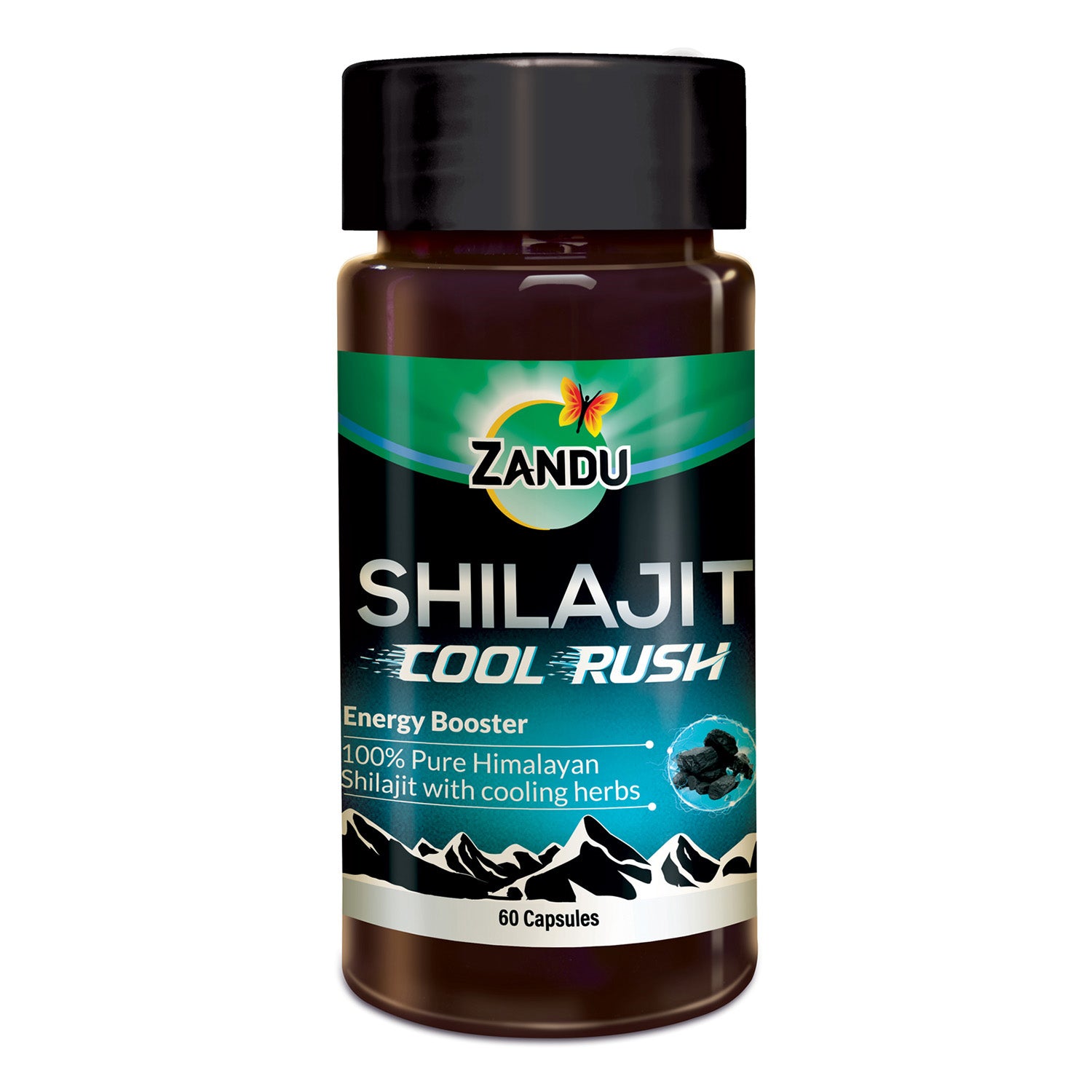
- Support Daily Energy and Vitality: Some men may also look for support that fits into a daily wellness routine. Shilajit Capsules may be considered alongside regular exercise, better sleep, and improved metabolic health for energy and vitality support.
- Think of Support as Gradual, not Instant: Sexual health in later years usually responds better to consistent habits over time. Supportive options should be viewed as part of a wider routine, not as a one-step solution.
- Know The Limits of Self-Care: Supportive care can help, but it should not be treated as a standalone fix. If sexual concerns continue or become more frequent, proper medical advice is important.
Lifestyle Habits That May Reduce Sexual Activity
Sexual activity can be affected by everyday habits over time. In many cases, the issue is not age alone, but the slow effect of lifestyle choices on energy, blood flow, desire, and confidence.
- Smoking: Smoking affects blood vessels and blood flow. Since erections depend a lot on healthy circulation, smoking can reduce sexual function over time.
- Heavy Alcohol Use: Too much alcohol can lower sexual performance and reduce control. Over time, it may also affect desire, erections, and overall satisfaction.
- Sedentary Lifestyle: A routine with very little movement can affect stamina, circulation, and body confidence. This may gradually reduce sexual interest and performance.
- Belly Fat and Weight Gain: Ongoing weight gain, especially around the abdomen, can affect energy, hormones, and sexual comfort. It may also increase the risk of other health issues that affect sexual activity.
- Uncontrolled Diabetes: When diabetes is not well managed, it can affect blood flow and nerve function. This may make erections and stamina worse.
- Poor Sleep: Lack of sleep can reduce energy, desire, and mental focus. It may also affect mood and make sexual activity feel more tiring.
- Constant Stress: Long-term stress can lower both sexual desire and confidence. It can also make the body feel tense and reduce enjoyment.
- Emotional Distance In The Relationship: Ignoring emotional strain can slowly affect intimacy. In many couples, reduced closeness shows up in the bedroom before it becomes obvious elsewhere.
- Lifestyle Burden, Not Just Age: These habits often build quietly over the years. As a result, some men feel they have lost interest because of age, when the real reason may be lifestyle burden.
Common Myths About Age and Sexual Activity
Many people carry fixed ideas about sex and ageing, but these ideas are often incomplete or misleading. Sexual activity in later life can continue in different forms, and it should be understood with more openness and less shame.
-
Myth: Men stop needing sex with age
One common belief is that men no longer need or want sex after a certain age. In reality, sexual desire, intimacy, and interest can continue well into later life. -
Myth: Erectile problems end masculinity
Some people wrongly believe that erection problems mean a man’s masculinity is over. In truth, erection issues may be a health signal and may need medical attention rather than embarrassment. -
Myth: Low desire is always normal with age
Lower desire can happen with age, but it should not always be dismissed. In some cases, it may be linked with diabetes, depression, medicines, alcohol use, or relationship strain. -
Myth: Sex in later life means only intercourse
Sexuality in later years is often broader than intercourse alone. For many people, touch, closeness, affection, companionship, and emotional comfort become just as important.
These myths can stop men from asking for help or understanding their changing needs. A healthier approach is to see sexual ageing as a change in pattern, not the end of intimacy.
When to Seek Medical Advice
A man should seek medical advice if sexual problems become frequent, distressing, or clearly worse over time.
This includes trouble getting or keeping an erection, a sharp drop in desire, pain during sex, early ejaculation that causes distress, or sexual concerns that affect confidence or the relationship.
Indian sexual health guidelines recommend careful evaluation of medical, psychological, and relationship factors rather than guessing the cause.
Medical advice becomes especially important if there is diabetes, heart disease, obesity, smoking history, depression, heavy alcohol use, or multiple medicines. Erectile dysfunction can sometimes appear before more obvious cardiovascular problems, which is why it should not be ignored.
If the change is sudden, if it is affecting your mental health, or if you are avoiding intimacy because of fear or embarrassment, it is time to speak with a qualified doctor.
Key Takeaways
- There is no fixed age when men stop being sexually active. Sexual activity can continue well into later life, but it often changes in pace, frequency, and meaning.
- Age can affect erections, desire, and recovery time, but poor sexual health is often driven by diabetes, blood flow issues, stress, alcohol, smoking, poor sleep, and medication effects.
- Many older men remain sexually active. In later years, intimacy often becomes more emotional, more companion-based, and less performance-centred.
If you are asking what age men stop being sexually active, the better answer is this: Most men do not stop because of age alone. They change with age, and many can continue to enjoy a fulfilling sex life with the right health support, habits, and communication.
References
- Management of Sexual Disorders in Elderlyhttps://indianpsychiatricsociety.org/clinical-practice-guidelines-for-management-of-sexual-disorders-in-elderly/
- Clinical Practice Guidelines for Management of Sexual Dysfunctionhttps://pmc.ncbi.nlm.nih.gov/articles/PMC5310110/
- Love in the Later Years…”: Perceptions of Sex and Sexuality in Older Indian Adultshttps://pmc.ncbi.nlm.nih.gov/articles/PMC11262088/

Written by

Zanducare
India’s trusted name in Ayurvedic wellness, offering time-tested solutions for today’s health and lifestyle needs. With formulations rooted in classical Ayurvedic texts and crafted using pure natural ingredients, we bring holistic care into your everyday routine.
Research by



Leave a comment
This site is protected by hCaptcha and the hCaptcha Privacy Policy and Terms of Service apply.