








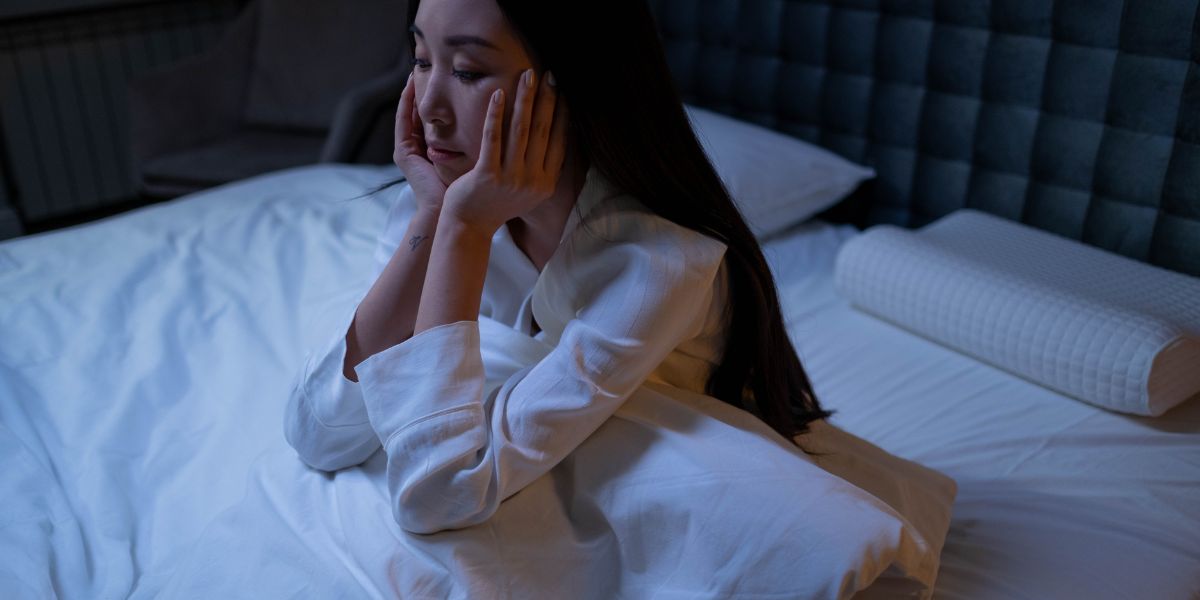
Sexual Problems in Women: Causes, Signs, Treatment and Natural Support
Sexual problems in women are more common than many people think. Yet a lot of women stay silent because the topic feels private, awkward, or “not serious enough” to discuss. That silence often delays help, even when the problem is affecting confidence, comfort, relationships, and overall well-being. Indian research has also shown that female sexual dysfunction is common and often underreported.
The good news is that sexual problems in women are not something you simply have to “adjust to.” In many cases, the cause can be understood and managed with the right support, whether that means better communication, medical treatment, counselling, pelvic floor care, or a broader lifestyle and wellness approach.
What Are Sexual Problems in Women?
Sexual problems in women refer to repeated issues that affect desire, arousal, lubrication, orgasm, comfort, or emotional ease during intimacy. It is not one single condition. It is a broad term used for different difficulties that can happen at different stages of a woman’s sexual response.
A problem becomes more important when it keeps happening, causes distress, leads to avoidance of intimacy, or starts affecting mental or relationship health. In simple words, a change in sexual interest once in a while is normal. A persistent problem that bothers you is worth attention.
Common Sexual Problems in Women
Some of the most common sexual problems in women include:
- Low sexual desire or reduced interest in intimacy
- Difficulty getting aroused, even when you want intimacy
- Vaginal dryness or poor lubrication
- Trouble reaching orgasm
- Pain during sex
- Tightening, fear, or difficulty with penetration
- Reduced satisfaction despite sexual activity
Indian studies have reported a substantial burden of these concerns. In one study of 500 Indian women, 55.6% had sexual dysfunction, with orgasm and lubrication issues reported frequently. Another Indian study among fertile women found a prevalence of 55.55%, with psychological stress showing a significant link.
Types of Sexual Problems in Women
Doctors usually group female sexual problems into a few broad types:
- Desire problems: When interest in sex becomes very low or absent.
- Arousal problems: When the mind or body does not respond enough during intimacy.
- Lubrication problems: When there is dryness, discomfort, or friction.
- Orgasm problems: When orgasm is delayed, difficult, or absent.
- Pain related problems: This includes painful intercourse, fear of penetration, or involuntary tightening of vaginal muscles.
Sometimes a woman has only one issue. Sometimes more than one type happens together. For example, pain may reduce desire, and stress may reduce both arousal and orgasm.
Causes of Sexual Problems in Women
There is rarely one single reason behind sexual problems in women. Most often, the cause is a mix of body, mind, relationship, and life stage changes.
Common causes include:
- Stress, anxiety, low mood, or emotional exhaustion
- Relationship strain, poor communication, or lack of emotional safety
- Hormonal shifts during pregnancy, breastfeeding, perimenopause, or menopause
- Vaginal dryness
- Pain conditions, pelvic issues, or infections
- Side effects of some medicines
- Chronic health issues
- Negative sexual experiences, fear, or body image concerns
Indian data also points to age, low education, menopausal status, chronic disease, and psychological stress as important contributors.
When Sexual Problems Become a Concern?
Not every temporary change is a disorder. Sexual interest can change because of tiredness, work pressure, childcare, relationship stress, or illness. That can happen to anyone.
It becomes a real concern when:
- The issue keeps returning
- You feel upset, frustrated, or worried about it.
- Intimacy starts feeling painful or stressful.
- You begin avoiding sex because of fear or discomfort.
- There is a sudden major change in desire or response.
- The problem affects your relationship or self-esteem.
Diagnosis of Female Sexual Problems
Diagnosis usually starts with a calm, respectful conversation. A doctor may ask about:
- Your symptoms
- When the problem started
- Menstrual, pregnancy, or menopause history
- Medical conditions and medicines
- Vaginal dryness, pain, or discharge
- Emotional health and relationship factors
Depending on the issue, the doctor may also do a pelvic exam and check for infection, hormone-related changes, skin conditions, pelvic pain triggers, or other gynecological causes. In some cases, further tests may be advised.
Treatment Options for Sexual Problems in Women
Treatment depends on the cause. No one treatment works for every woman. The right plan is often a combination of medical care, emotional support, and lifestyle changes.
Common treatment options include:
- Counselling or sex therapy
- Couples counselling if relationship strain is part of the issue.
- Treating infections, pelvic conditions, or other medical causes.
- Changing a medicine if it is affecting libido or lubrication.
- Vaginal moisturisers or lubricants for dryness.
- Hormone-based treatment in selected cases, especially after menopause, under a doctor's guidance.
- Pelvic floor physiotherapy for pain, tightness, or muscle dysfunction.
Behavioural and mind-body approaches can also help, especially when anxiety, pain anticipation, or stress are keeping the body tense.
Lifestyle Factors That Affect Female Sexual Health
Daily habits influence sexual wellbeing more than many people realise. A body that is always tired, stressed, poorly rested, or emotionally overloaded does not respond easily to intimacy.
Helpful lifestyle areas to focus on include:
- Better sleep
- Stress reduction
- Regular movement
- Open communication with your partner
- Managing menopause or postpartum changes early
- Taking care of chronic conditions instead of ignoring them
- Seeking help for anxiety or low mood
This matters in India too, where many women juggle work, home care, parenting, and social expectations all at once. Mental load and physical fatigue can quietly reduce desire and pleasure.
Sexual Problems During Different Life Stages
Female sexual health can shift across life stages. What you feel at 25 may not be what you feel at 45, and that does not automatically mean something is wrong.
In younger women, anxiety, lack of sexual education, relationship stress, and fear of pain may play a bigger role. Indian clinic-based work also shows that vaginismus remains underreported, and many women hesitate to seek medical help.
After childbirth, women may notice tiredness, body image changes, healing pain, reduced interest, or dryness, especially while breastfeeding. Postpartum pain and pelvic floor issues can also affect intimacy.
During perimenopause and menopause, desire, lubrication, orgasm, and comfort may change due to hormonal shifts. Indian studies have found lower sexual function scores in menopausal women and a clear link between menopausal symptoms and sexual dysfunction.
Impact of Sexual Problems on Women’s Health
Sexual problems in women are not “just bedroom issues.” They can affect mental health, body confidence, relationship closeness, sleep, and quality of life. Many women also start feeling guilt, confusion, or self-blame, which makes the cycle worse.
When pain, fear, or repeated disappointment continues for too long, intimacy may start feeling like pressure instead of connection. That is why early support matters.
Ayurvedic Perspective on Female Sexual Health
In Ayurveda, sexual wellbeing is not seen in isolation. It is often linked with overall vitality, nourishment, emotional balance, and daily routine.
ZanduCare’s Ayurveda education content also discusses sexual vitality through broader ideas such as vitality support, nourishment, and Vajikarana-based wellness thinking.
From that lens, female sexual health is supported by balanced sleep, calmness, digestion, energy, and steady emotional health. This approach can be useful as part of overall wellness, but persistent pain, bleeding, severe dryness, or sudden change still needs medical evaluation.
Natural Ways to Improve Female Sexual Health
Natural support works best when it is realistic and regular. Small changes often help more than quick fixes.
You can start with:
- Speaking openly with your partner about comfort, pace, and preferences
- Using a lubricant if dryness is causing friction
- Reducing stress before intimacy instead of expecting the body to switch instantly
- Making time for sleep and recovery
- Staying physically active
- Getting help early for pain, mood changes, or menopausal symptoms
For women who want Ayurvedic wellness support as part of a broader routine, Zandu Vigorex for Her is presented by ZanduCare for women’s vitality, mood support, and sexual wellness, and it contains ingredients such as ashwagandha, soya, safed musali, shatavari, and kunkuma.
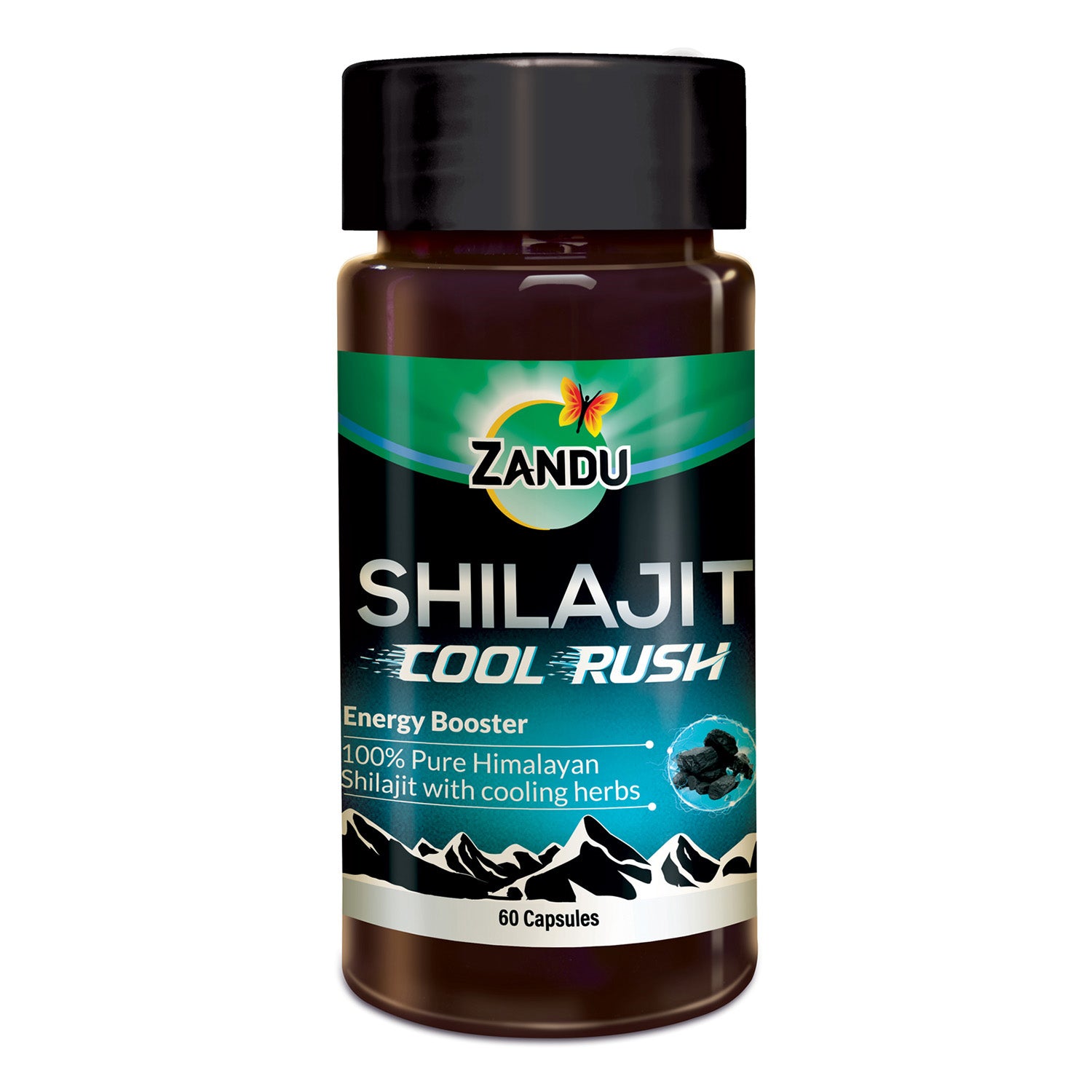
Zandu Shilajit Capsules are positioned for daily energy, stamina, and overall vitality, with 500 mg shilajit per capsule and over 70% fulvic acid. These products may fit into a wellness routine, but they are not a replacement for diagnosis and treatment when symptoms are persistent or painful.
ZanduCare also advises guided use on the label, and it should be avoided during pregnancy or breastfeeding unless advised by a qualified healthcare professional.
Exercises That Improve Female Sexual Function
Movement and pelvic awareness can help many women, especially when stress, poor muscle control, or pelvic floor weakness is part of the issue. Evidence suggests pelvic floor muscle training may improve female sexual function, although the strength of evidence is still limited.
Exercises that may help include:
- Kegel exercises: Tighten the pelvic floor muscles gently, hold for a few seconds, then relax.
- Deep breathing: Slow breathing reduces body tension and can help if anxiety is causing tightness.
- Pelvic relaxation work: Very important when pain is linked to over-tight muscles.
- Gentle yoga and stretching: Helps reduce stiffness and improve body awareness.
- Walking or light regular exercise: Supports circulation, mood, and energy.
Note: Kegels are not the answer for every woman. If sex is painful or the pelvic floor is too tight, doing the wrong exercise without guidance may not help and can sometimes make symptoms worse. In such cases, pelvic floor physiotherapy is a better option.
When to See a Doctor?
Please do not ignore sexual problems in women if you have:
- Pain during sex again and again
- Bleeding after sex
- Severe dryness or burning
- Fear of penetration
- A sudden drop in desire without a clear reason
- Pelvic pain, discharge, or suspected infection
- Symptoms that are affecting your relationship or mental health
You should also seek medical advice if you are postpartum, breastfeeding, perimenopausal, or menopausal and intimacy has become difficult or painful.
Key Takeaways
- Sexual problems in women are common and often treatable.
- The issue may involve desire, arousal, lubrication, orgasm, or pain.
- Stress, hormones, relationship factors, menopause, medicines, and pelvic issues can all play a role.
- Ongoing symptoms should not be ignored just because the topic feels embarrassing.
- Diagnosis is usually straightforward and starts with an honest conversation.
- Treatment may include counselling, lubricants, hormone support, pelvic floor therapy, and lifestyle changes.
- Ayurvedic wellness products such as Zandu Vigorex for Her and Zandu Shilajit Capsules can be considered as supportive additions to a broader wellbeing routine, but not as substitutes for medical care when symptoms are persistent or severe.
FAQs
1. Are Sexual Problems in Women Common?
Yes. They are common, and Indian studies have reported a significant burden across different groups of women. The bigger issue is that many women do not discuss them openly.
2. Is Low Desire Always a Serious Problem?
No. Desire can change because of stress, tiredness, life stage changes, or relationship issues. It becomes more important when it is persistent and distressing.
3. Can Menopause Affect Sexual Health?
Yes. Menopause can reduce lubrication, comfort, and sometimes desire. Indian studies have shown lower sexual function in menopausal women.
4. Can Painful Sex Be Treated?
In many cases, yes. Treatment depends on the cause. Lubricants, treatment of dryness, pelvic floor therapy, counselling, and medical management can all help.
5. Can Stress Affect Female Sexual Function?
Very much. Stress can lower desire, increase muscle tension, worsen arousal problems, and reduce overall satisfaction. Indian research has also shown a significant link between psychological stress and female sexual dysfunction.
6. Can Ayurvedic Support Be Part of a Wellness Routine?
Yes, many women include Ayurveda as part of their broader routine for vitality and wellbeing. ZanduCare positions Products such as Zandu Vigorex for Her and Zandu Shilajit Capsules for women’s vitality, sexual wellness support, and daily energy support. Use them as directed, and seek medical advice for persistent pain, bleeding, severe dryness, or symptoms during pregnancy or breastfeeding.
References:
- Sexual Dysfunction in Womenhttps://www.jsafog.com/doi/pdf/10.5005/jp-journals-10006-1195
- Prevalence of female sexual dysfunction among Indian fertile femaleshttps://pmc.ncbi.nlm.nih.gov/articles/PMC5192983/
- Effects of Menopause on Sexual Function in Indian Women:https://pubmed.ncbi.nlm.nih.gov/34526750/
- Female sexuality across the menopausal age group:https://www.sciencedirect.com/science/article/pii/S2590161324000073
Written by

Zanducare
India’s trusted name in Ayurvedic wellness, offering time-tested solutions for today’s health and lifestyle needs. With formulations rooted in classical Ayurvedic texts and crafted using pure natural ingredients, we bring holistic care into your everyday routine.
Research by




Leave a comment
This site is protected by hCaptcha and the hCaptcha Privacy Policy and Terms of Service apply.