





What Is Non-Alcoholic Fatty Liver? 10 Natural Remedies & Fixes
Non-Alcoholic Fatty Liver Disease (NAFLD) happens when too much fat builds up in your liver, even if you don’t drink alcohol. It’s common among people with poor diets or extra weight, and it can lead to tiredness, discomfort, or severe liver problems if ignored. For vegetarians, natural fixes through diet and lifestyle can help reverse it.
This article explains what NAFLD is in simple terms, why it happens, and how to fix it naturally with vegetarian foods and habits. Backed by studies, these steps are easy to follow and support your liver’s healing process.
Understanding Non-Alcoholic Fatty Liver Disease (NAFLD)
NAFLD is when fat accumulates in your liver without alcohol being the cause. It ranges from simple fat buildup (steatosis) to inflammation (non-alcoholic steatohepatitis, or NASH), which can progress to scarring (cirrhosis).
A 2018 study in the Journal of Hepatology found NAFLD affects up to 30% of adults, often due to high-sugar diets, obesity, or lack of exercise.
The liver processes typically nutrients and removes toxins, but excess fat impairs these functions, causing fatigue or digestive issues.
For vegetarians, avoiding harmful foods and adopting healthy habits can reverse NAFLD naturally.
- Key issue: Excess fat in the liver disrupts its normal tasks.
- Impact: Can lead to inflammation, tiredness, or severe liver damage.
Why NAFLD Happens?
NAFLD is often linked to lifestyle factors like eating too many sugary or processed foods, being overweight, or not exercising enough. Insulin resistance, common in obesity, makes the liver store more fat.
A 2019 study in Liver International showed that diets high in refined carbs and sugars increase liver fat, even in non-drinkers.
Lack of physical activity also slows fat metabolism, worsening NAFLD.
For vegetarians, focusing on nutrient-rich foods and active habits can prevent and reverse fat buildup, helping the liver function properly again.
Foods to Avoid With NAFLD
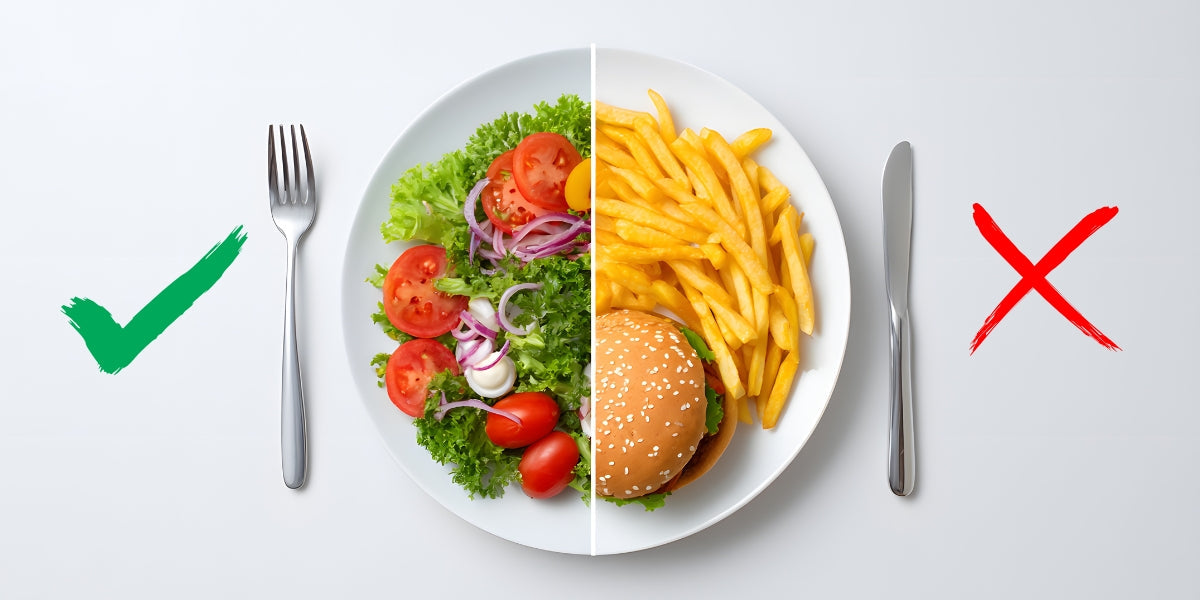
Certain foods worsen NAFLD by adding fat or stress to the liver. Avoiding these is crucial for healing:
1. Sugary Foods and Drinks
Sugary items like candies, pastries, soda, and sweetened teas contain fructose, which the liver turns into fat.
A 2017 study in the Journal of Hepatology found that high fructose intake increases liver fat in NAFLD patients.
These foods spike blood sugar, overloading the liver. Instead, choose fresh fruits like berries or apples in moderation, which offer fibre and antioxidants to support liver health.
Below are some of the foods you should avoid:
|
Sugary Food Items to Avoid |
Why to Avoid |
Healthier Alternatives |
|
Candies |
High in refined sugar and fructose, it is rapidly stored as fat in the liver. |
Fresh berries or a piece of dark chocolate. |
|
Pastries & Cakes |
Loaded with sugar and trans fats, worsen insulin resistance and liver fat accumulation. |
Homemade oat muffins with no added sugar. |
|
Soda (Cola, Fizzy Drinks) |
Contains high fructose corn syrup, spikes blood sugar, and burdens the liver. |
Sparkling water with lemon or mint. |
|
Sweetened Teas (Bottled/Iced) |
Often packed with added sugars, promotes fatty deposits in the liver. |
Unsweetened herbal tea (like chamomile). |
|
Cookies & Biscuits |
Processed sugar and white flour raise triglycerides and liver fat. |
Whole grain crackers or nut butter snacks. |
|
Energy Drinks |
Very high in caffeine and sugar; harmful to the liver and metabolic health. |
Coconut water or natural electrolyte drinks. |
|
Sweetened Lassi or Shakes |
Contains sugar and full-fat dairy, both of which worsen fatty liver. |
Plain buttermilk or almond milk smoothie. |
2. Refined Carbohydrates
White bread, white rice, and refined flour products (maida-based snacks like samosas) break down into sugar quickly, raising liver fat.
A 2019 study in the American Journal of Clinical Nutrition linked refined carbs to worse NAFLD. These lack fibre, making them hard for the liver to process.
Whole grains like oats or quinoa digest slowly, reducing liver strain.
- Examples: White roti, refined pasta, packaged snacks.
- Alternative: Brown rice, whole-grain bread, or millet.
3. Fried Foods
Fried snacks like pakoras or potato chips are high in trans fats and unhealthy oils, which increase liver fat and inflammation.
A 2016 study in the Journal of Clinical Investigation found trans fats worsen NAFLD by promoting fat buildup.
Baking or steaming vegetables provides a healthier crunch without harming the liver.
- Examples: Fried bhajiyas, potato fries, oily namkeen.
- Alternative: Baked zucchini fries or roasted chickpeas.
4. Processed Foods
Packaged snacks, instant noodles, or canned desserts often have added sugars, sodium, and artificial additives that stress the liver.
A 2018 study in Nutrients showed that processed foods increase liver fat in NAFLD patients.
Whole, unprocessed vegetarian foods like lentils or fresh veggies are easier for the liver to handle.
- Examples: Instant soups, packaged biscuits, canned sweets.
- Alternative: Homemade vegetable stew or fresh fruit salad.
5. High-Sodium Foods
Salty snacks, pickles, or processed cheeses cause water retention, straining the liver.
A 2017 study in the World Journal of Gastroenterology linked high sodium to increased liver stress in NAFLD.
Use herbs like coriander or spices like cumin for flavour instead of salt-heavy options.
- Examples: Salted nuts, pickles, processed cheese slices.
- Alternative: Unsalted almonds or herb-seasoned veggies.
Natural Ways to Fix NAFLD
These vegetarian-friendly, natural strategies can help reduce liver fat and promote healing, backed by studies:
1. Eat Antioxidant-Rich Vegetables
Vegetables like spinach, kale, and beetroot are packed with antioxidants that reduce liver inflammation and fat.
A 2018 study in Antioxidants found that leafy greens improve liver function in NAFLD patients by fighting oxidative stress.
Add a serving of colourful veggies to every meal to support detox and repair, helping your liver clear excess fat.
- Examples: Spinach salads, roasted beetroot, steamed broccoli.
- How to include: Add kale to smoothies or spinach to curries daily.
2. Include Whole Grains
Whole grains like oats, brown rice, and quinoa provide fibre, which stabilises blood sugar and reduces liver fat.
A 2019 study in Nutrients showed that high-fibre diets decrease liver fat in NAFLD patients.
Replace refined grains with whole-grain options to ease liver workload and improve digestion, supporting overall healing.
- Examples: Oatmeal, quinoa bowls, whole-grain roti.
- How to include: Swap white rice for brown rice or eat oats for breakfast.
3. Add Healthy Fats
Healthy fats from avocados, nuts, and olive oil help repair liver cells without adding fat buildup.
A 2017 study in the Journal of Nutritional Biochemistry found monounsaturated fats reduce liver inflammation in NAFLD.
Use these in moderation to replace unhealthy oils, aiding liver recovery while keeping meals satisfying.
- Examples: Avocado on toast, walnuts, olive oil dressing.
- How to include: Drizzle olive oil on salads or snack on a few nuts.
4. Drink Green Tea
Green tea contains catechins, antioxidants that reduce liver fat and inflammation.
A 2018 study in the Journal of Nutritional Biochemistry found green tea improves liver function in NAFLD patients.
Drink 1–2 cups daily to support detox and protect liver cells. Avoid sugary drinks to prevent additional liver stress.
- Examples: Unsweetened green tea, herbal infusions.
- How to include: Sip green tea in the afternoon or morning.
5. Use Turmeric and Garlic
Turmeric’s curcumin and garlic’s sulfur compounds reduce liver fat and inflammation.
A 2018 study in Food & Function found curcumin improves NAFLD by lowering fat buildup, while garlic aids detox.
Add these to meals for flavour and liver support, helping your liver heal naturally.
- Examples: Turmeric in soups, garlic in stir-fries.
- How to include: Sprinkle turmeric or minced garlic in daily cooking.
6. Stay Hydrated
Drinking 8–12 glasses of water daily helps the liver flush toxins and process nutrients.
A 2019 study in the Journal of Clinical Medicine found that hydration improves liver function in NAFLD patients.
Infused water with cucumber or mint adds flavour without sugar, supporting liver detox and overall health.
- Examples: Plain water, cucumber-infused water, herbal tea.
- How to include: Carry a water bottle and sip throughout the day.
7. Exercise Regularly
Moderate exercise, like 30 minutes of walking or yoga 5 days a week, reduces liver fat by improving metabolism.
A 2020 study in the Journal of Hepatology found regular exercise decreases liver fat in NAFLD patients, even without weight loss.
Vegetarian-friendly activities like dancing or cycling boost liver health and energy.
- Examples: Brisk walking, yoga, cycling.
- How to include: Walk daily or join a yoga class weekly.
8. Maintain a Healthy Weight
Losing 5–10% of body weight can significantly reduce liver fat.
A 2019 study in Gastroenterology showed that modest weight loss improves NAFLD by lowering fat buildup.
Focus on balanced vegetarian meals and portion control to achieve a healthy weight gradually, easing liver stress.
- Examples: Smaller portions, balanced meals with veggies and grains.
- How to include: Use smaller plates and eat slowly to avoid overeating.
9. Get Enough Sleep
Sleeping 7–9 hours nightly helps the liver repair and process fat.
A 2016 study in Sleep Medicine found that poor sleep worsens liver inflammation in NAFLD patients.
A consistent bedtime routine with calming activities like reading supports liver healing and overall well-being.
- Examples: Fixed bedtime, relaxing pre-sleep routine.
- How to include: Avoid screens an hour before bed and sleep by 10 PM.
10. Regular Health Check-Ups
Annual check-ups with liver enzyme tests monitor NAFLD progress.
A 2017 study in the World Journal of Gastroenterology recommends regular testing for NAFLD patients to track improvement.
This ensures your natural strategies are working and helps prevent complications, supporting long-term liver health.
- Examples: Blood tests, liver function checks.
- How to include: Schedule yearly doctor visits for liver tests.
Conclusion
Non-Alcoholic Fatty Liver Disease (NAFLD) is when fat builds up in your liver without alcohol, often from poor diet or extra weight. It can cause fatigue or serious issues if untreated. Studies show avoiding sugary foods, refined carbs, and fried snacks helps, while vegetarian choices like spinach, quinoa, and green tea reduce liver fat naturally.
Add turmeric, stay hydrated, exercise, and sleep well to heal your liver. Regular check-ups track progress. These simple, vegetarian-friendly steps protect your liver, boost energy, and improve health, helping you feel strong and vibrant every day.
FAQs
1. What is the fastest way to cure a non-alcoholic fatty liver?
The fastest way to cure a non-alcoholic fatty liver is to adopt a healthy diet low in fat, sugar and processed foods, exercise regularly, and lose weight if overweight. This can reverse the fat buildup.
2. How to fix fatty liver at home?
To improve fatty liver at home, follow a liver-friendly diet with vegetables, fruits, whole grains and lean protein while limiting sugar, saturated fats and fried food. Stay hydrated and get regular exercise.
3. What to drink for non-alcoholic fatty liver?
Good drinks for a non-alcoholic fatty liver include water, green tea, vegetable juice and coffee, as they can reduce inflammation and oxidative stress. Avoid sugary beverages.
4. Can walking reduce fatty liver?
Yes, walking daily can help reduce fat buildup in a fatty liver. Aim for 30-60 minutes per day to see improvement.
5. What is the best herb for liver repair?
Milk thistle is considered one of the best herbs for liver repair and health. Other beneficial options are turmeric, ginger, dandelion and astragalus root.
References
- A 2018 study in the Journal of Hepatology found NAFLD affects up to 30% of adults, often due to high-sugar diets, obesity, or lack of exercise. (https://www.nature.com)
- A 2016 study in Sleep Medicine found that poor sleep worsens liver inflammation in NAFLD patients. (https://pmc.ncbi.nlm.nih.gov)
- Turmeric’s curcumin and garlic’s sulfur compounds reduce liver fat and inflammation. (https://pmc.ncbi.nlm.nih.gov)

Written by

Zanducare
India’s trusted name in Ayurvedic wellness, offering time-tested solutions for today’s health and lifestyle needs. With formulations rooted in classical Ayurvedic texts and crafted using pure natural ingredients, we bring holistic care into your everyday routine.
Research by

%20happens%20when%20too%20much%20fat%20builds%20up%20in%20your%20liver,%20even%20if%20you%20don%E2%80%99t%20drink%20alcohol.%20It%E2%80%99s%20common%20among%20people%20with%20poor%20diets%20or%20extra%20weight,%20and%20it%20can%20le...)
Leave a comment
This site is protected by hCaptcha and the hCaptcha Privacy Policy and Terms of Service apply.