










Ayurvedic Diet for Reproductive Health: Indian Food, Digestion & Daily Routine Guide
Reproductive health is not shaped by one food or one meal. In Ayurveda, it is seen as part of a wider picture that includes digestion, nourishment, routine, rest and the body’s overall balance.
Indian public health guidance also places nutrition alongside reproductive and maternal health across the life cycle, which makes food worth reviewing when you want to strengthen your daily wellbeing.
This article takes a non-claim-based view and explores how an Ayurvedic diet plan can be organised for Indian readers, using familiar foods and steady habits instead of rigid rules or quick fixes.
Why Reproductive Health and Food Are Linked in Ayurveda?

Ayurveda does not separate reproductive wellness from the rest of the body. It pays close attention to digestion, assimilation and overall internal balance before looking at any single concern.
As per AYUSH, health is described through the balance of doshas, while Ayurveda resources linked to the Ministry of Ayush describe agni as central to the handling and assimilation of food. CCRAS publications also frame ahara, or dietetics, and vihara, or lifestyle, as core parts of health preservation and disease management.
That is why an Ayurvedic diet plan for reproductive health is usually not written like a trendy food chart. It begins with a simpler question: are you eating in a way that your body can digest, absorb and tolerate well over time?
That way of thinking matters because reproductive health is rarely viewed in isolation in India’s own health frameworks. The National Health Mission places nutrition within reproductive, maternal, newborn, child and adolescent health, and the reproductive health portal itself follows women through the reproductive life cycle.
In other words, food is not treated as a side note. It is part of the larger foundation on which health services and preventive advice are built.
Core Principles of an Ayurvedic Diet Plan
A good Ayurvedic diet plan is usually simple, regular and digestible. It is less about restriction and more about choosing food that feels sustaining without leaving you heavy, irritated or unsettled.
Prefer Freshly Prepared Meals
Ayurvedic thinking generally places greater value on food that is freshly prepared and easier to digest than stale food, repeatedly reheated or overly industrial in nature. That fits well with Indian nutrition guidance too, which continues to emphasise a balanced diet built from a variety of food groups rather than a dependence on heavily processed choices.
Build Variety Without Making Meals Complicated
ICMR-NIN guidance stresses that a nutritionally adequate diet comes from a wise choice of varied foods and that a balanced diet is achieved through a blend of basic food groups. For an Ayurvedic approach, this is useful because monotony does not support long-term nourishment.
Your meals do not need to be elaborate, but they should not revolve around the same narrow set of foods day after day. Rotation across grains, pulses, vegetables, fruits, nuts, seeds and suitable dairy can help keep the diet more rounded.
Let Digestion Guide the Meal, Not Just Cravings
An Ayurvedic diet plan is shaped as much by digestive comfort as by ingredient lists. If you feel persistently bloated, uncomfortable, overly full or irregular after meals, the response is usually not to chase exotic foods.
It is to simplify the plate, soften the cooking style, reduce excess heaviness and observe tolerance more carefully. CCRAS material on Ayurvedic dietary and lifestyle guidance also highlights pathya, meaning diet suited to pacification and recovery, rather than food chosen only for taste or trend.
Keep the Flavour Profile Balanced
Indian food naturally offers a rich flavour palette, but for reproductive wellness, the wiser approach is often moderation. Very oily meals, very pungent meals, heavily sweetened foods and sharply processed snacks can crowd out the kind of balanced pattern that Ayurveda prefers.
The aim is not blandness. The aim is steadiness, so that your body is not moving from excess to excess. ICMR-NIN guidance similarly advises limiting processed foods rich in salt, sugar and fats.
Avoid Turning the Plan Into a Punishment
One of the biggest mistakes in any health-focused diet is making it too strict to follow. Ayurveda is not usually presented as a crash approach. It is a disciplined but liveable system. If your diet plan leaves you anxious around food, socially cut off or constantly hungry, it is unlikely to remain sustainable.
A better plan is one you can maintain calmly, with seasonal adjustment and some flexibility. The ICMR-NIN dietary guidelines also note that Indian guidance has to remain adaptable to regional and cultural eating patterns rather than forcing one narrow model for everyone.
Foods Commonly Preferred in an Ayurvedic Reproductive Health Plan

The idea here is not to label foods as miracle foods. It is to choose ingredients that support balance, nourishment and digestive ease within an Indian kitchen.
A well-structured plan usually leans on the same food groups that Indian dietary guidance values, while keeping Ayurvedic ideas of digestibility and suitability in mind.
- Whole grains and traditional staples: Rice, wheat, millets and other familiar staples help give the meal structure and satiety.
- Pulses and legumes: dals, lentils and similar foods help bring substance to the plate and sit naturally within Indian meal patterns.
- Seasonal vegetables: cooked vegetables are often easier to work into a steady routine and can make meals feel lighter and more balanced.
- Fruits: seasonal fruit can support variety without pushing the diet towards processed sweetness.
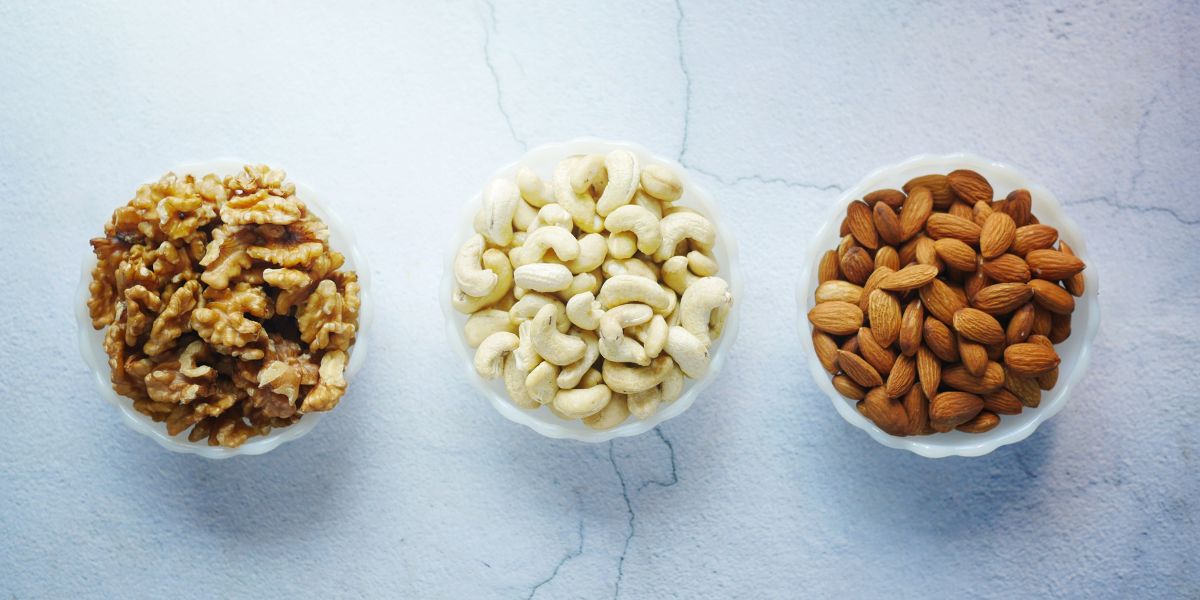
- Nuts and seeds: these can add richness in modest amounts and fit well into a more nourishing pattern.
- Milk and milk products, when they suit you: Indian nutrition guidance includes milk and milk products within the basic food groups, but personal tolerance still matters.
- Gentle culinary spices: Indian cooking already uses spices in a way that can keep food flavourful without making every meal excessively sharp or heavy.
The way food is cooked also matters. Softer textures, sensible seasoning and meals that feel warm and settled often work better in an Ayurvedic plan than food that is very dry, very greasy or repeatedly consumed straight from packets.
This is one reason many people find that going back to simpler home-style meals feels more manageable than following fashionable health trends.
Foods and Habits Often Limited
Ayurveda usually pays attention not only to what you eat, but to what regularly disturbs digestion, rhythm and internal balance.
The purpose of this section is not to create fear around food. It is to identify patterns that often work against a steady, nourishing routine.
- Highly processed foods that are rich in salt, sugar and fats.
- Frequent fried or overly greasy meals that leave a sense of heaviness.
- Very irregular eating patterns, where the body is pushed from long gaps to overeating.
- Habitual late-night snacking turns the diet into constant grazing rather than settled meals.
- Excessively pungent, sour or rich foods repeatedly trigger discomfort.
- Smoking and alcohol are part of a broader lifestyle picture that deserves review in reproductive health discussions.
The ICMR standard treatment workflow for female infertility includes weight, waist circumference, blood pressure, eating disorder history, vigorous exercise, smoking and alcohol intake as part of evaluation.
That does not turn diet into a cure-all, but it does show that food and lifestyle habits are taken seriously in reproductive health assessment.
Tailoring the Plan to Your Constitution and Digestive State
Ayurveda is individual by design. A plan that feels steady for one person may feel unsuitable for another.
The official Prakriti portal of the Ministry of Ayush states that prakriti, or an individual’s natural constitution, is an important aspect of Ayurvedic diagnosis and treatment.
That is why an Ayurvedic diet plan for reproductive health should be treated as a framework, not a fixed chart copied from the internet.
Start With What Your Body Is Telling You
Before changing your grocery list, notice how you usually feel after eating. Do meals leave you calm and nourished, or heavy and sleepy?
Do you feel settled, or bloated and irritable? Do you feel supported by your regular diet, or constantly pulled towards stimulants and snacks?
Ayurveda would usually take these signals seriously rather than dismissing them as minor inconveniences.
Review Food Tolerance Honestly
A food can be broadly healthy and still not suit you well in its current form, timing or quantity. That is why personal review matters.
If a certain dairy item, grain, fermented food or spice level consistently leaves you uncomfortable, the response is not to declare the food universally bad. It is to adjust preparation, frequency or portion, and to seek qualified advice where needed.
This is far more aligned with Ayurveda than copying rigid lists of allowed and banned foods.
Adjust With Season, Routine, and Stress Load
An Ayurvedic plan is not static across the year. Your appetite, work rhythm, sleep quality and stress load can all shape how well food is handled.
Even Indian dietary guidance recognises the need for flexibility across diverse regional and cultural patterns.
That means the strongest diet plan is not the most fashionable one. It is the one you can adapt sensibly without losing its basic structure.
Daily Eating Rhythm That Supports Reproductive Wellness

Once the food choices are broadly right, the next step is rhythm. Consistency often matters more than chasing perfect ingredients.
Ayurveda tends to favour regularity, while Indian nutrition guidance presents balanced meals as part of a day’s overall intake rather than as random eating.
A useful rhythm usually includes eating with attention, keeping meals organised, and avoiding the cycle of under-eating followed by a very heavy intake later.
A sensible daily structure can look like this in principle:
- Eat at fairly regular times
- Keep main meals balanced rather than one-dimensional
- Avoid eating past comfortable hunger
- Leave enough room for digestion before the next meal
- Reduce reliance on packaged snack foods
- Choose a simpler evening meal when heavy food feels burdensome
This kind of rhythm is often more helpful than endlessly changing ingredients. When your body can anticipate food, digest it without strain and return to a calmer state afterwards, the entire diet plan becomes easier to maintain.
Lifestyle Factors That Shape the Effect of Diet
Food is central, but it does not work alone. Reproductive health is influenced by a wider daily pattern.
Government sources used in reproductive health assessment include body weight, waist circumference, blood pressure, exercise pattern, smoking, alcohol use and related history. That tells you something important: diet should be reviewed alongside movement, sleep, stress and everyday habits, not treated as a stand-alone answer.
An Ayurvedic approach usually sits better when you also pay attention to:
- Sleep quality
- Meal regularity
- Physical activity without excess
- Stress load
- Bowel regularity and digestive comfort
- Menstrual wellbeing, where relevant
If these areas remain ignored, even a carefully chosen diet can feel inconsistent in its effect. The better approach is to let food anchor a calmer routine rather than expecting it to carry the whole burden.
When to Seek Personal Guidance?
A general article can only offer a broad framework. Personal advice matters when symptoms are persistent or when reproductive concerns are already under evaluation.
If you have ongoing cycle irregularity, marked discomfort, unexplained digestive distress, major changes in weight, known thyroid concerns, or you are already undergoing a reproductive health assessment, a self-made diet plan should not replace qualified medical care. The ICMR workflow for infertility includes a detailed history and examination for precisely this reason. Diet can support your overall routine, but personalised care remains important.
In the end, the most useful Ayurvedic diet plan is not the strictest one. It is the one that brings your eating pattern back to balance: fresh food, familiar Indian ingredients, digestive comfort, regular rhythm and individual suitability.
References
- Reproductive and Child Health (RCH) Portalhttps://rch.mohfw.gov.in/RCH/
- Dietary guidelines across different countries & comparisons to dietary guidelines for Indianshttps://pmc.ncbi.nlm.nih.gov/articles/PMC12550444/
- India’s journey in mainstreaming Ayush in primary health care—from tradition to integrationhttps://pmc.ncbi.nlm.nih.gov/articles/PMC12602521/


Written by

Zanducare
India’s trusted name in Ayurvedic wellness, offering time-tested solutions for today’s health and lifestyle needs. With formulations rooted in classical Ayurvedic texts and crafted using pure natural ingredients, we bring holistic care into your everyday routine.
Research by



Leave a comment
This site is protected by hCaptcha and the hCaptcha Privacy Policy and Terms of Service apply.