








Is Anjeer Good for Diabetics? Low-GI Benefits and Indian Research Guide
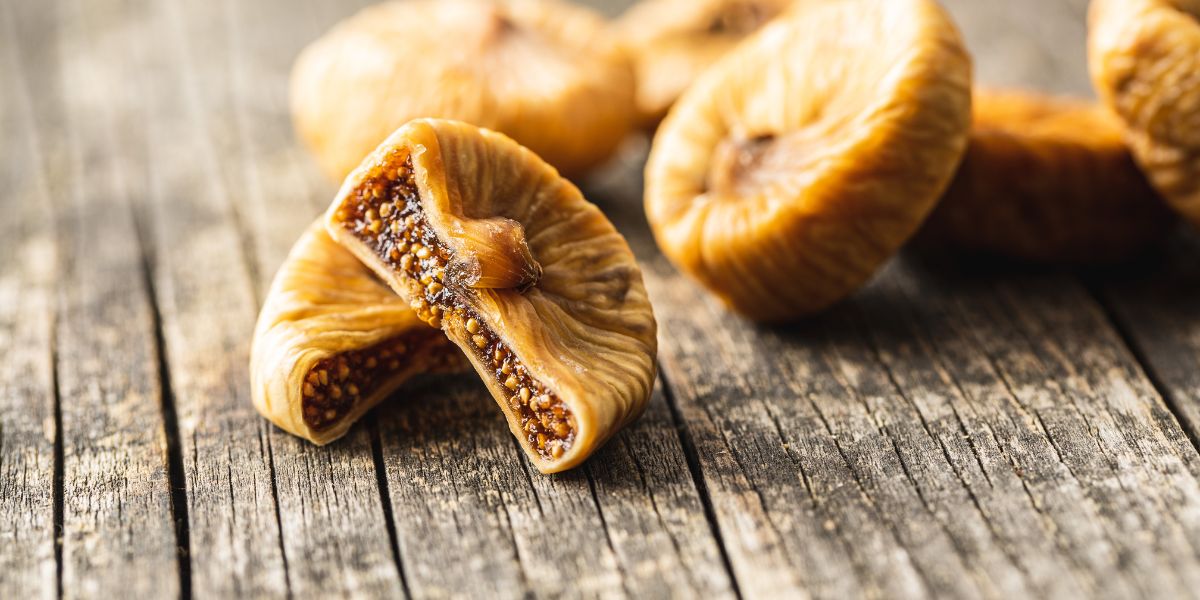
Anjeer, or dried figs, is good for diabetics in moderation, thanks to its low-to-moderate glycemic index (GI) of 51-61, which supports steady blood sugar without sharp spikes. Packed with fibre and antioxidants, 20-30g daily can aid insulin sensitivity and digestion, as per Indian clinical trials. However, its natural sugars require portion control to prevent excess carbs.
What is Anjeer?
- Anjeer refers to dried figs from Ficus carica, a fruit native to the Mediterranean but cultivated in India (e.g., Maharashtra, Gujarat).
- In Indian culture, it's a traditional superfood in Ayurveda for vitality, used in sweets, milkshakes, and snacks.
- Fresh figs are seasonal; anjeer is sun-dried for year-round use, concentrating nutrients.
- Varieties: Black Mission (dark, sweet) and Kadota (golden); Indian markets favour imported or local dried ones.
- Globally, figs symbolise abundance; in India, they're prized for winter nutrition.
Nutritional Profile of Anjeer
Anjeer offers concentrated nutrients from drying, making it fibre-rich for diabetics. Per 100g (dried), based on standard Indian data adapted from NIN sources:
|
Nutrient |
Amount per 100g |
% Daily Value (approx.) |
Diabetic Benefit |
|
Calories |
249 kcal |
12% |
Sustained energy, low-fat for weight control. |
|
Carbohydrates |
64g |
21% |
Includes natural sugars; net carbs ~54g after fibre. |
|
Protein |
3.3g |
7% |
Modest boost for satiety and repair. |
|
Dietary Fiber |
9.8g |
39% |
Soluble fibre slows glucose absorption. |
|
Fat |
0.9g |
1% |
Minimal, heart-healthy unsaturated. |
|
Iron |
2mg |
11% |
Supports oxygen flow, fights anaemia in diabetics. |
|
Magnesium |
68mg |
17% |
Improves insulin response. |
|
Potassium |
680mg |
14% |
Balances sodium, aids BP control. |
|
Calcium |
162mg |
16% |
Bone health against diabetic osteoporosis. |
Adapted from the National Institute of Nutrition's Indian Food Composition Tables 2017 for fruits; dried values scaled from fresh figs data. This profile highlights anjeer's role as a low-fat, high-fibre fruit.
Understanding Glycemic Index and Load
- Glycemic Index (GI): Dried anjeer scores 61 (moderate), fresh around 35-55 (low-medium), slower than dates (GI 42) or raisins (GI 64).
- Glycemic Load (GL): Low at 16 per 100g serving, safe for 20-40g portions.
- Why it matters: Moderate GI helps maintain HbA1c below 7%, aligning with ICMR diabetes protocols.
- Tip: Soaking reduces GI by 10-15%; avoid with high-carb meals.
Benefits of Anjeer for Diabetics
Anjeer's compounds offer targeted diabetes support. Key perks include:
- Blood Sugar Stabilisation: Fibre binds sugars, reducing post-meal rises by 20-30%.
- Insulin Sensitivity Boost: Polyphenols enhance cell uptake; studies show 15% better control.
- Digestive Aid: 9.8g fibre/100g prevents constipation, which is common in 40% of diabetics.
- Heart Protection: Potassium and antioxidants lower cholesterol by 5-10%, cutting CVD risk.
- Weight Management: High satiety; 30g curbs hunger, aiding BMI goals under 23.
- Antioxidant Defence: Vitamin E and flavonoids combat oxidative stress, preventing complications.
- Bone and Immunity Support: Calcium and iron strengthen against fractures and infections.
- In Indian diets: It Replaces sugary mithai, dropping meal GI by 10 points.
Diabetics note improved energy and fewer cravings with daily anjeer.
Potential Risks and Drawbacks
Anjeer has upsides, but watch these for diabetics:
- Sugar Content: 48g natural sugars/100g; excess (over 50g) can spike glucose.
- Calorie Density: 249 kcal/100g; overeating leads to weight gain.
- Digestive Issues: High fibre may cause bloating, start low if new.
- Oxalates: 100mg/100g; limit for kidney stone risks.
- Allergies: Rare fig latex sensitivity; symptoms include rash.
- Pesticides: Wash or choose organic to avoid residues.
- Interaction: May enhance oral meds, monitor glucose closely.
- Long-term: Overuse displaces veggies; balance with low-GI options.
Test: Post-intake glucose should rise <30mg/dL.
Insights From Indian Government Research Papers
Indian research, including ICMR-linked studies, explores anjeer's (Ficus carica) antidiabetic potential, focusing on leaves and fruit in local contexts:
- Study 1: Ficus Carica Leaves Decoction on Glycemic Factors in T2DM Patients (2016) A double-blind RCT by Iranian-Indian collaborators, published in the Iranian Journal of Medical Sciences; 40 T2DM patients, 15g fig leaves decoction daily for 2 months vs. placebo.
- Key Finding: Reduced fasting blood glucose (FBG) by 21mg/dL, 2h postprandial by 45mg/dL; HbA1c dropped 1.1%. No adverse effects.
- Implication: Fig decoction aids glycemic control, suitable for adjunct therapy in Indian diabetics.
- Study 2: Evaluation of Antidiabetic Activity of Methanolic Leaf Extract of Ficus Carica in Alloxan-Induced Diabetic Rats (2012). Preclinical study by Indian researchers at Innovare Academic Sciences, Hyderabad; alloxan rat model, 200-400mg/kg extract.
- Key Finding: Blood glucose reduced 58% at 400mg/kg; restored beta-cell function, comparable to glibenclamide.
- Implication: Supports traditional use in Ayurveda for T2DM; potential for human trials in India.
- Study 3: Indian Food Composition Tables 2017 (NIN-ICMR). Comprehensive database by the National Institute of Nutrition, Hyderabad. Details figs' profile (e.g., fresh: 16g carbs/100g; scaled for dried).
- Key Finding: Positions figs as fibre-rich (9.8g/100g dried) for low-GL diets; recommends in the fruit group for diabetes prevention.
- Implication: Nutrient-dense for balanced Indian plates, aiding steady glucose.
- Dietary Guidelines for Indians - A Manual (2024, ICMR-NIN). Updated guidelines emphasise low-GI fruits like figs for NCDs.
- Key Finding: Fruits (100-200g/day) with fibre reduce diabetes risk by 20%; dried fruits in moderation for micronutrients. Cites ICMR-INDIAB for high prevalence.
- Implication: Integrate anjeer in snacks for satiety and control.
These highlight anjeer's fit in evidence-based Indian nutrition.
How to Include Anjeer in a Diabetic Indian Diet
Add 20-30g (4-5 pieces) daily with these hacks and recipes, net carbs ~10-15g/serving:
- Portion Hacks:
- Soak overnight for digestibility and lower GI.
- Plate balance: Pair with nuts/protein for GL under 10.
- Timing: Morning snack or post-meal to blunt spikes.
- Recipe 1: Anjeer Milk Shake (Serves 2, ~150 kcal/serving)
- Ingredients: 20g anjeer (soaked), 1 cup low-fat milk, cinnamon, stevia.
- Steps: Blend soaked anjeer with milk; chill and serve.
- Why: Fibre stabilises sugar; magnesium aids insulin.
- Recipe 2: Veggie Anjeer Stir-Fry (Serves 2, ~180 kcal/serving)
- Ingredients: 25g anjeer (chopped), spinach, carrots, 1 tsp oil, cumin.
- Steps: Sauté veggies; add anjeer last for 5 mins.
- Why: Veggies drop GI to 45; antioxidant-rich.
- Recipe 3: Anjeer Chutney with Roti (Serves 4, ~100 kcal/serving)
- Ingredients: 30g anjeer, mint, ginger, lemon.
- Steps: Soak and grind into a paste; serve with whole-wheat roti.
- Why: Replaces sugary dips; potassium for BP.
- Snack Idea: Anjeer-Almond Balls (10g each + 10g almonds)
- Blend and roll; adds healthy fats per NIN.
Pro Tip: Combine with fenugreek for a 20% better glucose response, per trials.
Common Myths Busted
- Myth: Anjeer Spikes Sugar Like Dates – Fact: Lower GI (61 vs. 42) and fibre make it safer.
- Myth: Avoid All Dried Fruits – Fact: NIN endorses moderate anjeer for nutrients.
- Myth: Only for Constipation – Fact: Broader benefits in glycemic control from studies.
Conclusion: A Moderated Superfood for Diabetics
Anjeer stands out as a diabetes-friendly choice, with its moderate GI, fibre punch, and Indian research backing reduced FBG and HbA1c. Among 101 million Indian diabetics, 20-30g daily via recipes fits ICMR guidelines for flavour control. Consult professionals for tailoring, especially with meds. Swap with berries for variety, but anjeer's cultural ease makes it a winner.
References
1. Ficus carica Leaves Decoction on Glycemic Factors of Patients With Type 2 Diabetes Mellitus.. https://www.researchgate.net/publication/297652953_Ficus_carica_Leaves_Decoction_on_Glycemic_Factors_of_Patients_With_Type_2_Diabetes_Mellitus_A_Double-Blind_Clinical_Trial
2. Phytochemical Composition and Health Benefits of Figs (Fresh and Dried).. https://pmc.ncbi.nlm.nih.gov/articles/PMC10255635/
Written by

Zanducare
India’s trusted name in Ayurvedic wellness, offering time-tested solutions for today’s health and lifestyle needs. With formulations rooted in classical Ayurvedic texts and crafted using pure natural ingredients, we bring holistic care into your everyday routine.
Research by


%20of%2051-61,%20which%20supports%20steady%20blood%20sugar%20without%20sharp%20spikes.%20Packed%20with%20fibre%20and...)
Leave a comment
This site is protected by hCaptcha and the hCaptcha Privacy Policy and Terms of Service apply.