











Can Diabetics Eat Almonds Daily? Nutrition Facts and Glycemic Control Guide
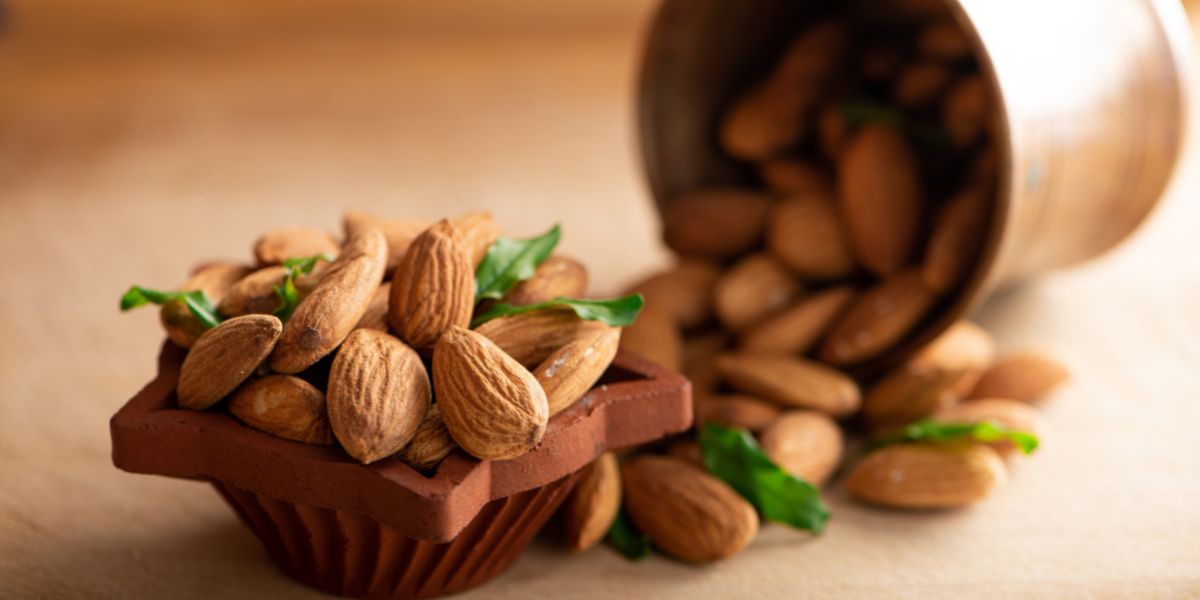
Almonds are indeed good for diabetics when consumed in moderation, offering low glycemic index (GI) benefits that help stabilise blood sugar levels. Rich in healthy fats, fibre, and magnesium, a daily handful (20-30g) can improve insulin sensitivity and reduce HbA1c without causing spikes, as supported by Indian studies. However, portion control is key to avoiding excess calories.
What are Almonds?
- Almonds (Prunus dulcis) are tree nuts native to the Middle East but widely grown in India, especially in Jammu & Kashmir and Himachal Pradesh.
- In Indian cuisine, they're used raw, roasted, or in dishes like badam milk, halwa, and curries.
- Types include sweet (edible) and bitter (for oil); sweet almonds dominate diets.
- Globally, they're a superfood; in Ayurveda, they're valued for energy and brain health.
Nutritional Profile of Almonds
Almonds deliver a powerhouse of nutrients ideal for diabetics. Per 28g (1 handful, ~23 almonds), based on Indian food data:
|
Nutrient |
Amount per 28g |
% Daily Value (approx.) |
Diabetic Benefit |
|
Calories |
164 kcal |
8% |
Energy without sugar overload. |
|
Carbohydrates |
6g |
2% |
Low net carbs (3g after fiber). |
|
Protein |
6g |
12% |
Supports muscle and slows glucose release. |
|
Dietary Fiber |
3.5g |
14% |
Aids digestion and blood sugar stability. |
|
Healthy Fats |
14g |
18% |
Monounsaturated fats improve heart health. |
|
Magnesium |
76mg |
19% |
Enhances insulin function. |
|
Vitamin E |
7.3mg |
49% |
Antioxidant protection against complications. |
|
Calcium |
75mg |
8% |
Bone health is crucial for long-term diabetics. |
Data from the National Institute of Nutrition (NIN) Indian Food Composition Tables 2017. This low-carb, high-fibre profile makes almonds a smart snack.
Understanding Glycemic Index and Load
- Glycemic Index (GI): Almonds have a very low GI of 0-15, meaning minimal blood sugar impact compared to rice (GI 73) or bread (GI 75).
- Pure almonds score near 0; mixed with sweets, it rises slightly.
- Glycemic Load (GL): Around 0-2 per serving, ultra-low, ideal for steady glucose.
- Why it matters: Low-GI nuts like almonds help keep post-meal glucose under 180mg/dL, per ICMR guidelines.
- Tip: Roasting doesn't alter GI much, but avoid sugared versions.
Benefits of Almonds for Diabetics
Almonds shine in diabetes management through multiple mechanisms. Here's a breakdown:
- Blood Sugar Regulation: Fibre and fats slow carb absorption; studies show reduced post-meal spikes by 10-20%.
- Improved Insulin Sensitivity: Magnesium boosts insulin action; daily intake cuts resistance by up to 30% in prediabetics.
- Heart Protection: Lowers LDL cholesterol by 5-10%, vital as 50% of diabetics face CVD risks.
- Weight Control Aid: High satiety from protein/fibre; helps maintain BMI under 23, reducing diabetes progression.
- Antioxidant Boost: Vitamin E fights oxidative stress, linked to neuropathy prevention.
- Gut Health Support: Prebiotic fibre promotes microbiome balance, aiding glucose metabolism.
- Energy Without Crashes: Sustained release prevents hypoglycemia in medicated diabetics.
- In Indian diets, replacing high-GI snacks like namkeen lowers overall meal GL by 15%.
Users report fewer cravings and better energy with almond snacks.
Potential Risks and Drawbacks
While beneficial, almonds aren't risk-free for diabetics:
- Calorie Density: 164 kcal per handful; overeating (over 50g/day) can lead to weight gain and worsening insulin resistance.
- Allergy Issues: Common nut allergy; symptoms include itching or anaphylaxis, avoid if sensitive (affects 1-2% Indians).
- Digestive Concerns: High fibre may cause bloating; start with 10g and soak overnight.
- Oxalate Content: 469mg/100g; high for kidney stone-prone diabetics, limit to 20g if at risk.
- Pesticide Residue: Non-organic may have traces; opt for organic or wash well.
- Interaction with Meds: Rare, but high vitamin E could affect blood thinners—consult doctor.
- Long-term: Monotony may displace varied nuts like walnuts for omega-3s.
Monitor: Check glucose after eating; aim for no rise over 20mg/dL.
Insights From Indian Government Research Papers
Indian studies, often funded by ICMR/NIN, highlight almonds' role in local diets. These focus on Asian Indian populations prone to early diabetes:
- Study 1: Effect of Almond Supplementation on Glycemia and Cardiovascular Risk Factors (2017). Led by researchers at All India Institute of Medical Sciences (AIIMS), New Delhi. 24-week intervention on 50 T2DM patients; 20% energy from almonds.
- Key Finding: Reduced HbA1c (7.7% to 7.3%), total cholesterol (201 to 187 mg/dL), triglycerides (170 to 149 mg/dL); improved inflammation (hs-CRP down 21%).
- Implication: Almonds aid glycemic and lipid control in Indian diabetics. Quote: "Incorporation of almonds in a well-balanced healthy diet leads to multiple beneficial effects on glycemic and CVDs risk factors."
- Study 2: Effect of Almond Consumption on Insulin Sensitivity and Serum Lipids (2023) RCT by Madras Diabetes Research Foundation, Chennai, on 352 overweight adults; 43g almonds daily for 12 weeks.
- Key Finding: Lowered insulin resistance (HOMA-IR down 0.4), improved beta-cell function (DIo up 0.7), reduced cholesterol (5.4 mg/dL); better glycemic variability via CGM.
- Implication: Reduces diabetes risk in obese Indians by shifting to healthier fats. Quote: "Daily consumption of almonds... decreases insulin resistance, improves insulin sensitivity and lowers serum cholesterol."
- Study 3: Effect of Almond Consumption on Metabolic Risk Factors (2021) Frontiers in Nutrition study on 219 young prediabetics in Mumbai; 56g almonds for 90 days.
- Key Finding: HbA1c dropped significantly; lowered LDL and total cholesterol; no significant glucose changes, but prevented progression.
- Implication: Preventive for youth at risk in India.
- NIN Dietary Guidelines for Indians (2024) ICMR-NIN's comprehensive guide recommends 20-40g nuts daily, including almonds, for fibre and fats aiding glycemic control.
- Key Finding: Nuts like almonds in balanced diets reduce insulin resistance; include in menus for diabetics (e.g., 20g breakfast). Emphasises low-GI, fibre-rich foods.
- Implication: Positions almonds as nutrient-dense for NCD prevention.
These affirm almonds' cultural fit and evidence-based benefits.
How to Include Almonds in a Diabetic Indian Diet
Incorporate 20-30g daily with these tips and recipes, track carbs via apps:
- Portion Hacks:
- Limit to 15-23 pieces; soak for better digestion.
- Balance: Pair with veggies or yoghurt for lower GL.
- Timing: Mid-morning or pre-meal to curb hunger.
- Recipe 1: Almond-Veggie Stir-Fry (Serves 2, ~200 kcal/serving)
- Ingredients: 20g almonds, 1 cup mixed veggies (broccoli, capsicum), spices, 1 tsp oil.
- Steps: Roast almonds; sauté veggies; mix and season.
- Why: Fibre combo keeps GI under 20.
- Recipe 2: Badam Milk (Sugar-Free, Serves 2, ~150 kcal/serving)
- Ingredients: 30g almonds (blended), 2 cups low-fat milk, cardamom, stevia.
- Steps: Soak, blend almonds; heat with milk and flavours.
- Why: Magnesium-rich for an insulin boost.
- Recipe 3: Almond Chutney with Roti (Serves 4, ~180 kcal/serving)
- Ingredients: 40g almonds, greens, garlic, lemon.
- Steps: Grind into a paste; serve with whole-wheat roti.
- Why: Replaces high-GI dips; adds protein.
- Snack Idea: Roasted Almonds with Chia (10g each)
- Mix and eat; adds omega-3s per NIN.
Pro Tip: Add to salads or dals; studies show pre-meal almonds cut postprandial glucose.
Common Myths Busted
- Myth: Almonds Raise Blood Sugar – Fact: Low GI prevents this; evidence shows stabilisation.
- Myth: Too Fatty for Diabetics – Fact: Healthy fats lower cholesterol, per Indian trials.
- Myth: Only for Weight Loss – Fact: Benefits extend to heart and glucose control.
Conclusion: A Smart Addition for Diabetics
Almonds emerge as a valuable tool for diabetics, backed by Indian research showing reduced HbA1c, better insulin sensitivity, and heart protection. With India's 101 million diabetics, incorporating 20-30g daily via simple recipes aligns with NIN guidelines for sustainable management. Constantly personalise with a healthcare provider, especially if on insulin. Embrace almonds for flavour and health; moderation unlocks their potential.
References
1. Effect of Almond Supplementation on Glycemia and Cardiovascular Risk Factors in Asian Indians in North India with Type 2 Diabetes Mellitus. https://pmc.ncbi.nlm.nih.gov/articles/PMC5333560/
2. Effect of almond consumption on insulin sensitivity and serum lipids among Asian Indian adults with overweight and obesity. https://pmc.ncbi.nlm.nih.gov/articles/PMC9873375/
Written by

Zanducare
India’s trusted name in Ayurvedic wellness, offering time-tested solutions for today’s health and lifestyle needs. With formulations rooted in classical Ayurvedic texts and crafted using pure natural ingredients, we bring holistic care into your everyday routine.
Research by


%20benefits%20that%20help%20stabilise%20blood%20sugar%20levels.%20Rich%20in%20healthy%20fats,%20fibre,%20and%20magnesium,%20a%20da...)
Leave a comment
This site is protected by hCaptcha and the hCaptcha Privacy Policy and Terms of Service apply.