Testosterone is a key hormone responsible for muscle growth, energy levels, libido, bone strength, and overall vitality in men (and also plays a role in women’s health). However, due to stress, poor diet, lack of sleep, and aging, testosterone levels can decline.
The good news? Your diet plays a powerful role in naturally supporting testosterone levels. By including the right foods, you can improve hormone balance without relying solely on supplements.
The most underrated factor? Food.
Your daily diet directly impacts:
- Hormone production
- Enzyme activity
- Nutrient absorption
- Inflammation levels
This guide explains exactly how foods influence testosterone, what to eat, what to avoid, and how to structure your diet for maximum hormonal health.
Why Testosterone Levels Drop
Before we dive into foods, it’s important to understand what causes low testosterone:
- Poor nutrition
- Chronic stress (high cortisol levels)
- Lack of sleep
- Sedentary lifestyle
- Alcohol and smoking
- Aging
Key Nutrients That Boost Testosterone
Certain nutrients are directly linked to testosterone production:
| Nutrient |
Role in Testosterone |
| Zinc |
Essential for testosterone production |
| Vitamin D |
Supports hormone regulation |
| Healthy fats |
Required for hormone synthesis |
| Magnesium |
Improves free testosterone levels |
| Protein |
Supports muscle and hormone health |
Understanding Testosterone Production (Why Food Matters)
Testosterone is produced mainly in the testes (in men) and is regulated by the hypothalamic pituitary gonadal (HPG) axis.
The Process:
- The brain releases GnRH
- Pituitary releases LH
- LH signals testes → produce testosterone
For this process to work efficiently, your body needs:
- Cholesterol (yes, the good kind)
- Vitamins and minerals
- Low inflammation
- Balanced insulin levels
- This is where food becomes critical.
The Nutritional Foundation of Testosterone
Testosterone production relies heavily on what you eat. Your body requires the right combination of healthy fats, protein, carbohydrates, and key micronutrients to synthesize hormones efficiently.
Deficiencies or imbalances in any of these areas can negatively impact testosterone, energy, and overall male health. Below, we break down the nutritional foundation of testosterone in detail.
1. Healthy Fats: The Building Blocks
Testosterone is a steroid hormone, which means it is synthesized from cholesterol. Without enough dietary fats, the body lacks the raw material needed for hormone production. Diets too low in fat can lead to reduced testosterone levels, decreased energy, and impaired reproductive health.
Best sources of healthy fats:
-
Ghee – Rich in saturated fats and fat-soluble vitamins (A, D, E, K), which support hormone synthesis and overall health. Moderate daily use strengthens hormonal balance.
-
Butter – Provides cholesterol and essential fats, along with butyrate, which reduces inflammation that can impair testosterone production.
-
Coconut oil – Contains medium-chain triglycerides (MCTs) that are quickly converted into energy and help maintain healthy body fat levels, indirectly supporting testosterone.
-
Olive oil – High in monounsaturated fats and antioxidants, which improve testicular function and reduce oxidative stress.
-
Nuts and seeds – Almonds, walnuts, pumpkin seeds, and sesame seeds provide a combination of healthy fats, magnesium, and zinc, supporting both testosterone production and cardiovascular health.
Science insight: Studies show that men on very low-fat diets can experience a 10–15% drop in testosterone levels, highlighting the importance of including healthy fats for hormone support.
Healthy fats should form the cornerstone of a testosterone-supporting diet, providing both raw materials for hormone synthesis and protection against oxidative stress.
2. Protein: Muscle + Hormonal Support
Protein does not directly increase testosterone, but it plays a crucial role in supporting lean muscle mass, which is closely tied to testosterone levels. Maintaining muscle mass prevents fat gain, which is important because excess body fat, especially abdominal fat, can convert testosterone into estrogen, lowering hormone levels.
Best protein sources:
-
Eggs – Complete proteins with vitamin D and cholesterol, essential for hormone synthesis.
-
Chicken – Lean protein that supports muscle growth and repair.
-
Fish – High-quality protein and omega-3s that reduce inflammation, indirectly supporting testosterone.
-
Paneer – A vegetarian source of protein rich in calcium and fats that support hormone health.
-
Lentils – Plant-based protein providing essential amino acids and fiber to support metabolism.
Consuming adequate protein throughout the day ensures muscle preservation, fat management, and long-term testosterone support.
3. Carbohydrates: The Missing Piece
Carbohydrates are often overlooked in testosterone nutrition, but they play a critical role in energy regulation and cortisol control. Very low-carb diets can increase cortisol, the stress hormone, which negatively affects testosterone. A balanced carbohydrate intake helps maintain energy during workouts and supports hormone balance.
Best carbohydrate sources:
-
Rice – Provides slow-digesting energy and supports glycogen replenishment in muscles.
-
Potatoes – Rich in complex carbs, potassium, and antioxidants.
-
Fruits – Natural sugars and micronutrients that provide energy and reduce oxidative stress.
-
Whole grains – Include oats, quinoa, and wheat, which provide fiber, B vitamins, and sustained energy.
Key insight: Balance is crucial—not too low, not excessive. Adequate carbs support energy, cortisol regulation, and overall hormonal health, complementing fats and protein in testosterone production.
4. Micronutrients That Directly Impact Testosterone
Micronutrients are small but powerful regulators of testosterone synthesis. Deficiencies in these nutrients can directly reduce hormone levels and male vitality.
Zinc
Zinc is essential for the synthesis of testosterone. Low zinc levels can reduce testosterone and impair reproductive function.
-
Sources: Pumpkin seeds, sesame seeds, chickpeas, nuts, and seafood.
-
Function: Supports hormone production, immune function, and cellular repair.
Vitamin D
Vitamin D acts more like a hormone than a vitamin and is critical for regulating testosterone. Deficiency is strongly linked to low testosterone levels.
-
Sources: Sunlight exposure, egg yolks, fatty fish like salmon and sardines.
-
Function: Enhances hormone regulation, immune health, and bone strength.
Magnesium
Magnesium improves free testosterone, the active form that your body can use. It also supports muscle function, energy metabolism, and stress reduction.
-
Sources: Spinach, almonds, pumpkin seeds, dark chocolate.
-
Function: Boosts bioavailable testosterone and protects hormone-producing cells.
Boron
Boron is a trace mineral that reduces estrogen levels and increases testosterone. It supports bone health, cognitive function, and reproductive health.
-
Sources: Raisins, almonds, prunes, and other dried fruits.
-
Function: Helps maintain hormone balance, lowers estrogen, and supports male vitality.
Can foods increase testosterone?
No single food can act as a magic pill to instantly raise testosterone. However, foods rich in cholesterol, healthy fats, protein, zinc, magnesium, and antioxidants support natural hormone production.
By eating these foods consistently, you provide your body with the materials it needs to:
- Produce testosterone efficiently
- Reduce inflammation that can block hormone synthesis
- Support muscle mass and energy levels
- Improve overall reproductive and metabolic health
The goal is long-term hormonal support, not instant boosting.
What foods help increase testosterone?
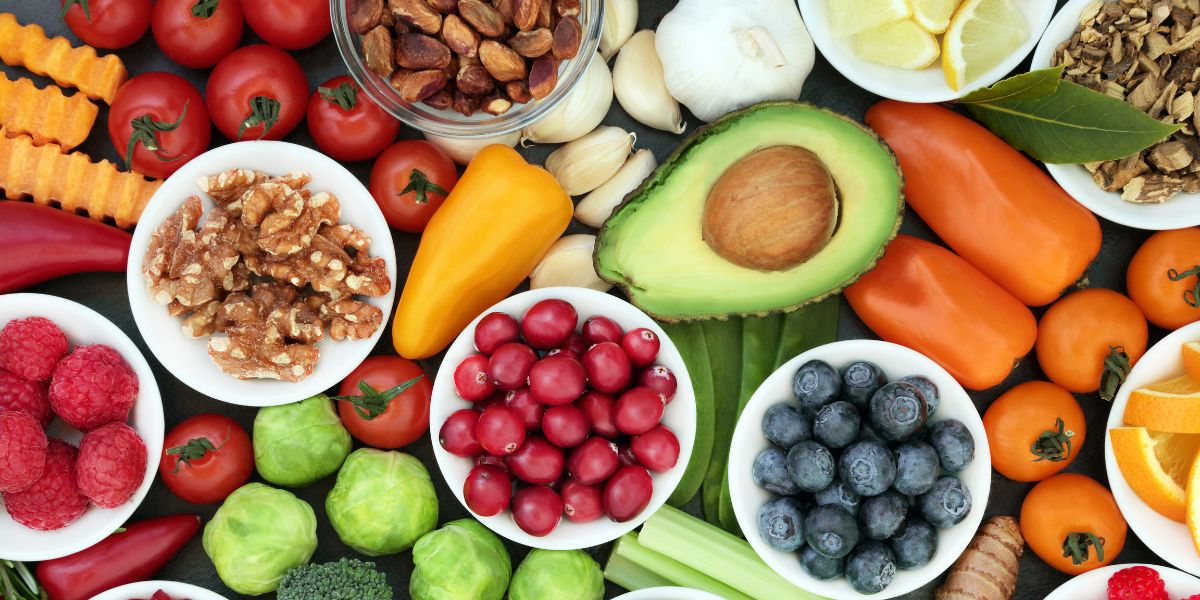
These foods are nutrient-dense and help your body maintain testosterone levels naturally. Including a variety of these foods consistently can improve energy, strength, and reproductive health over time.
Here are 16 in-depth testosterone-supporting foods:
1. Eggs
Eggs are one of the most complete testosterone-support foods. The yolk contains cholesterol, which is the raw material the body uses to produce testosterone. Without enough cholesterol, hormone synthesis is less efficient. Eggs also contain vitamin D, essential for regulating hormone levels, and high-quality protein, which helps preserve and build muscle mass. Muscle mass is linked with testosterone production, making eggs highly effective for overall male health.
Whole eggs are far superior to egg whites alone, as the yolk contains most of the cholesterol, vitamin D, and fat-soluble nutrients necessary for testosterone.
- Cholesterol supports hormone production
- Vitamin D regulates hormone levels
- Protein maintains muscle mass
2. Ghee
Ghee, or clarified butter, is a rich source of saturated fats and fat-soluble vitamins (A, D, E, K). Saturated fats are essential for testosterone production, while these vitamins support hormonal balance and metabolic function.
Ghee also improves digestion and nutrient absorption, helping the body utilize other testosterone-supporting foods more efficiently. Moderate daily consumption can strengthen hormonal balance without causing fat gain.
- Provides saturated fats for hormone synthesis
- Improves absorption of vitamins
- Supports hormonal balance
3. Butter
Butter contains cholesterol and healthy fats, along with compounds like butyrate that help reduce inflammation. Chronic inflammation can suppress testosterone, so reducing it is beneficial. Moderate butter consumption supports hormone production and overall male health, complementing other dietary fats.
- Cholesterol supports testosterone production
- Reduces inflammation
- Supports hormonal function
4. Olive oil
Olive oil is rich in monounsaturated fats and antioxidants. It improves the efficiency of hormone production rather than just supplying raw materials. The antioxidants in olive oil reduce oxidative stress, while the fats support testicular health and enzyme activity involved in testosterone synthesis.
Regular use of olive oil, especially in salads or raw, can support long-term hormonal health.
- Improves enzyme efficiency for hormone production
- Supports testicular function
- Reduces oxidative stress
5. Coconut oil
Coconut oil contains medium-chain triglycerides (MCTs), which are quickly converted into energy rather than stored as fat. Maintaining healthy body fat levels is crucial, as excess fat increases estrogen and reduces testosterone.
Coconut oil also supports metabolism and provides a stable energy source, indirectly supporting testosterone production.
- Provides energy while controlling fat storage
- Supports metabolism
- Indirectly boosts testosterone
6. Almonds
Almonds are rich in magnesium, zinc, and healthy fats, which are essential for testosterone. Magnesium helps increase free testosterone, the biologically active form. Zinc is directly involved in testosterone synthesis, and healthy fats provide the raw material for hormone production. Almonds also reduce oxidative stress, protecting hormone-producing cells.
- Boosts free testosterone
- Provides healthy fats
- Protects hormone-producing cells
7. Walnuts
Walnuts are high in omega-3 fatty acids, which reduce inflammation and improve circulation. Inflammation can negatively affect testosterone, while improved circulation supports reproductive health. Walnuts also contain antioxidants that protect cells involved in hormone production.
- Reduce inflammation
- Improve blood flow
- Protect testosterone-producing cells
8. Pumpkin seeds
Pumpkin seeds are a natural source of zinc, critical for testosterone synthesis. They also contain magnesium and healthy fats, which support muscle function and hormonal balance. Even mild zinc deficiency can reduce testosterone, making pumpkin seeds an excellent daily addition.
- Rich in zinc for hormone production
- Provide magnesium to increase free testosterone
- Support reproductive health
9. Fatty fish (salmon, sardines)
Fatty fish are packed with omega-3 fatty acids, which reduce inflammation, improve circulation, and support metabolic and reproductive health. By lowering inflammation, omega-3s help the body produce testosterone efficiently. Fatty fish also support heart and brain health, indirectly improving energy, mood, and hormonal function.
- Reduce inflammation
- Improve circulation
- Support metabolic and reproductive health
10. Garlic
Garlic contains compounds that lower cortisol, the stress hormone that can suppress testosterone. High cortisol can block hormone synthesis, so garlic helps maintain a favorable environment for testosterone. It also improves circulation and reduces inflammation, supporting overall male reproductive health.
- Lowers cortisol
- Reduces inflammation
- Supports hormonal balance
11. Spinach
Spinach is rich in magnesium, which increases free testosterone, the active form the body can use. Magnesium also improves muscle function, reduces fatigue, and supports recovery, all contributing to better testosterone levels. Regular inclusion in meals helps maintain long-term hormonal balance.
- Increases free testosterone
- Supports muscle function
- Reduces fatigue
12. Broccoli
Broccoli is a cruciferous vegetable that helps lower excess estrogen in the body. Lower estrogen allows testosterone to function more effectively. Broccoli also supports liver detoxification, helping remove harmful compounds that could disrupt hormone balance.
- Reduces estrogen
- Supports detoxification
- Improves hormonal balance
13. Ginger
Ginger improves blood circulation and reduces oxidative stress, supporting testosterone production. Better circulation ensures nutrients reach the testes efficiently, while reduced oxidative stress protects hormone-producing cells. Regular consumption can support reproductive health and overall vitality.
- Enhances blood flow
- Reduces oxidative stress
- Supports reproductive function
14. Pomegranate
Pomegranate is rich in antioxidants, which reduce oxidative stress and improve circulation. This creates an ideal environment for testosterone production. Improved blood flow supports reproductive health, while antioxidants protect hormone-producing cells. Regular consumption may also improve libido and vitality.
- Reduces oxidative stress
- Improves circulation
- Supports testosterone and libido
15. Bananas
Bananas provide natural sugars for energy and contain enzymes that support hormone production. They help reduce fatigue, maintain energy, and support overall metabolism, indirectly benefiting testosterone.
- Provide energy
- Support hormone production
- Reduce fatigue
16. Dark chocolate
Dark chocolate contains magnesium and antioxidants, which increase free testosterone and reduce stress. It also improves mood, energy, and overall male health. Choosing high-quality, low-sugar chocolate maximizes benefits.
- Boosts free testosterone
- Reduces stress
- Supports energy and mood
Ayurvedic foods and herbs that support testosterone
Ayurvedic herbs have been used for centuries to improve stamina, vitality, and male reproductive health. They work gradually, supporting the body’s internal balance and hormone production.
Ashwagandha
Ashwagandha is an adaptogen that reduces cortisol, the stress hormone that lowers testosterone. It also supports muscle strength, stamina, and recovery, improving reproductive and overall male health over time.
- Lowers cortisol
- Supports strength and muscle recovery
- Improves stamina and reproductive health
Shilajit
Shilajit is a mineral-rich resin that enhances cellular energy production, improving nutrient absorption and stamina. This improves overall body function, indirectly supporting testosterone production. It is especially effective for long-term vitality and reproductive health.
- Boosts cellular energy
- Improves nutrient absorption
- Supports stamina and reproductive function
Safed Musli
Safed Musli supports stamina, endurance, and male vitality. It reduces fatigue, strengthens the body, and gradually enhances testosterone by improving overall physical and reproductive health.
- Supports stamina and endurance
- Reduces fatigue
- Enhances reproductive health
Foods That Can Lower Testosterone
Just as certain foods help boost testosterone, others can negatively affect hormone production, either by increasing fat gain, raising inflammation, or disrupting the hormonal balance. Avoiding or limiting these foods is as important as including testosterone-supporting foods in your diet.
High sugar foods:
Excessive sugar intake, including candies, soft drinks, pastries, and processed sweets, can cause insulin spikes, leading to increased fat storage, especially around the abdomen. Higher body fat is linked to higher estrogen levels, which can suppress testosterone.
Chronic sugar consumption also promotes inflammation, oxidative stress, and metabolic dysfunction, all of which interfere with hormone production.
Alcohol:
Alcohol has multiple negative effects on testosterone. It can reduce testosterone synthesis, increase estrogen levels, and impair liver function, which is crucial for hormone metabolism.
Regular alcohol consumption also affects sleep quality and increases oxidative stress, further hindering testosterone production. Even moderate drinking can have cumulative effects over time if combined with a poor diet.
Processed foods:
Packaged and processed foods often contain refined oils, additives, and low-quality fats that promote systemic inflammation. Chronic inflammation can disrupt the endocrine system, including testosterone production.
Processed foods are also usually low in micronutrients, depriving the body of zinc, magnesium, and other essentials required for hormone synthesis.
Trans fats:
Found in partially hydrogenated oils, fast food, packaged snacks, and fried foods, trans fats directly impair hormone synthesis and reduce testosterone levels. They also increase inflammation and promote cardiovascular risk, indirectly affecting energy and overall male health.
Takeaway: Minimizing these foods while prioritizing whole, nutrient-dense, testosterone-supporting foods ensures the body has the best environment for hormone production.
Lifestyle Factors That Complement Diet
While diet forms the foundation for testosterone production, lifestyle habits have an equally significant impact. Even the healthiest foods cannot fully optimize testosterone if exercise, sleep, and stress are neglected.
Exercise:
Physical activity, especially strength training and high-intensity interval training (HIIT), is one of the most powerful natural ways to increase testosterone. Compound movements like squats, deadlifts, and bench presses activate multiple muscle groups, stimulating hormone release.
Consistent resistance training improves muscle mass, which in turn promotes higher baseline testosterone levels. Cardiovascular exercise also supports circulation and reduces fat, indirectly aiding hormone balance.
Sleep:
Most testosterone production occurs during deep REM sleep. Lack of sleep or poor-quality sleep significantly reduces daily testosterone output.
Studies show men who sleep fewer than 6–7 hours per night often have lower hormone levels, reduced energy, and impaired recovery. Prioritizing regular, sufficient, high-quality sleep is critical for hormonal health.
Stress management:
Chronic stress elevates cortisol, a hormone that suppresses testosterone production. High cortisol interferes with hormone synthesis, reduces libido, and increases fat accumulation, particularly around the abdomen.
Stress management techniques such as meditation, yoga, deep breathing, and mindfulness can lower cortisol levels, creating a favorable environment for testosterone.
Vitamins and minerals that naturally boost testosterone
Certain micronutrients are critical for testosterone production. Without them, your body cannot synthesize hormones efficiently.
-
Zinc: Found in pumpkin seeds, nuts, and meat, zinc is directly involved in testosterone synthesis. Low zinc levels can drastically reduce hormone levels.
-
Magnesium: Present in spinach, almonds, and dark chocolate, magnesium increases free testosterone, the active form used by the body.
-
Vitamin D: Fatty fish, eggs, and fortified foods provide vitamin D, which helps regulate hormone production. Deficiency is strongly linked to low testosterone.
-
Vitamin K2: Found in ghee and certain cheeses, it supports hormonal health and testosterone efficiency.
-
B vitamins: Found in whole grains, eggs, and leafy greens, these help energy metabolism and hormone synthesis.
Including these micronutrients daily ensures your body has the building blocks for testosterone.
Role of healthy fats in testosterone production
Testosterone is synthesized from cholesterol, so healthy dietary fats are essential. Healthy fats also support cellular integrity, reduce inflammation, and aid in nutrient absorption.
-
Saturated fats: Ghee, butter, coconut oil – crucial for hormone synthesis.
-
Monounsaturated fats: Olive oil, nuts – improve hormone efficiency.
-
Polyunsaturated fats: Fatty fish, walnuts – reduce inflammation and support circulation.
A diet too low in fats can impair testosterone production, while balanced intake supports hormone balance and overall health.
Natural lifestyle boosters
Apart from diet, several natural methods can help maintain or improve testosterone:
-
Cold exposure: Ice baths or cold showers may slightly improve testosterone and circulation.
-
Sunlight: Direct sunlight increases vitamin D, which supports hormone production.
-
Intermittent fasting: Some studies suggest it may improve testosterone in combination with nutrient-dense foods.
-
Maintaining a healthy gut: A healthy gut microbiome improves nutrient absorption and hormone regulation.
These methods complement food and lifestyle for maximum testosterone support.
Sample testosterone-supporting daily meal plan
Here’s an example of how to combine all testosterone-boosting foods into a day:
Breakfast:
- Whole eggs with spinach and olive oil
- Banana
- Green tea
Mid-morning snack:
- Almonds and pumpkin seeds
Lunch:
- Grilled salmon or fatty fish
- Broccoli and mixed vegetables
- Quinoa or whole grains
Afternoon snack:
- Dark chocolate and walnuts
Dinner:
- Chicken or lean meat
- Ghee-cooked vegetables
- Spinach salad with olive oil
Before bed:
- Ashwagandha supplement (if recommended)
- Milk with a small amount of Safed Musli
This combines protein, healthy fats, zinc, magnesium, antioxidants, and Ayurvedic herbs for maximal testosterone support.
Conclusion
Testosterone is essential for energy, muscle growth, libido, and overall vitality. While factors like aging, stress, poor sleep, and sedentary habits can lower testosterone, diet plays a powerful role in naturally supporting hormone levels. By focusing on nutrient-dense foods rich in healthy fats, protein, complex carbohydrates, and key micronutrients like zinc, magnesium, and vitamin D, you provide your body with the building blocks for efficient testosterone production.
In addition, incorporating Ayurvedic herbs such as Ashwagandha, Shilajit, and Safed Musli, alongside lifestyle practices like strength training, quality sleep, stress management, and sunlight exposure, can create an optimal environment for hormone balance.
Ultimately, there’s no single “magic food” for testosterone. Consistency in nutrition, exercise, and healthy habits ensures long-term support for hormonal health, vitality, and overall well-being.
References
-
Antioxidants protect the body from oxidative stress, which in turn supports hormone-producing cells.(https://pmc.ncbi.nlm.nih.gov)
-
Pomegranates are full of antioxidants. Antioxidants protect the body from oxidative stress, which in turn supports hormone-producing cells.(https://www.researchgate.net)
-
Garlic contains compounds like allicin that support overall balance in the body. By potentially helping to lower cortisol levels, garlic indirectly supports testosterone balance, too. (https://www.sciencedirect.com)







.%20However,%20due%20to%20stress,%20poo...)
Leave a comment
This site is protected by hCaptcha and the hCaptcha Privacy Policy and Terms of Service apply.