







Shilajit vs Creatine: 13+ Key Differences, Benefits & Which One You Should Choose!
Shilajit and creatine are popular supplements for improving health, energy, and muscle performance. Shilajit is a natural resin from the Himalayas used in Indian Ayurveda for overall wellness, while creatine is a compound often made in labs to boost quick energy during workouts.
This article compares them in detail, examining origins, benefits, side effects, and which one might be better for you, based on studies, including Indian research.
| Parameter | Shilajit | Creatine |
|---|---|---|
| Origin | Natural resin from the Himalayan rocks formed over centuries from plant and mineral matter | Natural compound found in meat and fish; supplements are lab-made from chemicals |
| Traditional Use | Used for thousands of years in Ayurveda for strength, vitality, and rejuvenation | Discovered in 1832, widely used since the 1990s for sports performance |
| Source Regions | Collected in Uttarakhand, Himachal Pradesh, Nepal, and Tibet | Manufactured globally; sold in India as a sports supplement |
| Nature | Completely natural, non-synthetic | Synthetic in supplement form; can be vegan if lab-made |
| Main Components | Fulvic acid, humic acid, 84+ minerals (iron, zinc, magnesium) | Creatine monohydrate (most common), derived from amino acids |
| Forms Available | Resin, capsules, powder | Powder, capsules, gummies |
| Energy Mechanism | Improves mitochondrial function and ATP production for sustained energy | Increases phosphocreatine to regenerate ATP for quick energy bursts |
| Primary Benefits | Holistic wellness, stamina, stress reduction, metabolism, immunity, anti-ageing | Muscle strength, power, performance, quick recovery |
| Muscle Building | Boosts testosterone; supports long-term muscle growth and recovery | Rapid increases in strength and muscle size |
| Exercise Performance | Enhances endurance and adaptation to stress | Boosts high-intensity performance (HIIT, sprinting, lifting) |
| Brain Health | Anti-inflammatory; supports memory and protects against neurodegeneration | Supports brain energy; improves memory and focus |
| Immune Support | Activates immune cells; anti-stress agent | Reduces inflammation; supports immunity in athletes |
| Bone & Joint Health | Strengthens bones; reduces joint pain and arthritis | Improves bone density when combined with exercise |
| Metabolic Benefits | Improves lipid levels; supports blood sugar control | Limited metabolic impact |
| Heart Health | Improves circulation; reduces cholesterol | Potential heart benefits; more research needed |
| Anti-Ageing | Strong antioxidant effects; improves nutrient absorption | No anti-ageing effects |
| Side Effects | Rare when purified; risk from heavy metals in raw form | Water retention, bloating, stomach upset |
| Safety Concerns | Raw shilajit may contain fungi or heavy metals; must be purified | Kidney strain with high doses; dehydration risk |
| Regulatory Status (India) | Studied by CCRAS | Regulated by FSSAI |
| Typical Dosage | 300–500 mg daily | 5 g/day maintenance after loading phase |
| Cost & Availability | Varies by purity; widely available in India | Affordable and widely available |
| Target Audience | Wellness seekers, stress management, long-term vitality | Gym-goers, athletes, performance-focused users |
| Best Use Case | Overall health, stamina, metabolic balance | Rapid strength, muscle mass, workout performance |
| Synergy Potential | Can be combined with creatine | Can be combined with shilajit |
What is Shilajit?
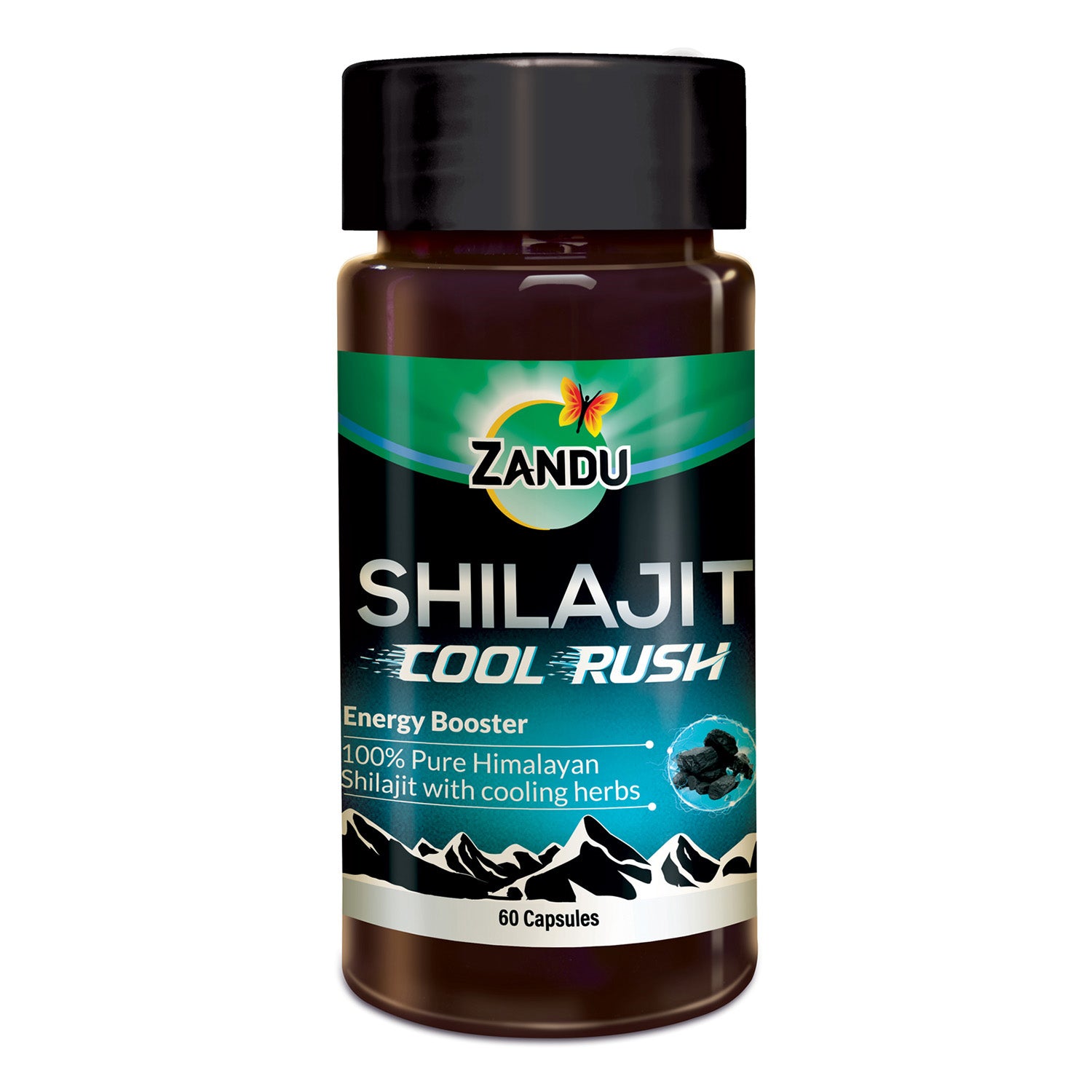
Shilajit is a black-brown sticky substance that comes from rocks in high mountains like the Himalayas. It forms over centuries from plant and mineral matter and is used in traditional Indian medicine for strength and vitality.
- Shilajit is known as "destroyer of weakness" in Sanskrit. It contains fulvic acid, humic acid, and over 84 minerals like iron, zinc, and magnesium.
- In India, it is collected from places like Uttarakhand and Himachal Pradesh at heights of 1000 to 5000 meters. It oozes out in the summer months.
- Ayurveda texts like Charaka Samhita describe it as a rejuvenator. It is processed to remove impurities before use.
- Modern forms include capsules, powder, or resin. Pure shilajit dissolves in water but not in alcohol.
- Indian government bodies like the Central Council for Research in Ayurvedic Sciences (CCRAS) study it for uses in diabetes and obesity.
- It is not synthetic; it is natural and has been used for thousands of years in India, Nepal, and Tibet.
- Processing involves purifying with water or milk to make it safe. Raw shilajit can have contaminants like fungi.
What is Creatine?
Creatine is a natural compound found in small amounts in meat and fish, but supplements are usually made in labs from chemicals. It helps muscles produce energy quickly during short, intense activities.
- The body makes creatine from amino acids like glycine and arginine in the liver, kidneys, and pancreas.
- Supplements are mostly creatine monohydrate, a white powder mixed with water or shakes.
- It is popular among athletes for building muscle and strength. About 95% of creatine in the body is stored in muscles.
- In India, it is sold as a sports supplement, but government bodies like FSSAI regulate it for safety.
- Creatine was discovered in 1832, and supplements became common in the 1990s after studies showed performance benefits.
- It comes in forms like powder, capsules, or gummies. The loading phase involves high doses for a week, then maintenance.
- Unlike shilajit, it is not from plants or minerals but can be vegan if lab-made.
Benefits of Shilajit
Shilajit offers wide health benefits beyond just muscles, like boosting energy and fighting stress. It acts as an adaptogen, helping the body handle harsh conditions.
- Energy and Stamina: Shilajit improves mitochondrial function, which is the powerhouse of cells. This leads to better ATP production, giving more energy for workouts and daily life.
- A study by India's Defence Research and Development Organisation (DRDO) showed that it helps reduce high-altitude fatigue by improving oxygen use and reducing tiredness.
- Muscle Building and Recovery: It increases testosterone levels, which helps build muscles. In one Indian study, men taking shilajit for 90 days had higher testosterone and better sperm quality.
- CCRAS research links it to reducing obesity by improving metabolism and lipid levels.
- Brain Health: Shilajit helps protect against brain issues like Alzheimer's. It reduces inflammation and removes toxins from the brain.
- Indian texts say it improves memory and reduces symptoms of dementia at high altitudes.
- Immune Boost: It stimulates the immune system by activating cells like macrophages. This helps fight infections and allergies.
- In high-altitude studies, it acted as an anti-stress agent, improving adaptation to cold and low oxygen.
- Bone and Joint Health: Minerals in shilajit strengthen bones and reduce joint pain. It is used in Ayurveda for arthritis.
- Anti-inflammatory effects help with gout and osteoarthritis by nourishing joints.
- Blood Sugar Control: Shilajit has hypoglycemic effects, helping manage diabetes. CCRAS uses it with other herbs for early diabetes symptoms like fatigue.
- Skin and Anti-Ageing: It fights free radicals, helping reduce signs of ageing. Fulvic acid improves nutrient absorption for better skin health.
- Heart Health: It improves circulation and reduces cholesterol. Studies show it protects against heart issues in stressful environments.
- Overall, shilajit is holistic, supporting multiple body systems. Indian government papers highlight its role in traditional medicine for longevity.
Benefits of Creatine
Creatine mainly focuses on muscle power and quick recovery during exercise. Many studies back it for sports performance.
- Muscle Strength and Size: Creatine increases phosphocreatine in muscles, helping regenerate ATP for explosive movements like lifting weights.
- An Indian study from JIPMER showed short-term creatine supplementation improved physical fitness in young adults, increasing weight and muscle mass.
- Exercise Performance: It boosts high-intensity activities like sprinting or HIIT. Users can do more reps or run faster.
- Research from NIMHANS, India, found that creatine with therapy helped reduce depression symptoms, showing brain benefits too.
- Recovery and Less Fatigue: Creatine reduces muscle damage after workouts, speeding up recovery. It also lowers soreness.
- A study on Indian athletes noted better resistance training outcomes with creatine, improving strength and antioxidant defence.
- Brain Function: Creatine supports brain energy, improving memory and focus, especially in vegetarians who get less from their diet.
- Indian research suggests it may help with mental health, like adding to CBT for depression.
- Bone Health: Some studies show that it increases bone density when combined with exercise, helping older people.
- Immune Support: It enhances immunity and reduces inflammation, beneficial for athletes under stress.
- Heart Benefits: Creatine may improve heart function in patients, but more research is needed.
In India, studies warn against overuse but confirm the benefits for muscles when used correctly. It is simple and effective for gym-goers.
Side Effects of Shilajit
Shilajit is generally safe when purified, but raw forms can cause issues. Always use tested products like ZanduCare's Shilajit.
- Common Issues: Sore throat, headache, or dizziness from fulvic acid. These are mild and rare.
- Allergies: Some get rashes or stomach upset if allergic to minerals.
-
Heavy Metals: Raw shilajit may contain toxins such as lead. Indian studies stress purification.
- Overdose: High doses can cause iron overload or digestive problems.
- CCRAS notes it is safe in controlled doses for obesity and diabetes.
Side Effects of Creatine
Creatine is safe for most, but some people may experience minor side effects. Indian studies highlight kidney risks in youth.
- Water Retention: Causes bloating or weight gain from water in muscles.
- Stomach Issues: Nausea, diarrhoea, or cramps if taken on an empty stomach.
- Kidney Strain: High doses may raise creatinine levels, stressing the kidneys. A Medanta study reported cases of kidney damage in Indian youth.
- Dehydration: Drink more water to avoid cramps or heat issues.
- Other: Rarely, hair loss or mood changes, but not proven.
- FSSAI warns against unapproved products. Studies like those from Semantic Scholar note risks for healthy youth.
Direct Comparison: Shilajit vs Creatine
Both help with energy, but they work in different ways. Let's compare key areas.
- Origin and Form: Shilajit is natural from the mountains, holistic in Ayurveda. Creatine is often synthetic, targeted for muscles.
- Energy Boost: Shilajit gives sustained energy via mitochondria; creatine provides quick bursts for short workouts.
- Muscle Gains: Creatine is better for fast strength gains; shilajit supports long-term testosterone and recovery.
- Health Scope: Shilajit covers brain, immunity, and anti-ageing; creatine focuses on performance and some brain benefits.
- Studies: Indian DRDO backs shilajit for altitude stress; NIMHANS supports creatine for depression.
- Side Effects: Both are safe, but shilajit needs purification; creatine may affect the kidneys in excess.
- Usage: Shilajit daily for wellness (300-500mg); creatine with loading (5g/day maintenance).
- Cost and Access: In India, both are affordable, but shilajit varies in purity.
- Who Wins?: Choose creatine for gym intensity; shilajit for overall health. They can be taken together for synergy.
| Goal | Better Choice |
|---|---|
| Sustained energy & vitality | Shilajit |
| Rapid muscle growth | Creatine |
| Holistic health | Shilajit |
| High-intensity workouts | Creatine |
| Stress adaptation & immunity | Shilajit |
| Gym performance | Creatine |
| Natural supplement preference | Shilajit |
| Budget-friendly sports nutrition | Creatine |
Conclusion
Shilajit and creatine both have unique strengths. Shilajit shines in natural, broad benefits from Indian traditions, while creatine excels in targeted muscle power. Consult a doctor before starting, especially if you have health issues. Based on your goals, pick one or combine them.
References:

Written by

Zanducare
India’s trusted name in Ayurvedic wellness, offering time-tested solutions for today’s health and lifestyle needs. With formulations rooted in classical Ayurvedic texts and crafted using pure natural ingredients, we bring holistic care into your everyday routine.
Research by



Leave a comment
This site is protected by hCaptcha and the hCaptcha Privacy Policy and Terms of Service apply.