







7-Day Indian-Friendly Meal Plan to Reverse Fatty Liver Naturally
Non-alcoholic fatty liver disease (NAFLD) involves excess fat buildup in the liver, often linked to poor diet, obesity, and insulin resistance, prevalent in India, with 9-32% adult rates per MoHFW guidelines. The optimal diet focuses on whole foods: abundant vegetables, fruits, lean proteins, and healthy fats like omega-3s from flaxseeds and fish, while slashing processed sugars, refined carbs, and saturated fats.
This 7-day plan, adapted from Mediterranean principles with Indian staples like millets and dals, targets 1,500-1,800 calories daily. Indian studies, including ICMR's, show that 5-10% weight loss via such diets reduces liver fat by up to 40% in months, improving enzymes and reversing early damage. Start now for sustained energy and metabolic health.
Understanding NAFLD: Why it Hits Indians Hard
NAFLD often starts silently, progressing from steatosis to inflammation, fibrosis, or cirrhosis without early symptoms. In India, it's tied to rapid urbanisation and dietary shifts.
- Core Mechanism: Excess calories from sugars and refined flours convert to liver fat, impairing detox, bile production, and glucose storage.
- Insulin Resistance Cycle: Fat accumulation worsens insulin sensitivity, circulating more lipids to the liver; inflammation exacerbates this, linking NAFLD to India's 77 million diabetes cases.
- Prevalence Insights: MoHFW reports 9-32% general population affected, rising to 40-80% in diabetics. ICMR-INDIAB-23 (2025) highlights metabolic obesity in 43% rural adults, fueling NAFLD via visceral fat.
- Indian Risk Factors: Sedentary jobs and fast foods amplify issues; a 2025 ICMR-funded study in Hyderabad's IT sector found 38.6% MAFLD prevalence among 5.43 million employees, with shift work doubling odds.
- Global vs. Local: Worldwide, 25% adults have NAFLD; in India, urban cohorts show 52.8% in high-risk groups, per a 2022 meta-analysis of 38 studies.
Early detection via ultrasound or FibroScan is key. MoHFW integrates it into NPCDCS for free screening.
How Diet Powers NAFLD Reversal
Diet breaks the fat-inflammation-insulin loop, outperforming drugs in early stages. Indian research validates whole-food approaches.
- Primary Goals:
- Reduce Fat: Calorie restriction (500-1,000 kcal deficit) trims 5-10% body weight, slashing steatosis by 50-90%, per AGA guidelines adapted in MoHFW modules.
- Lower Inflammation: Antioxidants from greens and spices like turmeric curb cytokines; AIIMS 2023 study links higher vitamin C/magnesium intake to 30% less steatosis.
- Enhance Insulin Sensitivity: Fibre-rich dals stabilise glucose; ICMR notes 40% risk drop with >15% protein from plants.
- Fat Choices Matter:
- Avoid: Saturated fats (>8% calories) from ghee/fried items-AIIMS data shows 1.5x NAFLD risk; limit red meat/processed foods.
- Embrace: Unsaturated fats (olive/mustard oil, avocados, nuts)-reduce fat by 20%; omega-3s from rohu/algal sources improve enzymes, as in INASL 2023 guidance.
- Sugar and Carb Control:
- Limit: Fructose/sodas-linked to 2x steatosis in South Indian cohorts; swap white rice/maida for millets.
- Prioritise: Whole grains (oats, jowar), fruits-fibre binds sugars; MoHFW recommends <10% added sugars.
- Protein Power: 15-20% calories from lean sources (dal, eggs, fish)-AIIMS 2023 found controls intake 50% higher, cutting odds by 40%.
- Micronutrient Gaps: Deficiencies in vitamin K/B6, calcium, and magnesium plague 50% NAFLD patients, supplement via greens/nuts, per EAR 2020.
- Study Spotlight: AIIMS case-control (320 adults, 2023) revealed the NAFLD group had 20% more SFA/PUFA imbalance; higher veggie/protein diets lowered steatosis risk 1.5x.
Building Blocks of Your Anti-NAFLD Plate
Structure meals for balance, per ICMR Dietary Guidelines (2020 update).
- Half Plate Veggies: Palak, bhindi, lauki-fibre flushes toxins; aim 400g/day.
- Quarter Lean Proteins: 100-150g dal/chicken/tofu-repairs without overload.
- Quarter Healthy Carbs: ½ cup brown rice/sweet potato-steady energy.
- Flavour Boosters: Haldi (curcumin anti-inflammatory), jeera, adrak, zero calories.
- Hydration/Portions: 2-3L water; thali-style divides prevent excess.
- Calorie Tip: Track via apps; women 1,500kcal, men 1,800kcal if active.
Your 7-Day NAFLD-Busting Meal Plan
This 1,600-calorie plan uses seasonal Indian ingredients for affordability. Vegetarian swaps noted; season lightly. Pair with 30-minute walks.
Day 1: Berry-Oat Kickstart (Focus: Omega-3s)
- Breakfast (300kcal): ½ cup oats cooked in water, topped with ½ cup amla/strawberries, 1 tbsp walnuts. Cinnamon sprinkle.
- Mid-Morning Snack (150kcal): Green tea + apple slices with 1 tsp peanut chutney.
- Lunch (450kcal): Chana salad: ½ cup chickpeas, cucumber, tomatoes, bell peppers; dress with 1 tsp mustard oil, lemon, jeera.
- Afternoon Snack (100kcal): Rice cake + ½ banana.
- Dinner (400kcal): 100g baked rohu (or tofu) with herbs, 1 cup steamed broccoli/lauki, ½ sweet potato. Garlic dust.
- Evening Wind-Down (200kcal): Buttermilk (low-fat) with pudina.
- Why It Works: Walnuts' omega-3s target fat; chana fibre stabilises insulin, AIIMS links 20% higher protein to less steatosis.
Day 2: Dahi Delight and Stir-Fry (Focus: Probiotics)
- Breakfast (300kcal): ¾ cup low-fat dahi with guava slices, 1 tbsp chia seeds.
- Mid-Morning Snack (150kcal): Handful of almonds (10-12).
- Lunch (450kcal): Soya chunk salad: Drained soya (½ cup), cherry tomatoes, red onion, dhania; 1 tsp olive oil, lemon.
- Afternoon Snack (100kcal): Air-popped murmura (½ cup).
- Dinner (400kcal): 100g chicken (or moong dal) stir-fry with 2 cups gajar/peas, garlic-adrak in 1 tsp oil, low-soy. ½ cup foxtail millet.
- Evening Wind-Down (200kcal): Herbal tea.
- Why It Works: Dahi aids gut-liver axis; millets cut refined carb risks-ICMR-INDIAB shows 28% lower NAFLD in high-fibre groups.
Day 3: Green Smoothie Surge (Focus: Antioxidants)
- Breakfast (300kcal): Smoothie: 1 cup palak, ½ banana, 1 tbsp alsi (flax), low-fat milk.
- Mid-Morning Snack (150kcal): Carrot sticks + 2 tbsp besan hummus.
- Lunch (450kcal): Rajma salad: ½ cup rajma, mixed greens, tomatoes; lemon vinaigrette.
- Afternoon Snack (100kcal): Multigrain toast with mashed avocado (¼).
- Dinner (400kcal): Masoor dal soup: Lentils with pyaz-lehsun, haldi-jeera, veg broth + seasonal sabzi. 1 whole-wheat roti.
- Evening Wind-Down (200kcal): Pear/Nashpati.
- Why It Works: Flax omega-3s reduce fibrosis; dal's magnesium (deficient in 50% cases) lowers steatosis, per AIIMS 2023.
Day 4: Millet Morning and Wrap Wonder (Focus: Whole Grains)
- Breakfast (300kcal): ½ cup jowar porridge with banana, 1 tbsp chia.
- Mid-Morning Snack (150kcal): Boiled egg (1) + cucumber slices.
- Lunch (450kcal): Low-fat paneer wrap in whole-wheat roti: Lettuce, tomato, curd dollop.
- Afternoon Snack (100kcal): Small orange/santra.
- Dinner (400kcal): Sheet-pan veg: 100g chicken breast + 2 cups tinda/zucchini, red onion, 1 tsp olive oil, herbs. Bake at 200°C.
- Evening Wind-Down (200kcal): Yoghurt with jamun (a few).
- Why It Works: Paneer's protein counters low intake trends; jowar fibre fights rice-linked risks in Trivandrum studies.
Day 5: Egg Energiser and Bowl Bliss (Focus: Balanced Macros)
- Breakfast (300kcal): 2 eggs scrambled with mushrooms, pyaz, and palak. Dash spices + 1 toast slice.
- Mid-Morning Snack (150kcal): Roasted bhuna chana (¼ cup).
- Lunch (450kcal): Tofu lettuce wraps: Sauté tofu with adrak-lehsun, low-soy, hari pyaaz in gobhi leaves.
- Afternoon Snack (100kcal): Handful of walnuts (5-6).
- Dinner (400kcal): Ragi bowl: ½ cup ragi, ½ cup black chana, ¼ avocado, tomato-dhania salsa.
- Evening Wind-Down (200kcal): Carrot with 1 tsp almond butter.
- Why It Works: Eggs boost vitamin K (low in NAFLD); ragi's carbs prevent spikes-MoHFW ties 40% carb control to reversal.
Day 6: Savoury Savour and Fish Finale (Focus: Anti-Inflammatory)
- Breakfast (300kcal): Steel-cut oats in veg broth + garlic powder, poached egg, sautéed shimla mirch/pudina.
- Mid-Morning Snack (150kcal): Chickpea salad bite: Canned chana, cucumber, herbs on toast.
- Lunch (450kcal): Chana sandwich: Mashed chana, tomatoes, vinaigrette in whole-grain bread + lettuce.
- Afternoon Snack (100kcal): Mandarin/santra segments.
- Dinner (400kcal): 100g baked pomfret with lemon-dill, 1 cup roasted shatavari/asparagus, palak side salad.
- Evening Wind-Down (200kcal): Dahi with blueberries/jamun.
- Why It Works: Broth flavours sans salt; fish's DHA mirrors hepatoprotective trials, reducing enzymes 20%.
Day 7: Kale Closer and Light Finish (Focus: Detox)
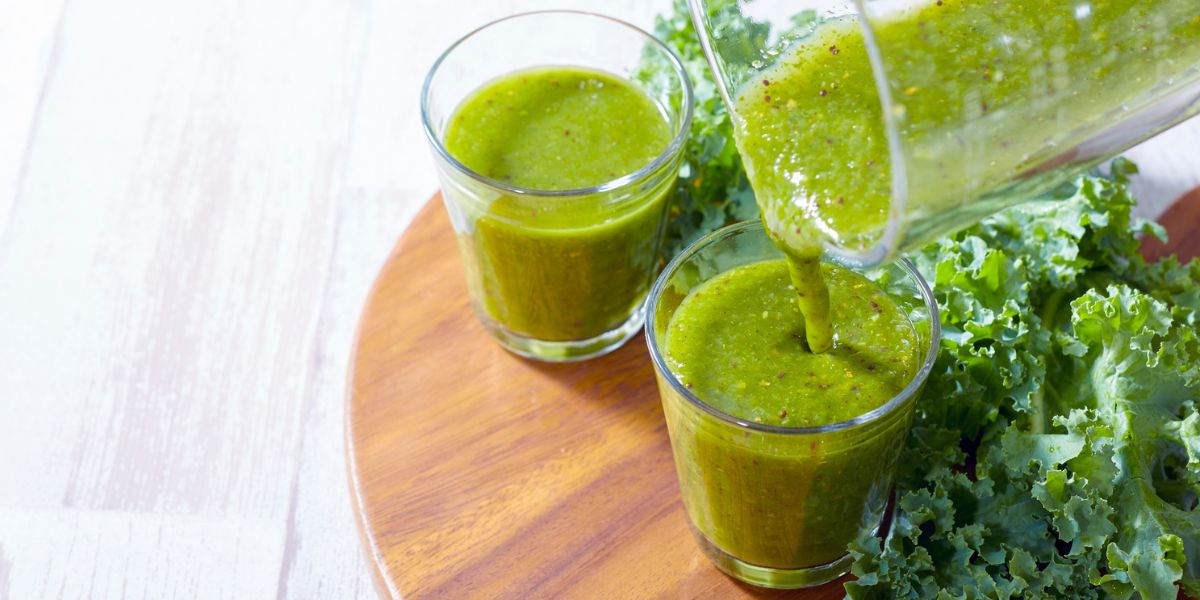
- Breakfast (300kcal): Smoothie: 1 cup methi/kale, ½ cup frozen berries, 1 tbsp almond butter, almond milk.
- Mid-Morning Snack (150kcal): Slivered badam (8-10) + boiled egg half.
- Lunch (450kcal): Palak salad: 2 boiled eggs, almonds, imli dressing.
- Afternoon Snack (100kcal): Mixed berries bowl (½ cup).
- Dinner (400kcal): Soya meatballs in no-sugar tomato gravy over bottle gourd noodles (1 cup).
- Evening Wind-Down (200kcal): Haldi doodh (low-fat).
- Why It Works: Methi's folate cuts deficiencies; soya's plant protein lowers SFA risks-ICMR links 15-20% protein to 40% better outcomes.
Beyond the Plate: Habits for Long-Term Wins
Sustain gains with MoHFW's NPCDCS framework.
- Hydration Essential: 2-3L water flushes toxins; pale urine signals success.
- Activity Integration: 150 min/week moderate exercise (yoga/brisk walk)-burns glucose, aids 5% loss; ICMR IT study shows inactivity triples risk.
- Gradual Weight Loss: 0.5kg/week via portions; 10% drop halves inflammation, per clinical trials.
- Monitoring Tools: Weekly logs; FibroScan every 6 months-80% reversal in early catch.
- Spice Therapy: Daily haldi/ginger-curcumin fights fat, backed by Ayush-MoHFW.
- Sleep and Stress: 7-8 hours; meditation curbs cortisol-driven fat storage.
Conclusion
Non-alcoholic fatty liver disease is reversible, and your plate is the most potent medicine. This 7-day Indian-friendly meal plan, rich in vegetables, dals, millets, lean proteins, and healthy fats, directly tackles liver fat, inflammation, and insulin resistance, as proven by ICMR, AIIMS, and MoHFW-backed studies.
Even a 5–10% weight loss can dramatically reduce liver fat within months. Consistency beats perfection: start with one whole-food meal today, stay hydrated, walk daily, and build lasting habits. You don’t have to do it alone; consult a registered dietitian through NPCDCS clinics for personalised guidance. Your liver can heal. Take the first step now and reclaim your health.
References
1. Prevalence of Non-alcoholic Fatty Liver Disease in India: A Systematic Review and Meta-analysis
https://pmc.ncbi.nlm.nih.gov/articles/PMC9168741/
2. Nutritional Approaches to Achieve Weight Loss in Nonalcoholic Fatty Liver Disease
https://www.sciencedirect.com/science/article/pii/S2161831322007153
Written by

Zanducare
India’s trusted name in Ayurvedic wellness, offering time-tested solutions for today’s health and lifestyle needs. With formulations rooted in classical Ayurvedic texts and crafted using pure natural ingredients, we bring holistic care into your everyday routine.
Research by

%20involves%20excess%20fat%20buildup%20in%20the%20liver,%20often%20linked%20to%20poor%20diet,%20obesity,%20and%20insulin%20resistance,%20prevalent%20in%20India,%20with%209-32%25%20adult%20rates%20per%20MoHFW%20...)
Leave a comment
This site is protected by hCaptcha and the hCaptcha Privacy Policy and Terms of Service apply.