











10 Signs of an Unhealthy Gut: Causes, Symptoms, and Remedies to Fix Them
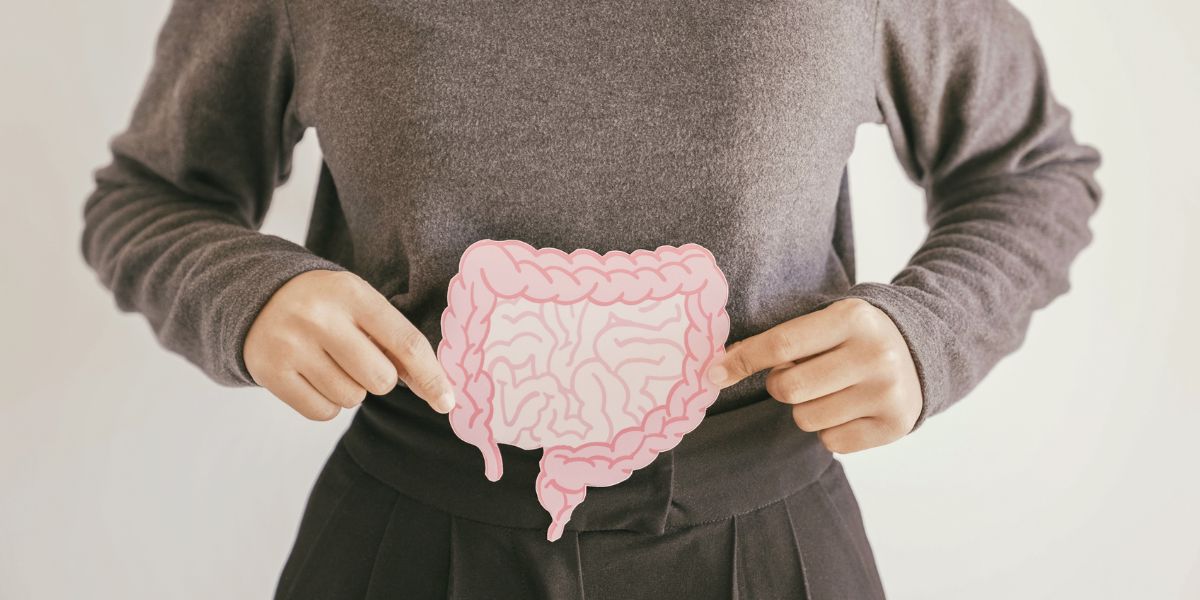
Your gut is often called the “second brain” because it does much more than digest food. It helps your body absorb nutrients, supports immunity, and stays closely linked to your mood, sleep, and energy through the gut–brain connection. When the gut is healthy, you feel lighter after meals, more active throughout the day, and more balanced overall. Small daily habits that improve gut health often support better digestion, steady energy, and smoother nutrient absorption.
But when gut health is disturbed, the signs can show up as bloating, acidity, irregular stools, tiredness, skin flare-ups, cravings, or frequent discomfort after eating. This guide will help you understand when your gut may be struggling, what common causes trigger it, and simple, safe ways to improve it.
What an Unhealthy Gut Can Mean as per Ayurveda
An unhealthy gut usually means digestion isn’t running smoothly or symptoms keep returning, like discomfort after meals, bloating, reflux, or irregular bowel habits. In some people, recurring irritation may also relate to leaky gut patterns, where gut barrier balance becomes affected.
In Ayurveda, it’s commonly explained through 3 lenses:
-
Agni (digestive fire): When weak or disturbed, you may feel heaviness, gas, burning, or an unpredictable appetite.
-
Ama (undigested residue): Often felt as sluggishness, a coated feeling, heaviness, or “stuck” digestion.
- Dosha patterns:
- Vata: dryness, gas, constipation, variable digestion
- Pitta: burning, acidity, loose stools
- Kapha: heaviness, slow digestion, sluggishness
Ayurveda also uses specific terms for digestive disturbance, such as Ajirna (indigestion).
10 Signs of an Unhealthy Gut & What They May Indicate
Below are 10 signs of an unhealthy gut explained in a practical, medical-first way, with an Ayurveda lens that helps.
1. Frequent Bloating or a “Tight” Abdomen After Meals
What you may notice
- Fullness that feels excessive, tightness, or pressure after eating can signal a digestive imbalance. Sometimes this starts right after waking; early morning bloating may reflect late dinners, slow digestion overnight, or fluid imbalance.
- Recurring heaviness after meals often feels like a heavy stomach, especially after large or rushed meals.
What it may be linked with
- Eating too quickly, having late heavy dinners, or eating large portions
- Fibre changes that are too sudden
- Constipation patterns (gas can build when stool transit slows)
- Food sensitivities (not the same as a true allergy)
Ayurveda lens
- Often described as Vata disturbance (gas, movement, dryness) or Ama when heaviness dominates.
What to do next
- Slow eating pace and reduce “rushed meals.”
- During flare-ups: favour simpler, warm, easy-to-digest meals
- If bloating is paired with reduced bowel movements, treat constipation patterns first (see the constipation sign below)
2. Excessive Gas, Frequent Belching, or “Trapped Wind”
What you may notice
- Frequent burps or passing gas that feel uncomfortable
- Crampy relief after passing gas
- Symptoms triggered by certain meal combinations, fried foods, or irregular eating
What it may be linked with
- Meal timing irregularity and overeating after long gaps
- Rapid fibre increase, certain pulses in large portions, or very raw meals
- Constipation (gas with slowed transit)
Ayurveda lens
- Can align with Vata features (movement, irregularity) or Ajeerna when digestion feels weak.
What to do next
- Keep portions steady for a few days, then adjust fibre gradually
- Walk gently after meals when possible
- If gas is persistent with pain, or new and worsening, review with a clinician
3. Reduced Bowel Frequency, Hard Stools, or Straining
Constipation is a classic sign of an unhealthy gut when it becomes a repeating pattern.
What you may notice
- Reduced bowel frequency
- Hard or large stools
- Straining, discomfort, or a sense of incomplete emptying
ICMR’s Standard Treatment Workflow describes constipation using features like decreased frequency and hard stools, and also highlights “red flag” patterns that require medical evaluation.
What it may be linked with
- Low fibre intake or inconsistent hydration
- Sedentary days, travel, irregular routines
- Ignoring the urge due to work constraints (very common in Indian workdays)
Ayurveda lens
- Often aligns with Vata aggravation (dryness, hardness, irregularity). Ama may be considered when there is heaviness and sluggishness.
What to do next
- Build a regular bowel routine (same time daily, no rushing)
- Increase fibre gradually using cooked vegetables and well-tolerated whole foods
- Seek medical advice if you have red-flag features (pain with significant distension, vomiting, bleeding, unexplained weakness, or neurological symptoms)
4. Loose Stools, Urgency, or Recurrent Diarrhoea Episodes
What you may notice
- Loose or watery stools
- Urgency, more frequent stools, dehydration-like fatigue
- Episodes after travel, outside food, or infections
ICMR’s diarrhoea workflow highlights key evaluation points such as duration, blood in stool, vomiting/fever, and signs of dehydration.
What it may be linked with
- Acute infections (food-borne illness)
- Food intolerance patterns
- Stress-related gut sensitivity in some people
Ayurveda lens
- May align with Pitta features when there is burning/heat, or Ama when stools feel foul, sticky, and digestion feels heavy.
What to do next
- Prioritise hydration and simple foods during episodes
- If there is blood in stool, significant dehydration, persistent vomiting, fever, or worsening weakness, seek medical care promptly
5. Alternating Constipation and Loose Stools
What you may notice
- A “swing” between hard stools and loose stools
- Bloating that fluctuates
- Symptoms that flare with stress, travel, or a disrupted routine
What it may be linked with
- Functional gut patterns (gut–brain interaction), food triggers, constipation overflow, or post-infection sensitivity in some people
- Unstable meal timing and inconsistent fibre intake
Ayurveda lens
- Often mapped to Vata irregularity, sometimes combined with Pitta if burning or acidity is prominent.
What to do next
- Stabilise meal timing and fibre intake first (avoid sudden elimination diets)
- Consider clinician guidance if symptoms are persistent, painful, or disruptive
6. Abdominal Pain or Cramping That Repeats
What you may notice
- Cramps that come and go
- Pain linked with bowel movements, gas, or specific foods
- Pain that improves after passing stool or gas (in some cases)
What it may be linked with
- Constipation-related cramps
- Gas trapping and gut sensitivity
- Infections or inflammation (especially if fever/blood occurs)
Ayurveda lens
- Pain with gas and dryness is often discussed under a Vata imbalance. Pain with burning may align more with Pitta.
What to do next
- If pain is severe, persistent, or paired with vomiting, fever, blood in stool, or black stools, do not self-manage; seek medical review (see red flags below).
7. Burning Sensation, Sour Burps, or Upper-Abdominal Discomfort
What you may notice
- Burning in the chest or upper abdomen may relate to reflux. Diet habits, late meals, or excess oil and spice are the causes of acid reflux.
- Sour belching, nausea, “heavy” feeling after meals
- Worse with very spicy/oily foods or late-night meals
- Common acid reflux signs include sour belching, throat irritation, or chest burning.
Ayurveda lens
- Often interpreted as Pitta aggravation when burning dominates. Ajeerna (indigestion) is also used for upper-digestive discomfort patterns.
- For mild recurring discomfort, supportive routines will to reduce heartburn naturally when combined with steady meal timing and lighter dinners.
What to do next
- Simplify dinner and avoid late heavy meals for a period
- If symptoms are frequent, persistent, or affecting sleep, a medical evaluation is sensible
8. Nausea, Early Fullness, or Feeling Heavy After Eating
What you may notice
- You feel full quickly
- Mild nausea after meals
- A “food is sitting” sensation
Ayusoft’s Government of India Ayurveda resource defines Ajeerna as indigestion and describes general measures like warm water and light food during indigestion patterns. When digestion slows, you feel sluggish because nutrients are not processed efficiently.
What it may be linked with
- Irregular meal timing and overeating after long gaps
- Very rich meals when digestion is already sensitive
- Persistent indigestion patterns that may need assessment
Ayurveda lens
- Often discussed as Agni disruption and possible Ama dominance when heaviness is prominent.
What to do next
- Temporarily shift to simpler meals and a calmer meal rhythm
- If nausea is persistent, worsening, or associated with vomiting/weight loss, seek clinical guidance
9. Stool Changes That Feel New or Concerning
What you may notice
- Unusual stool colour, mucus, unusually foul smell, or a clear change from your normal pattern
- Black stools or visible blood (always important)
What it may be linked with
- Infection, bleeding, medication effects, diet changes, or inflammation (varies)
ICMR’s upper GI bleed workflow highlights urgent assessment pathways for bleeding-related presentations.
What to do next
- Blood in stool or black stools warrants prompt medical evaluation rather than home management
10. Yellowing of Eyes or Skin With Digestive Symptoms
This is not “everyday indigestion.” It is a red-flag pattern.
What you may notice
- Yellowing of eyes/skin
- Dark urine, pale stools, itching, or fatigue alongside digestive discomfort
ICMR’s jaundice workflow is designed around evaluation and escalation for jaundice presentations.
What to do next
- Seek medical evaluation promptly, especially if symptoms are new or worsening
Explore our supplements for gut to support digestion and maintain a healthy gut microbiome. They help reduce bloating and discomfort naturally.
Causes and Risk Factors That Commonly Sit Behind These Signs
Many signs of an unhealthy gut share overlapping drivers. In Indian routines, the most frequent patterns clinicians hear include:
- Meal rhythm disruption: Skipped breakfast, rushed lunch, and a heavy late dinner can overload digestion and worsen acidity or bloating.
- Fast eating + distracted eating: Eating quickly, eating while working, or chewing poorly often increases swallowed air and leads to gas and post-meal heaviness.
- Late-night eating + short sleep: Late dinners, screen time, and poor sleep can disturb gut rhythm and make reflux, cravings, and irregular stools more common.
- Low water intake: Low hydration can worsen constipation and make stools harder to pass, especially when fibre is increased suddenly.
- Low movement / long sitting hours: Sedentary days slow gut movement, increasing constipation, bloating, and that “food is stuck” feeling.
- Inconsistent fibre pattern: Long gaps without vegetables/whole foods followed by sudden “fibre loading” can cause gas, cramps, and loose stools.
- Outside food + travel patterns: Oil-heavy, spice-heavy meals, irregular timing, and changes in water can trigger acidity, bloating, and bowel changes.
- Stress + anxious eating: Deadlines, anxiety, and irregular routines can increase gut sensitivity and worsen symptoms even with the same food.
- Medicines that disturb the gut: Beyond antibiotics, frequent painkillers, acidity medicines used long-term, iron tablets, or laxative overuse can irritate the gut or change stool patterns.
- After infections/food poisoning: Some people notice long-term sensitivity, urgency, or bloating starting after a stomach infection.
What to do Next: A Safe, Step-by-Step Plan
This conservative plan is designed to help you reduce symptoms safely while you observe patterns. It is not a substitute for a medical diagnosis.
Step 1: Identify Your Dominant Pattern
Pick the closest match based on what you feel most often:
- Gas + bloating + heaviness (without burning)
- Burning/reflux + sour burps + nausea
- Constipation (hard stools, straining, incomplete emptying)
- Mixed or alternating bowel habits
Optional support (if you want help choosing a focused approach):
- For gas/bloating/heaviness, you may consider ZanduCare Cleanse & Detox Shots.
- For burning/reflux with sour burps, you may consider ZanduCare Acidity & Bloating Tabs.
- For constipation, you may consider ZanduCare Constipation Relief Tabs.
- If symptoms are mixed/overlapping, a ZanduCare Consultation is the safer way to avoid guessing and get guidance based on your pattern.
Step 2: Reset Your Meal Rhythm (Short-Term)
Eat at broadly consistent times, keep dinner lighter than lunch, and avoid eating while working, scrolling, or rushing.
Step 3: Simplify Meals
Choose warm, cooked foods with moderate spice and oil. During flare-ups, avoid heavy mixed combinations in a single meal.
Step 4: Adjust Fibre Gradually (Not Suddenly)
If salads worsen symptoms, prefer cooked vegetables. Make one change at a time and increase fibre slowly.
Step 5: Add Gentle Daily Movement
A short walk after meals is a low-risk habit that supports digestion and bowel-movement flow.
When to seek medical advice: If symptoms are severe, persistent, worsening, or associated with red flags (blood in stool, unexplained weight loss, ongoing vomiting, fever, or significant pain), consult a clinician promptly.
If you want a guided plan: Start with a ZanduCare Consultation, then use the most suitable option (Shots/Tabs) based on your dominant issue.
Diagnosis and Tests (When Relevant)
Tests are not needed for everyone. Doctors usually start with your symptom history, food routine, medicines, and a basic exam, then suggest only the tests that match your pattern or warning signs.
You can also book a Zanducare Consultation for an Ayurveda-led review of your symptoms and routine, and guidance on whether you need tests or an in-person specialist visit. This helps you avoid random testing and focus on the most relevant next step.
Safety Notes and When not to Self-Manage
Avoid self-treatment alone if you have:
- Blood in stool or black stools
- Severe or worsening abdominal pain
- Persistent vomiting, dehydration features, or high fever
- New jaundice-like symptoms (yellowing of eyes/skin)
Conclusion
Signs of poor gut health usually show up as repeating patterns: bloating, gas, constipation, loose stools, abdominal discomfort, burning sensations, or changes in stool that feel “not like you.” Ayurveda interprets many of these patterns through Agni, Ama, and Dosha tendencies, while modern care focuses on symptom patterns, triggers, and red flags.
The safest next step is not an extreme diet. It is a short reset: steady meal timing, simpler cooked foods during flare-ups, gradual fibre changes, hydration, and gentle movement. If symptoms are severe, persistent, or include bleeding or jaundice-like features, seek medical evaluation.
References:
1. The gut-brain axis: interactions between enteric microbiota, central and enteric nervous systems https://pmc.ncbi.nlm.nih.gov/articles/PMC4367209/
2. Pathophysiology, Evaluation, and Treatment of Bloating https://pmc.ncbi.nlm.nih.gov/articles/PMC3264926/

Written by

Zanducare
India’s trusted name in Ayurvedic wellness, offering time-tested solutions for today’s health and lifestyle needs. With formulations rooted in classical Ayurvedic texts and crafted using pure natural ingredients, we bring holistic care into your everyday routine.
Research by



Leave a comment
This site is protected by hCaptcha and the hCaptcha Privacy Policy and Terms of Service apply.